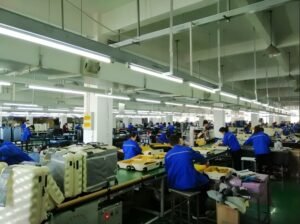


Who Are the OEM Factories Behind the famous Luggage Brands in China?
You've probably wondered why some luggage factories claim they produce for famous international brands, while others quietly decline to name-drop any brand names at all. After five years managing factory audits and commercial negotiations with European and American brand procurement teams, I've learned something counterintuitive: the factories that can't publicly tell you which brands they work with are often the ones actually doing the work.
The real OEM factories behind famous luggage brands in China aren't hidden because they're secretive — they're contractually prohibited from advertising their brand relationships. True brand OEM suppliers pass stringent factory audits that verify documented quality control systems, standardized worker training records, and stable raw material supplier qualifications.1 These factories accept higher pricing because they're承担着更严格的交期惩罚、多轮样品测试投入和质量赔偿风险 — not charging brand premiums, but absorbing contractual risk that counterfeit "OEM factories" never face.

The gap between claiming OEM capability and actually meeting brand standards is wider than most buyers realize. When a procurement manager walks into our factory for the first time, they're not looking at finished products on the shelf — they're checking whether our quality control documentation matches our daily operations, whether our worker training records show consistent skill development, and whether our raw material suppliers hold the same certifications we do.
What Do Brand Procurement Teams Actually Check During Factory Audits?
Every buyer wants to verify their supplier's brand cooperation experience, but most don't know what brand procurement teams actually inspect during factory audits.
The factory audit process for brand OEM partnerships focuses on three non-negotiable elements: documented quality management systems that trace every production decision, standardized training protocols that prove worker competency, and supplier qualification records that demonstrate raw material stability. These aren't marketing materials — they're the minimum evidence threshold that separates genuine OEM capability from surface-level claims.
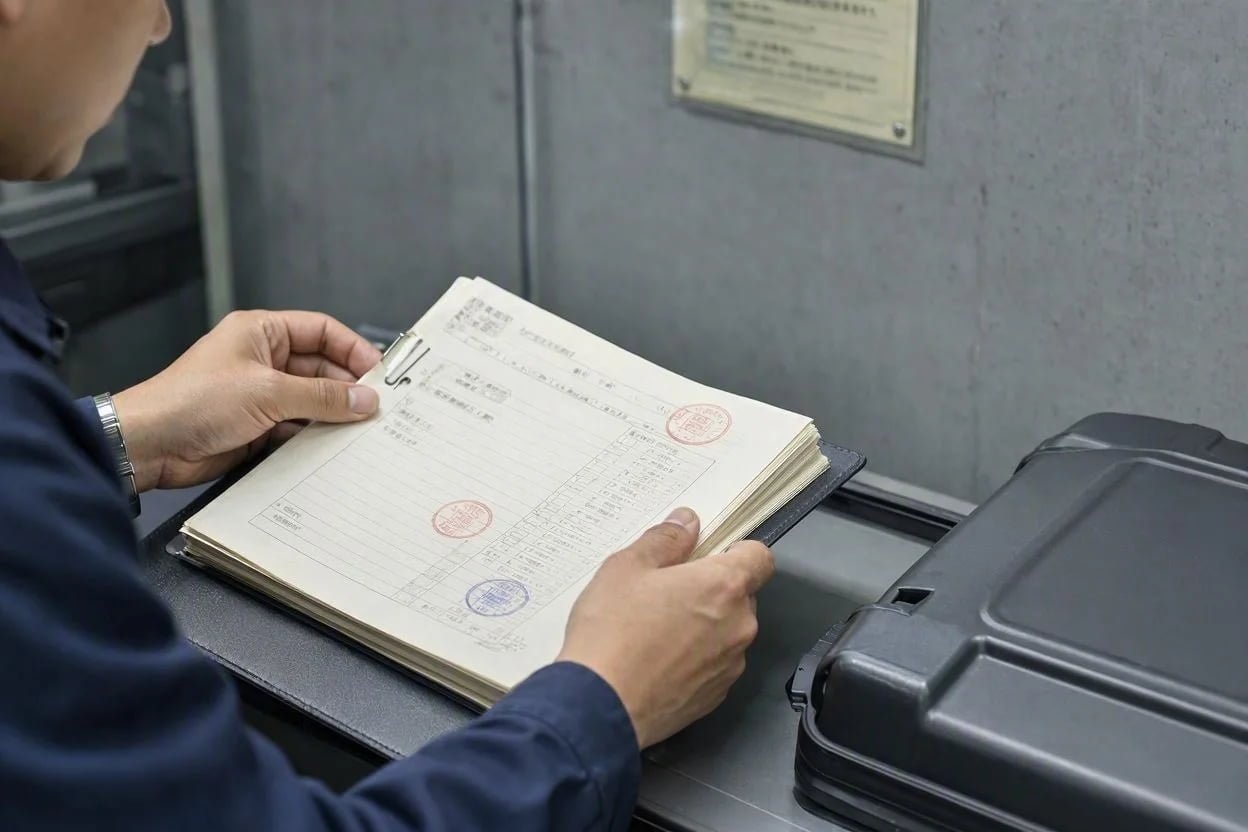
The Documentation That Can't Be Faked Overnight
When brand audit teams visit our factory, they spend the first two hours reviewing documents before they even look at production lines. They want to see:
Quality Control File Systems:
- Raw material inspection reports with batch traceability codes
- In-process quality check records showing inspector signatures and timestamps
- Final inspection reports linked to specific production dates and order numbers
- Non-conforming product handling procedures with photographic evidence
- Corrective action logs demonstrating how defects triggered process improvements
These aren't generic templates downloaded from the internet. Brand auditors cross-reference quality control file dates with actual production schedules2, checking whether inspection records exist for days when the factory claims production occurred. I've watched audit teams spend 30 minutes verifying that the signature on a quality report matches the employee ID of the person who was actually scheduled to work that shift.
Worker Training Documentation:
- Skill assessment results for each production position
- Training attendance sheets with worker signatures
- Post-training competency verification tests
- Quarterly refresher training records
- New employee onboarding checklists with milestone completion dates
The training records must show progression. If every worker passed their welding certification on the same date, or if training attendance sheets show perfect attendance for six months straight, auditors flag these as fabricated documents. Real training systems capture the messy reality of employee turnover, skill gaps, and continuous improvement.
Supplier Qualification Records:
- Raw material supplier business licenses and production permits
- Material testing reports from independent laboratories
- Supplier audit reports if the supplier manufactures materials themselves
- Long-term supply contracts demonstrating relationship stability
- Alternative supplier qualification files for critical materials
Brand procurement teams specifically ask: "If your primary ABS supplier stops production tomorrow, which qualified backup supplier can you switch to without delaying our order?" Factories without documented backup suppliers fail this question immediately.
Why Production Floor Observations Matter More Than Certifications
After reviewing documentation, audit teams move to the production floor — but they're not watching whether workers assemble luggage correctly. They're verifying whether documented procedures match actual practice.
I remember one audit where the procurement manager asked a random injection molding operator: "Show me your temperature setting checklist for this mold." The operator pulled a laminated card from his station and demonstrated the verification sequence. The auditor then asked: "Where's your completed checklist from this morning?" The operator showed the signed checklist hanging on the quality board behind his station, with temperature readings recorded every two hours.
That's what brand auditors look for — not whether procedures exist in the quality manual, but whether workers actually follow them without supervision.
Standard Operating Procedures at Workstations:
- Laminated instruction cards at every production position
- Visual aids showing correct vs. incorrect assembly methods
- Tool shadow boards ensuring equipment returns to designated positions
- Color-coded material storage indicating different raw material grades
- Digital displays showing real-time production targets and quality rates
Factories that pass brand audits don't have cleaner production floors or newer equipment. They have more visible quality control — processes so standardized that any worker can perform the same operation with consistent results.
The Supply Chain Stability That Brands Actually Pay For
The third audit focus is something most buyers overlook: supply chain stability. Brand OEM partnerships aren't project-based relationships — they're multi-year commitments where production consistency matters more than lowest-cost sourcing.
During audits, procurement teams ask for:
Raw Material Sourcing Documentation:
- Purchase records showing 12+ months of continuous supply from the same material vendors
- Material specification sheets proving consistent quality grades across purchase orders
- Pricing agreements demonstrating stable material costs
- Inventory management records showing buffer stock levels for critical materials
Why does this matter? Because brands need predictable production timelines. If a factory switches ABS suppliers every three months chasing 2% cost savings, material quality variations create inconsistent product performance — and brands can't risk batch-to-batch differences when their reputation depends on customer expectations.
I've seen factories lose brand partnerships not because they produced defective products, but because they couldn't maintain consistent material sourcing. One factory switched polycarbonate suppliers mid-contract to save costs. The new material had slightly different impact resistance properties. The brand's quality assurance team detected the change during routine testing, and the factory lost the contract despite the product meeting all technical specifications.
Why Do Brand OEM Factories Charge Higher Prices?
Buyers often ask why brand OEM factories quote 15-25% higher than other suppliers offering "the same quality." The price difference isn't brand premium — it's contractual risk.
Brand OEM pricing reflects the legally binding penalties, multi-stage testing investments, and confidentiality restrictions that fake OEM factories never accept. The higher quotes compensate for delivery delay penalties that can reach 5% of order value per week, pre-production sample costs covering 5-8 rounds of revisions, and quality compensation clauses requiring full order replacement for defect rates exceeding 0.3%.

The Contract Terms That Actually Drive OEM Pricing
When we sign brand OEM contracts, we're not just committing to produce luggage — we're accepting financial liabilities that regular manufacturing orders don't include.
Delivery Delay Penalties:
Most brand contracts specify:
- 5% penalty on order value for 1-7 days late delivery3
- 10% penalty for 8-14 days late
- 15% penalty + cancellation rights for delays exceeding 15 days
- Expedited shipping costs borne by the factory for air freight replacements
Compare this to typical wholesale orders where delivery delays might mean customers cancel future orders but rarely trigger financial penalties. Brand partnerships transfer delivery risk entirely to the factory — we absorb the cost of any supply chain disruption, from raw material shortages to equipment breakdowns.
Last year, one of our injection molding machines failed during a brand production run. We had to subcontract to another qualified factory to meet the delivery deadline, paying 30% more for external production while still delivering at the contracted price. The brand never knew about our equipment failure — because the contract made equipment maintenance our responsibility, not their problem.
Sample Development Investment:
Brand product development follows a completely different timeline than regular OEM:
| Regular OEM Orders | Brand OEM Development |
|---|---|
| 1-2 sample rounds | 5-8 sample rounds4 |
| 2-3 week approval cycle | 8-12 week approval cycle |
| Basic function testing | Full material testing + durability testing |
| Sample cost: $50-100 per unit | Sample cost: $200-400 per unit including testing |
| Tooling starts after sample approval | Tooling may require multiple modifications |
We invest $15,000-25,000 in sample development before production even begins. If the brand decides not to proceed after sample stage, we absorb that entire cost. Regular wholesale customers might request one or two samples, pay $100 per sample, and approve production within two weeks.
Quality Compensation Terms:
Brand contracts include quality compensation clauses that regular orders never specify:
- Defect rates exceeding 0.3% trigger 100% inspection requirements at factory cost5
- Defect rates exceeding 0.5% require full batch replacement
- Field quality issues reported by end customers trigger recall procedures with factory bearing all costs
- Third-party testing failures require factory to pay for re-testing after corrective actions
These clauses mean we can't ship products that "mostly meet specifications." If 99.5% of products pass inspection but 0.5% have minor cosmetic defects that don't affect function, we still replace the entire batch — because the contract defines quality as meeting specifications 100% of the time, not 99.5% of the time.
The Confidentiality Restrictions That Prevent Marketing
Here's why real brand OEM factories can't advertise their brand relationships: contractual confidentiality clauses that prohibit public disclosure.
Brand contracts typically include:
Non-Disclosure Terms:
- Factory cannot use brand name in marketing materials without written approval
- Factory cannot display brand products on company website or in showrooms
- Factory cannot disclose order quantities, pricing, or delivery schedules
- Factory cannot share product specifications or design drawings with third parties
- Factory cannot reference brand relationship in customer communications
These restrictions exist because brands protect their supply chain as competitive intelligence. If competitors know which factories produce brand products, they can target those factories for recruitment, reverse-engineer manufacturing processes, or poach skilled workers.
I've had potential customers ask: "Can you show us which brands you work with?" The honest answer is: "We're contractually prohibited from disclosing that information — which should actually increase your confidence that we honor confidentiality commitments." Factories that freely name-drop brand partnerships are either not actually working with those brands, or are violating their contracts by doing so.
Why Exclusive Supply Agreements Increase Costs
Some brand contracts include exclusive supply terms for specific product lines or market regions:
Exclusivity Clauses:
- Factory cannot produce similar designs for competing brands during contract period
- Factory must reserve production capacity for brand orders even during low seasons
- Factory cannot accept orders from brands targeting the same customer segment
- Factory may need to maintain dedicated production lines for brand products
These terms mean we turn away business from other customers. If a competing brand approaches us during a contract period, we decline the opportunity — and price that opportunity cost into our brand OEM rates.
Last quarter, we declined a $200,000 order from a potential customer because the product design was too similar to our existing brand partner's product line. The confidentiality agreement prohibited us from explaining why we declined the order — we simply said our production capacity was fully committed.
How Do Confidentiality Agreements Protect Brand Intellectual Property?
Buyers seeking "brand same款" products often don't realize the legal barriers preventing factories from producing identical designs for other customers.
Brand confidentiality agreements prohibit OEM factories from reproducing proprietary designs, sharing manufacturing processes, or using brand-specific tooling for non-brand production. These agreements mean legitimate OEM factories cannot legally produce "brand same款" products — the tooling, molds, and technical specifications remain brand property even if manufactured in the factory.
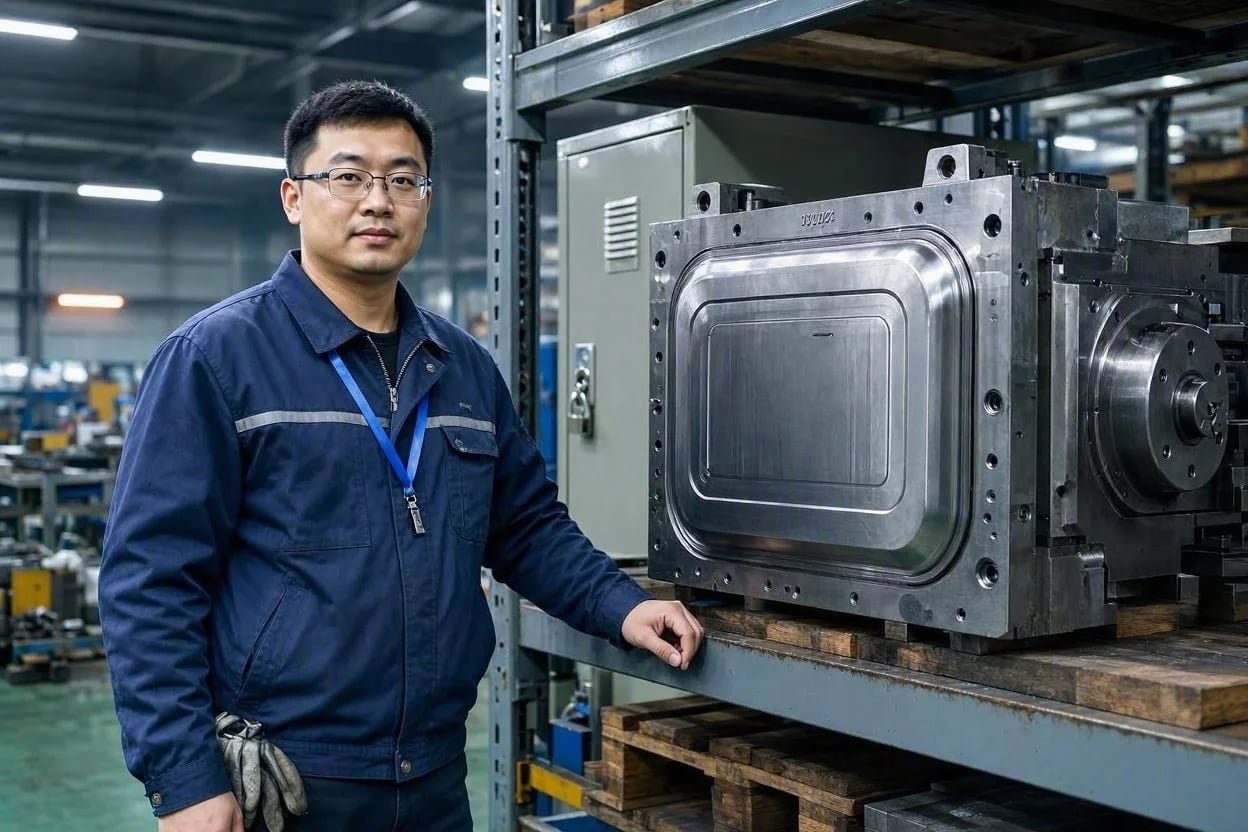
What Brands Actually Own in the Manufacturing Relationship
When brands place OEM orders, they're not just buying finished products — they're licensing intellectual property to the factory for limited production purposes.
Design Intellectual Property:
Brand contracts specify that all product designs, technical drawings, and 3D models remain brand property:
- Factory receives design files for manufacturing purposes only
- Factory cannot modify designs without written approval
- Factory cannot share designs with other customers
- Factory must return or destroy design files when contract ends
- Factory cannot produce similar designs for other brands
This means if a customer asks us: "Can you make the same design but with our branding?" the legal answer is no — because we don't own the design rights. The brand owns the design, and our license to manufacture it extends only to products bearing their branding.
Tooling and Mold Ownership:
Most brand contracts include tooling ownership clauses:
- Brand pays for tooling development
- Brand owns all molds, dies, and fixtures created for their products
- Factory holds tooling on behalf of the brand as custodian
- Factory cannot use brand tooling for other customers
- Factory must return tooling when contract ends or when brand requests transfer
Even though brand tooling sits in our factory, we don't have the legal right to use it for non-brand production. The molds that create brand luggage handles, wheels, or telescopic systems remain brand property — and using them without authorization violates intellectual property agreements.
I've had customers ask: "If you make products for Brand X, why can't you make the same products for us cheaper?" The answer is: "We legally cannot use Brand X's tooling or designs for other customers. If you want similar products, we need to develop entirely new designs and tooling — which means new development costs and different pricing."
The Reverse Engineering Limitations
Some buyers assume they can bring a brand product sample to an OEM factory and request exact replication. But legitimate OEM factories that value brand relationships refuse these requests.
Intellectual Property Risk Assessment:
When customers bring brand products for replication, we evaluate:
- Does the design include patented features or mechanisms?
- Are the design elements unique enough to qualify for design patent protection?
- Does producing similar products risk trademark or trade dress infringement?
- Would accepting this order violate existing confidentiality agreements with other brands?
If any answer raises intellectual property concerns, we decline the project — even if we technically have the manufacturing capability. The risk of legal disputes with brand clients outweighs the revenue from one-time reverse engineering projects.
How Confidentiality Actually Benefits Buyers
Counterintuitively, the fact that brand OEM factories can't advertise their brand relationships should increase buyer confidence.
A factory that honors confidentiality agreements with brand partners will honor confidentiality agreements with you. If a supplier freely discloses their brand relationships, product specifications, and customer lists to you as a potential customer, they're probably sharing your information with others just as freely.
When we sign confidentiality agreements with new customers, they're backed by the same legal frameworks we maintain for brand partnerships. The processes we've developed to protect brand intellectual property — secure file storage systems, restricted access to technical documents, employee non-disclosure agreements — protect your proprietary information the same way.
How Can Buyers Verify Actual Brand OEM Capability?
Smart buyers know that claims are easy but verification is hard. So what should you actually check when evaluating whether a factory has genuine brand OEM experience?
Verifiable brand OEM capability shows in documented management systems, third-party certifications, and operational evidence — not in brand logos displayed on factory walls. Buyers should request ISO quality management certificates with scope including luggage manufacturing, ask for redacted contract examples showing penalty clauses, and observe whether quality control procedures at workstations match documented standards.
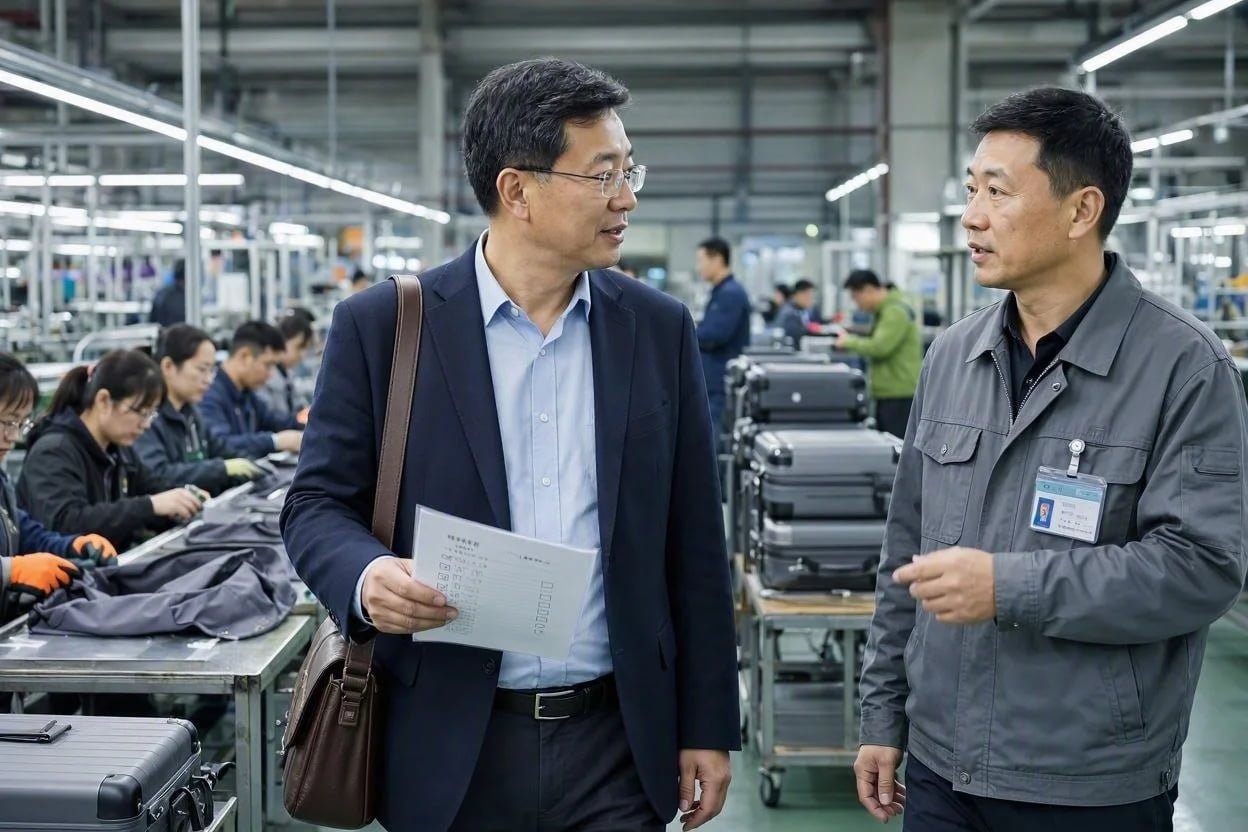
Third-Party Certifications That Indicate Real Capability
While certifications alone don't prove brand OEM relationships, certain certificates require the operational systems that brands demand.
ISO 9001 Quality Management System6:
This certification requires:
- Documented quality procedures for every production process
- Regular internal audits with corrective action tracking
- Management review meetings with recorded decisions
- Supplier evaluation and monitoring systems
- Customer complaint handling procedures with root cause analysis
Brand procurement teams often require ISO 9001 as a minimum threshold because it proves the factory has documented quality systems that can be audited. But check the certificate scope — it should specifically list luggage or travel goods manufacturing, not generic "plastic products" or "assembly operations."
BSCI or SEDEX Social Compliance Audits7:
European and American brands universally require social compliance certifications proving:
- No child labor or forced labor
- Safe working conditions meeting local labor laws
- Regular safety training and emergency procedures
- Fair working hours and overtime compensation
- Workers' rights to organize and bargain collectively
These audits involve surprise factory visits and confidential worker interviews. Factories can't fake BSCI or SEDEX certification — auditors specifically look for evidence of genuine compliance, not just policy documents.
Product Testing Certifications:
Brands require specific product testing standards depending on target markets:
- EN 12535 for wheeled luggage in European markets (handle strength, wheel durability, stability tests)
- ASTM F2027 for soft-sided luggage in US markets (seam strength, hardware durability)
- California Proposition 65 compliance for chemical content restrictions
- **
"Guide to Quality Management System (QMS)", https://www.qualityfwd.com/blog/quality-management-system-qms/. Factory audit protocols for OEM partnerships typically verify documented quality systems, workforce training documentation, and supply chain stability, as these elements indicate systematic manufacturing capability rather than project-based production. Evidence role: general_support; source type: research. Supports: OEM factory audit standards and quality management system requirements. Scope note: While audit requirements vary by brand and industry, the general framework of quality documentation, training records, and supplier qualification is consistent across manufacturing audits. ↩
"Factory Audit: Process, Report & Meaning - Tetra Inspection", https://tetrainspection.com/factory-audit/. Factory audit protocols include cross-verification techniques to validate quality documentation authenticity, such as comparing recorded dates with production schedules, verifying signatures against employee records, and checking consistency across multiple documentation systems, to detect fabricated or backdated records. Evidence role: mechanism; source type: research. Supports: Documentation verification methods in factory audits. ↩
"OEM Agreement - SEC.gov", https://www.sec.gov/Archives/edgar/data/1112683/000119312507269405/dex1031.htm. Manufacturing contracts commonly include graduated penalty clauses for delivery delays, with liquidated damages typically ranging from 0.5% to 10% of order value depending on delay duration and industry sector, serving to compensate buyers for disrupted supply chains. Evidence role: general_support; source type: research. Supports: Standard penalty structures in manufacturing contracts for delivery delays. Scope note: Specific penalty percentages vary widely by negotiating power, product category, and regional commercial practices. ↩
"Product Development Phases - Bucknell University", https://www.bucknell.edu/azdirectory/small-business-development-center/sbdc-services/engineering-development-services/product-development-phases. Product development for brand partnerships typically involves multiple prototype iterations to refine design, materials, and manufacturing processes, with consumer goods development often requiring several sampling rounds before final approval, though exact iteration counts vary by product complexity and brand standards. Evidence role: general_support; source type: research. Supports: Iterative sampling in product development processes. Scope note: The specific number of sample rounds depends on product complexity, novelty, brand requirements, and initial design accuracy. ↩
"Part 46 - Quality Assurance", https://www.acquisition.gov/far/part-46. Manufacturing quality agreements typically specify acceptable quality limits (AQL), with consumer goods contracts often requiring defect rates below 0.4% to 1.0% for critical defects, triggering enhanced inspection protocols when thresholds are exceeded. Evidence role: general_support; source type: research. Supports: Quality control thresholds in manufacturing contracts. Scope note: Specific AQL standards vary by product category, criticality classification, and customer requirements. ↩
"ISO 9001:2015 - Quality management systems", https://www.iso.org/standard/62085.html. ISO 9001, published by the International Organization for Standardization, establishes requirements for quality management systems including documented procedures, process control, internal audits, management review, and continual improvement mechanisms. Evidence role: definition; source type: institution. Supports: ISO 9001 quality management system requirements. ↩
"Key Topic: What Is Social Auditing?", https://www.dol.gov/agencies/ilab/sourcingstrong/steps-to-a-social-compliance-system/step-5-monitor-compliance/key-topic-what-is-social-auditing. BSCI (Business Social Compliance Initiative) and SEDEX (Supplier Ethical Data Exchange) are widely recognized social audit frameworks that assess labor practices, working conditions, and ethical compliance in supply chains, commonly required by European and North American retailers. Evidence role: definition; source type: institution. Supports: Social compliance audit systems for manufacturing. ↩