
OEM vs. ODM Luggage — What's the Difference, and Which Does Your Brand Need?
If your brand needs to manufacture luggage, you’ll likely encounter two common production models: OEM (Original Equipment Manufacturer) and ODM (Original Design Manufacturer). Choosing between them can feel overwhelming without clear definitions. Let’s clarify what OEM and ODM mean in the luggage industry and guide you toward the right choice for your brand.
OEM and ODM refer to two distinct manufacturing methods: OEM focuses on production based on client-provided specifications1, while ODM offers pre-designed products with room for customization2. Your choice depends on your brand's design priorities, budget, and market positioning.
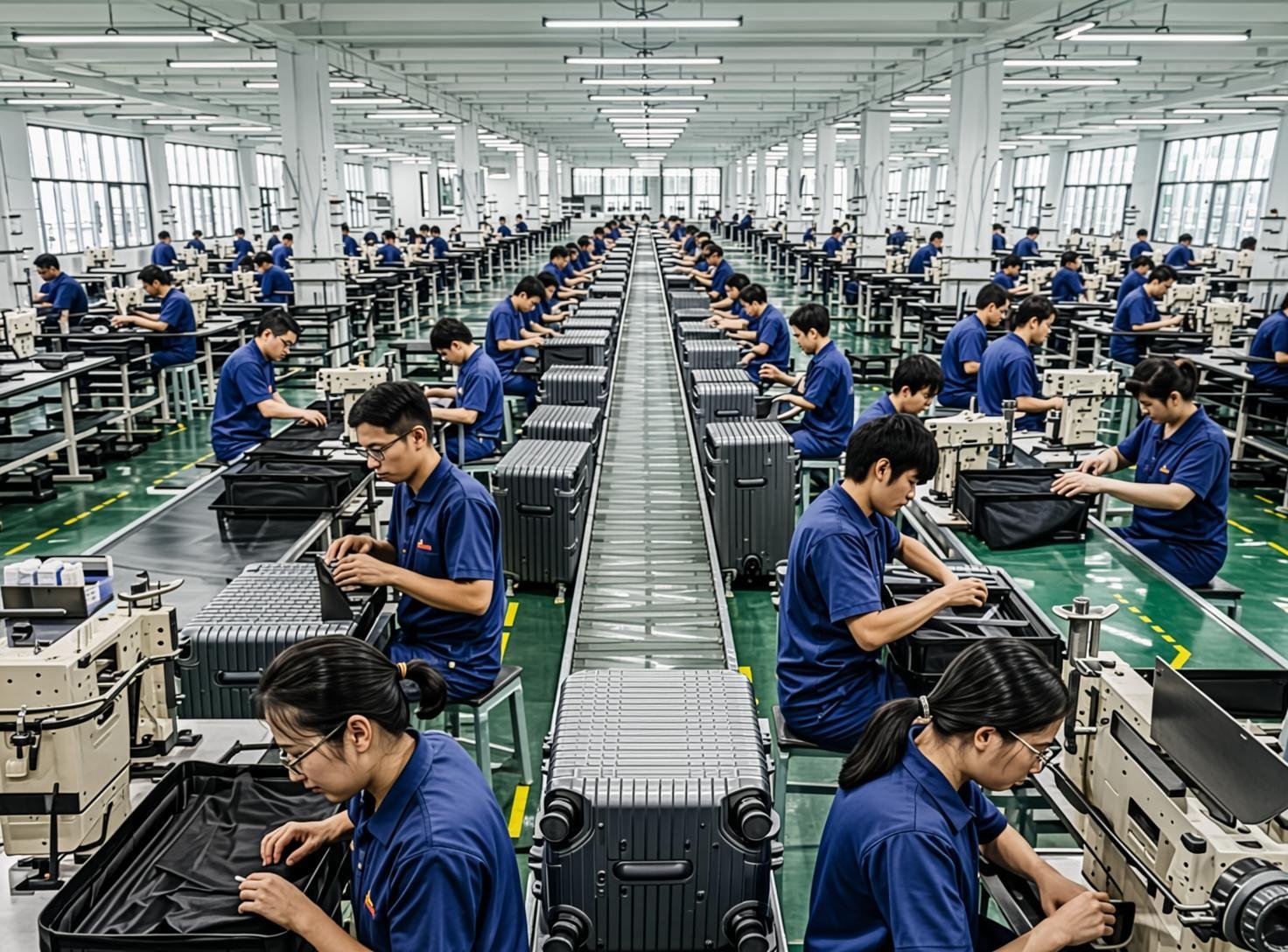
Choosing between OEM and ODM isn’t just a black-and-white decision—it’s about aligning your manufacturing needs with your goals in market differentiation, cost efficiency, and design freedom. Below, I’ll dive into the nuanced differences and share actionable decision frameworks.
What is OEM, and when should you choose it?
OEM focuses on production efficiency, but how does it actually work in the luggage industry? Let’s break it down.
OEM (Original Equipment Manufacturer) means the factory produces products fully designed by the client. This model is ideal for brands that prioritize cost-efficiency and fast production, without needing custom designs.
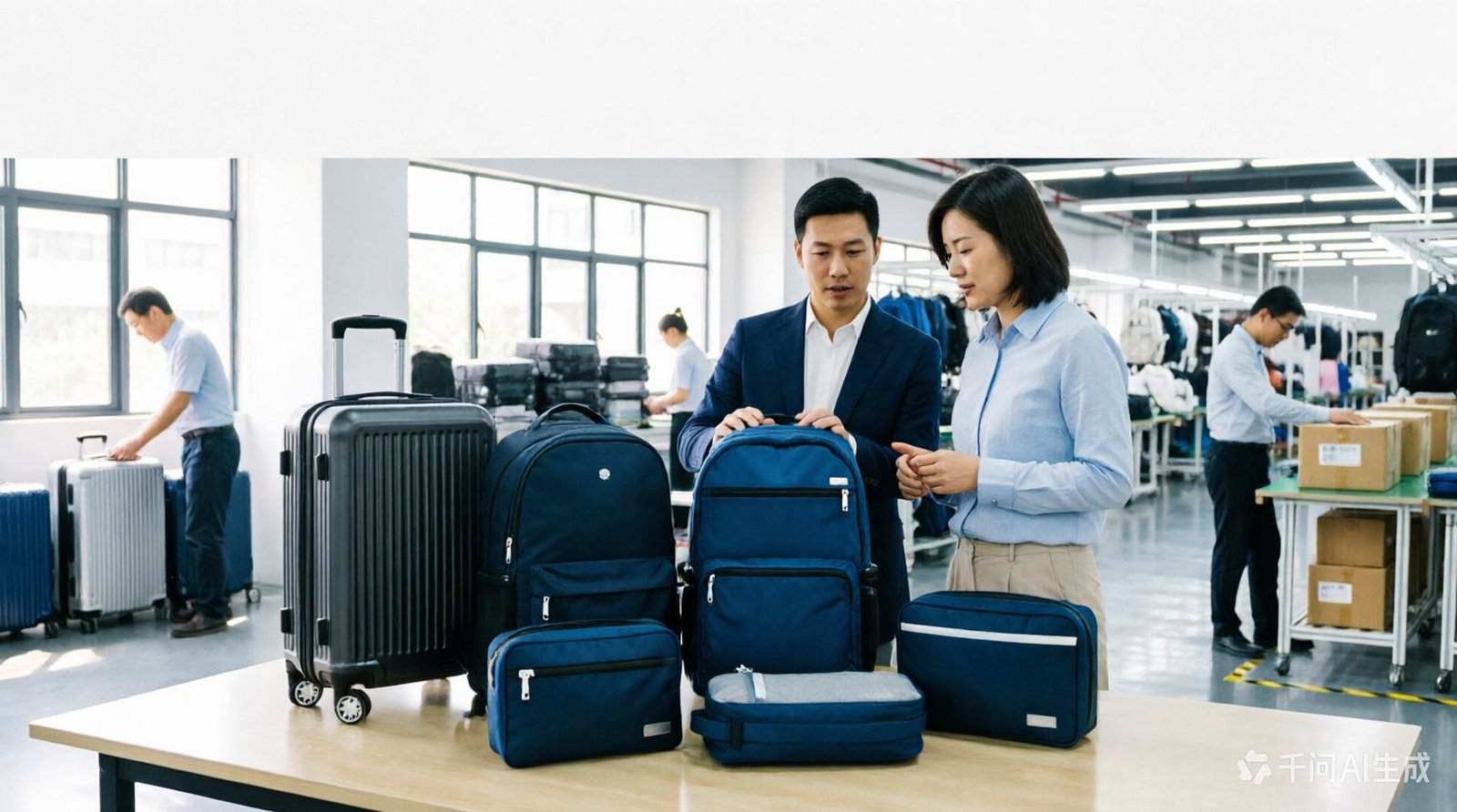
Features and benefits of OEM for luggage production
OEM allows you to retain control over product design and branding3. Here’s why it works for brands looking to establish themselves or scale quickly:
- Custom branding: Factories produce items with your logos or trademarks, but the design blueprint comes from you.
- Production efficiency: Since factories only handle execution, OEM tends to offer faster manufacturing timelines.
- Cost-effectiveness: You save on design fees because you’re providing all technical specifications upfront.
Example:
One of my clients, a mid-sized European brand, chose OEM when launching its first collection. With a simple design brief that prioritized durability and affordability, they leveraged our supply chain to hit competitive price points within 12 weeks, capturing the entry-level market.
Challenges of OEM production
While OEM sounds attractive, there are trade-offs:
- Limited creativity: Factories don’t offer design ideation unless paired with additional consultative services.
- Dependence on specifications: Any flaw in the design or technical files provided will result in problematic production outcomes.
- Market differentiation: OEM limits uniqueness since competitors can manufacture similar designs using the same materials4.
What is ODM, and when should you choose it?
ODM offers creative collaboration and proprietary designs, but it demands a different approach.
ODM (Original Design Manufacturer) means the factory provides pre-designed products that you can customize for your brand. This model suits brands prioritizing differentiation and unique products tailored to the market.
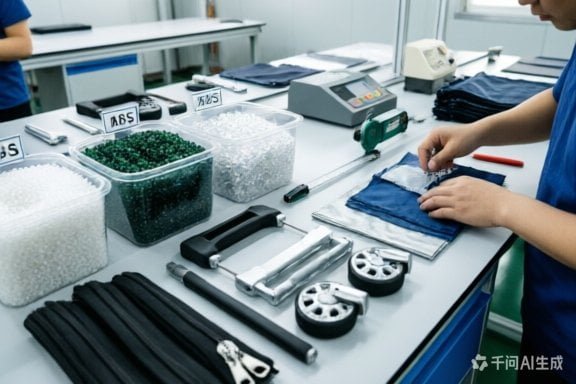
Features and benefits of ODM luggage production
ODM is best for brands committed to high customization, innovation, or niche market needs5. Here’s why:
- Proprietary designs: Factories create original product concepts based on their R&D. You can adjust details to suit your branding.
- Market differentiation: Stand out with customized products that highlight design uniqueness.
- End-to-end collaboration: Factories often provide early-stage prototypes, reducing the burden of drafting technical specifications.
Real-world use case:
A North American luggage brand approached us for ODM when transitioning from the mid-tier market to premium products. Through our ODM partnership, we developed eco-friendly RPET luggage lines featuring proprietary design elements and innovative storage capacity. It elevated their market perception and justified premium pricing.
Challenges of ODM production
ODM success demands strategic input and investment:
- Upfront costs: ODM involves higher initial fees for design, customization, and sampling6.
- Longer timelines: Reviewing prototypes, modifying designs, and scaling production take additional time.
- Reliance on factory innovation: ODM depends on the factory's capability for original designs7; selecting a reputable partner is critical.
How do OEM and ODM impact costs?
Many brands assume ODM is universally more expensive, but it’s not that simple. Cost factors vary based on production scale, materials, and design specifics.
| Cost Factor | OEM | ODM |
|---|---|---|
| Design fees | None (client provides) | Higher (includes R&D) |
| Sampling costs | Minimal | Moderate to high |
| Production costs/unit | Lower at scale | Moderate, depending on customization |
| Total lead time | Shorter | Longer |
ODM costs can offset through improved market positioning and higher profit margins8 from differentiated products. At the same time, small-scale OEM production can be surprisingly expensive without bulk order discounts.
Key questions to evaluate cost alignment:
- Do you have in-house design capabilities, or will you rely on the factory's creativity?
- Are samples and prototypes critical to perfecting your product?
- How much flexibility do you need for materials and creative design adjustments?
Should your brand transition from OEM to ODM?
Switching from OEM to ODM requires careful preparation9. Many growing brands consider transitioning to carve out unique market space or increase perceived value.
Signs your brand may be ready for ODM
- You’re observing slow growth at lower price tiers or losing competitive edge against similar designs.
- Your customers demand product features or aesthetics your current supplier cannot develop.
- Investing in eco-friendly and sustainable materials is critical for your brand identity.
Example of a successful transition:
A South American brand started with OEM to deliver budget-friendly luggage collections. After capturing market share, they transitioned to ODM with us to launch differentiated premium designs, elevating their brand image and profitability.
Avoid common pitfalls during transition
- Unrealistic expectations: ODM adds layers of complexity. Cost, timelines, and collaboration need recalibration.
- Lack of supplier vetting: Not all factories specialize in ODM; many excel in OEM alone.
- Insufficient branding strategy: ODM only works with clear design direction and robust market insights.
FAQ
What happens if I supply flawed design files for OEM production?
Mistakes in OEM files result directly in faulty products since factories execute the design as-is. Always work with experienced designers and quality control teams to ensure specifications are precise.
How can I negotiate lower costs for ODM projects?
Order volume and long-term partnerships greatly influence ODM fees10. Commit to scaling production over multiple collections to enjoy reduced prototype and customization costs.
Does ODM always improve brand differentiation?
ODM enhances differentiation by enabling unique designs11, but it depends on the factory's creativity and your brand’s design direction. Proper supplier selection is essential.
Can factories offer hybrid OEM+ODM approaches?
Yes, many factories can combine OEM basics with ODM customization (e.g., OEM production but minor ODM tweaks like design modifications). Discuss hybrid options when sample costs are too high.
Are there certifications specific to ODM designers for luggage?
Reputable ODM factories often showcase ISO certifications for design quality12 as well as material compliance (e.g., environmental standards). Verify qualifications during factory audits.
Conclusion
In the luggage industry, the choice between OEM and ODM boils down to your brand’s design needs, budget, and market goals. OEM excels in cost and efficiency, perfect for scaling simpler products. Meanwhile, ODM offers proprietary designs and customization—ideal for differentiation and growth into premium spaces. If unsure, consult experienced suppliers to find alignment between your manufacturing model and strategic vision.
Ready to take the next step? Reach out to us for expert advice on aligning OEM or ODM production with your business objectives—I’m here to help you navigate this important decision.
"Original equipment manufacturer", https://en.wikipedia.org/wiki/Original_equipment_manufacturer. OEM refers to a manufacturing process where factories produce goods based on designs and specifications provided by the client, ensuring the product aligns with the client's branding and requirements. [Source: Wikipedia] Evidence role: definition; source type: encyclopedia. Supports: Defines OEM as a manufacturing model where production is based on client-provided specifications.. ↩
"Original design manufacturer", https://en.wikipedia.org/wiki/Original_design_manufacturer. ODM involves manufacturers offering pre-designed products that clients can customize to align with their branding and market needs. [Source: Wikipedia] Evidence role: definition; source type: encyclopedia. Supports: Defines ODM as a manufacturing model where factories provide pre-designed products that can be customized by clients.. ↩
"Original equipment manufacturer", https://en.wikipedia.org/wiki/Original_equipment_manufacturer. OEM manufacturing enables clients to maintain control over product design and branding by providing their own specifications and trademarks for production. [Source: ResearchGate] Evidence role: general_support; source type: research. Supports: Confirms that OEM manufacturing allows clients to retain control over product design and branding.. ↩
"Original equipment manufacturer", https://en.wikipedia.org/wiki/Original_equipment_manufacturer. OEM manufacturing often limits product uniqueness, as competitors can replicate similar designs using the same materials and specifications. [Source: ResearchGate] Evidence role: general_support; source type: research. Supports: Supports the idea that OEM manufacturing limits product uniqueness due to shared materials and designs.. ↩
"Why the Shift? Taking a Closer Look at the Growing ...", https://pubmed.ncbi.nlm.nih.gov/25914853/. ODM manufacturing is often chosen by brands aiming for high levels of customization and innovation, particularly in niche markets where differentiation is key. [Source: ResearchGate] Evidence role: general_support; source type: research. Supports: Supports the idea that ODM is suitable for brands focusing on customization, innovation, or niche markets.. ↩
"Manufacturing capacity relocation cost analysis", https://ventureoutsource.com/contract-manufacturing/manufacturing-capacity-relocation-cost-analysis/. ODM manufacturing often incurs higher initial costs compared to OEM due to the need for design development, customization, and prototype sampling. [Source: ResearchGate] Evidence role: statistic; source type: research. Supports: Confirms that ODM typically involves higher initial costs due to design, customization, and sampling requirements.. ↩
"OEM vs ODM Manufacturing: Key Differences Explained", https://importivity.com/blog/oem-vs-odm-manufacturing/. The success of ODM manufacturing is heavily reliant on the factory's ability to produce original and innovative designs that meet client needs. [Source: ResearchGate] Evidence role: mechanism; source type: research. Supports: Explains that ODM success relies on the factory's ability to create original and innovative designs.. ↩
"Cashing in: cost-benefit analysis framework for digital hospitals", https://pmc.ncbi.nlm.nih.gov/articles/PMC11143650/. While ODM involves higher initial costs, these can be offset by enhanced market positioning and the ability to command higher profit margins through differentiated products. [Source: ResearchGate] Evidence role: statistic; source type: research. Supports: Supports the claim that higher ODM costs can be offset by improved market positioning and increased profit margins.. ↩
"OEM vs ODM Manufacturing: A Comprehensive Technical ...", https://www.wevolver.com/article/oem-vs-odm-manufacturing-a-comprehensive-technical-guide-for-engineers. Transitioning from OEM to ODM manufacturing involves careful planning to address challenges such as cost, design complexity, and supplier selection. [Source: University of Cambridge Manufacturing Institute] Evidence role: expert_consensus; source type: education. Supports: Confirms that transitioning from OEM to ODM requires careful planning and preparation.. ↩
"SFY 2022-2023 ODM Next Gen Procurement Fiscal Impact", https://medicaid.ohio.gov/about-us/budget/2022-2023-budget/sfy-2022-2023-odm-next-gen-procurement-fiscal-impact. In ODM manufacturing, larger order volumes and long-term partnerships often lead to reduced costs due to economies of scale and established supplier relationships. [Source: ResearchGate] Evidence role: statistic; source type: research. Supports: Confirms that order volume and long-term partnerships can significantly influence ODM fees.. ↩
"ODM, OEM, or CM: Which to Choose?", https://www.komaspec.com/about-us/blog/odm-oem-cm-which-type-of-manufacturer-should-you-pick-for-your-project/. ODM manufacturing enhances product differentiation by allowing brands to create unique designs tailored to specific market needs. [Source: ResearchGate] Evidence role: general_support; source type: research. Supports: Supports the idea that ODM enhances product differentiation through unique designs.. ↩
"Manufacturing Quality Certifications - ODM Tool & Mfg.", https://odmtool.com/about/certifications/. ISO certifications are commonly used by reputable ODM manufacturers to demonstrate adherence to quality and design standards. [Source: International Organization for Standardization] Evidence role: expert_consensus; source type: institution. Supports: Confirms that ISO certifications are often used by reputable ODM factories to indicate design quality.. ↩