

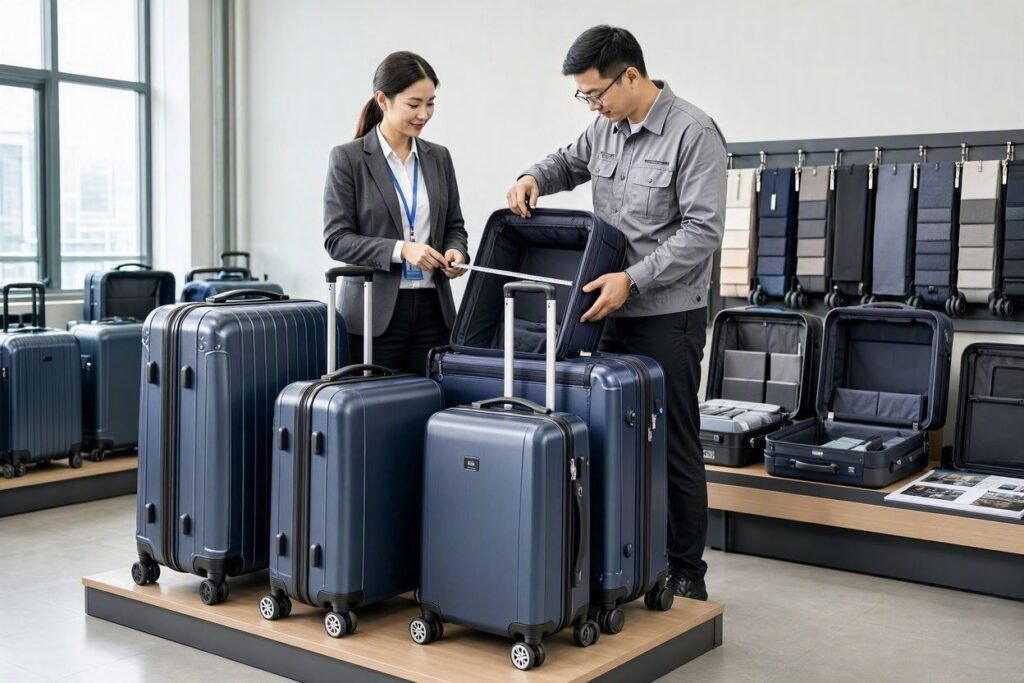
What Luggage Sizes Should Your Product Line Actually Offer?
Choosing the right luggage sizes for your product line is more than just picking popular options—it's a strategic decision influenced by global market demand, regional preferences, and travel restrictions. Identifying the optimal sizing strategy can attract diverse buyers while building long-term customer loyalty. Let’s explore how to make informed decisions that fit your market.
An ideal luggage product line balances functionality, design appeal, and regional demands. Offering sizes based on real-world travel behavior and market-specific needs fuels buyer satisfaction and sales growth.

A successful luggage sizing strategy demands context. Why do some buyers prefer compact carry-ons while others gravitate toward oversized checked luggage? Below, we delve into actionable insights for manufacturers, distributors, and retail chains.
Why do different buyers prioritize different luggage sizes?
Travel needs constantly evolve, influenced by trip types, storage limitations, and transportation norms.1 For luggage suppliers, not accounting for buyer diversity risks alienating key customers.
Different buyers prioritize luggage sizes based on their niche markets or organizational goals. Business travelers need compact options, while leisure tourists often prefer larger checked luggage for longer trips.

Buyers serving business travelers demand streamlined luggage sizes, often prioritizing carry-on products that fit major airline overhead compartments. Conversely, leisure-oriented distributors lean toward larger checked options to meet customer expectations for extended trips or family vacations. Consider these customer segments:
H3: Business travelers
- Preference: 18–22-inch carry-ons
- Key needs: Portability, compliance with international airline regulations, durability for frequent use
H3: Leisure travelers
- Preference: 24–30-inch checked luggage
- Key needs: Packing space for longer trips, style considerations for family or holiday travel
Regional specifics
In Latin America, buyers might lean toward compact luggage due to transportation constraints, while in the Middle East larger sizes may better suit storage expectations at destination points.
How do airline regulations influence luggage size demand?
Airline luggage restrictions are critical in shaping buyer preferences, yet they vary significantly between regions and carriers. Missteps in addressing compliance can frustrate end customers or limit your product appeal.
Global airline regulations affect the practicality of certain luggage sizes. For instance, US flights often accept larger carry-on dimensions than European budget airlines2.
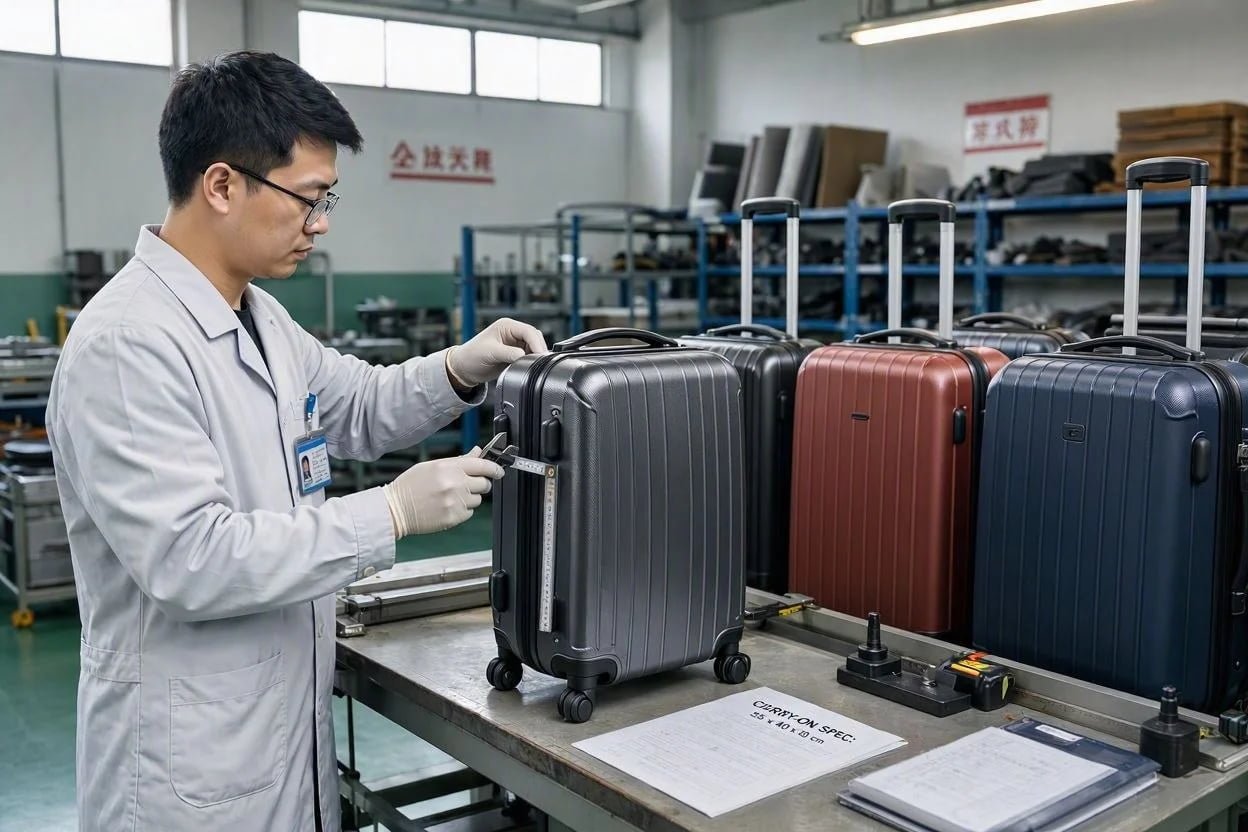
Here’s how regional airline specifications impact luggage sizing strategies:
| Region | Carry-On Size Limits | Checked Luggage Limit | Popular Buyer Preferences |
|---|---|---|---|
| North America | ~22” x 14” x 9” | Up to 50 lbs (~28-30 inches)3 | Balanced; carry-on and checked luggage |
| Europe (budget carriers) | ~21” x 13” x 8” | Lower weight (~44 lbs maximum)4 | Compact sizes dominate |
| Middle East and Asia | Moderate size variation based on carriers | Heavy weight and larger dimensions | Big checked luggage in demand |
For buyers catering to diverse audiences, offering products compliant with popular carrier standards within target regions aligns your line with real-world travel demands.
What regional trends should inform your product sizing strategy?
Travel styles vary widely depending on regional culture and infrastructure. Buyers targeting global customers benefit from tailoring luggage options to these unique habits.
Regional travel habits influence luggage size preferences. Buyers in Latin America often prefer compact models5, while distributors eyeing EU market-entry focus on European practicality.
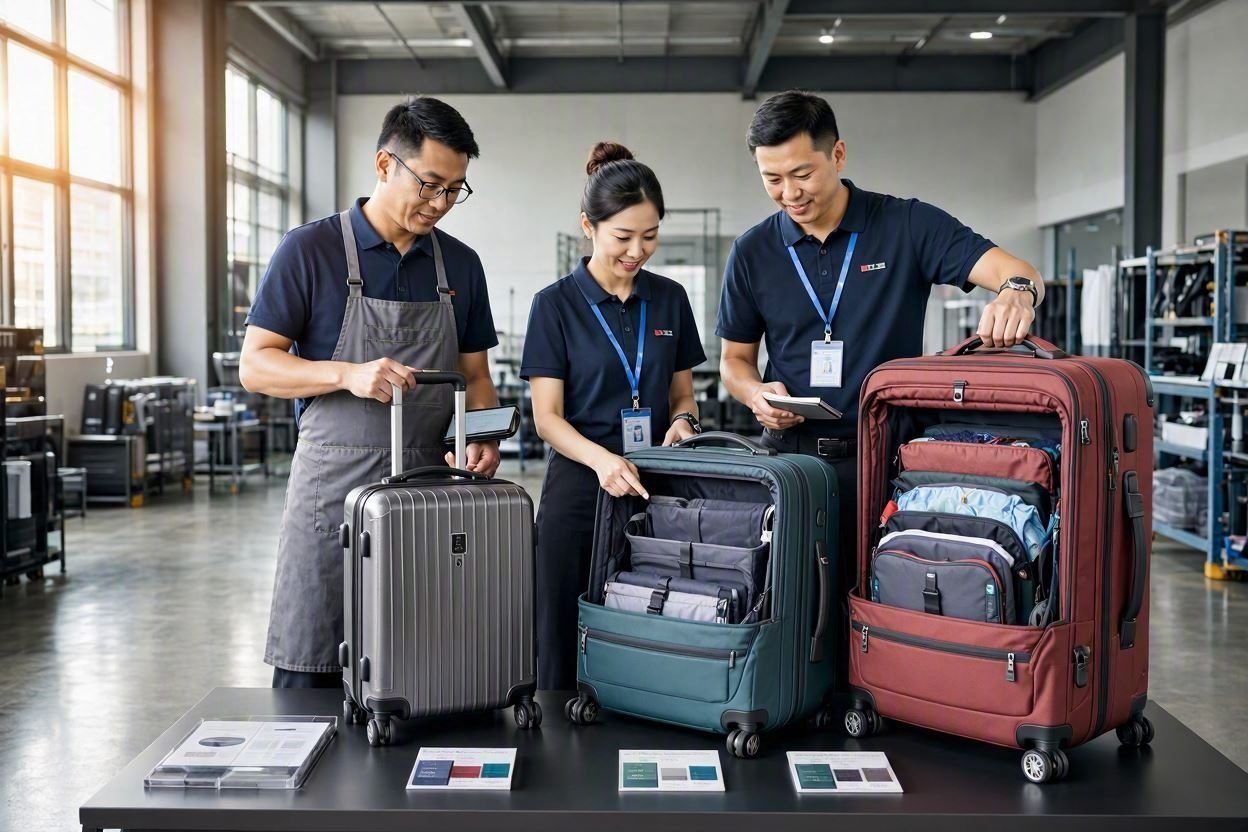
Dive deeper into regional preferences:
- Latin America: Compact carry-ons dominate due to dense urban transportation networks that favor portability and smaller storage spaces6.
- Middle East: Larger, elaborate luggage aligns with cultural norms for extended family visits and ceremonious travel7.
- Europe: Practical carry-ons with streamlined design prevail for short business trips, intercity rail travel, or low-cost airlines8.
- America: Balanced demand for compact carry-ons and oversized checked luggage reflects diverse travel needs and longer vacation durations9.
How can you align sizing options with buyer profiles?
Not all buyers fit a single mold. Importers, retailers, and niche travel brands prioritize sizes differently, depending on overhead costs, customer segmentation, and marketing goals.
Align luggage sizing with buyer profiles by combining modular product options, customized designs, and marketing insights into traveler behavior.
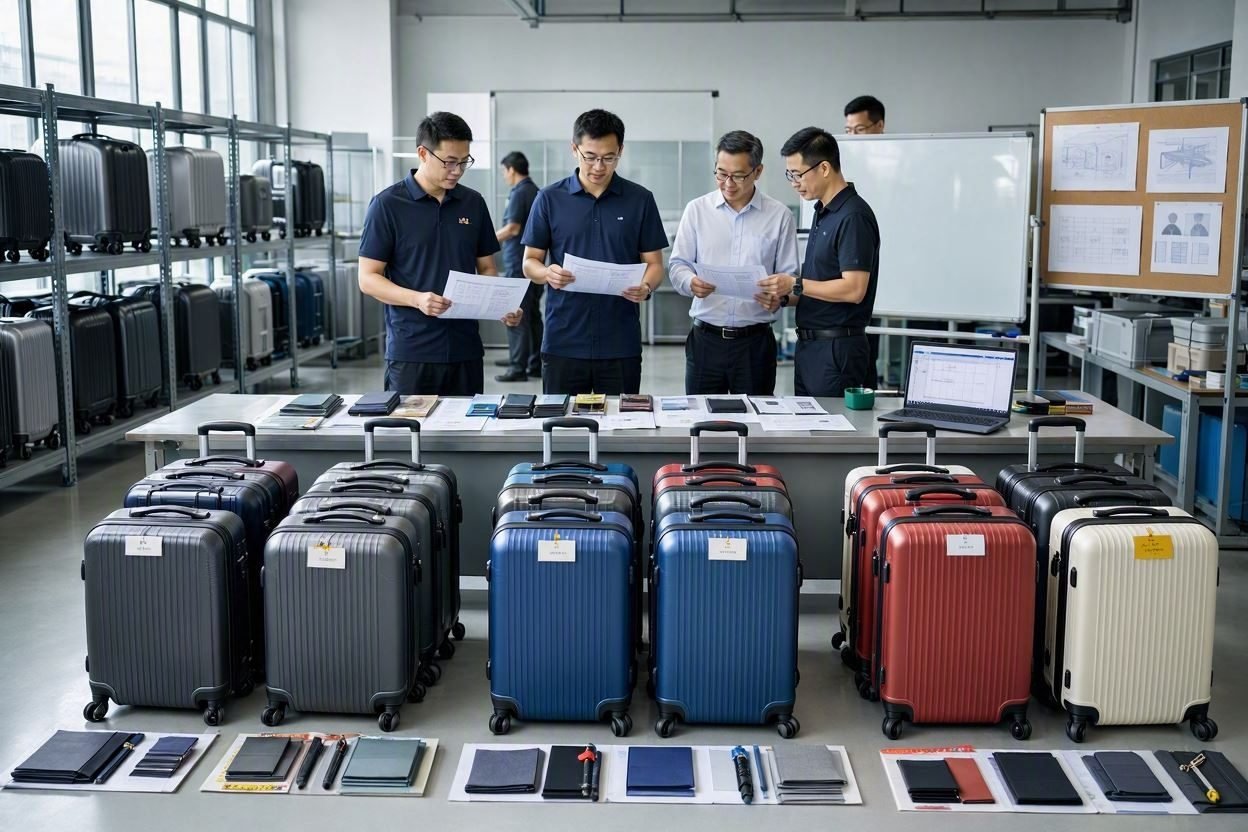
Tips for segmentation-based sizing strategy:
- Bulk importers: Focus on universal, high-demand sizes like 20-25 inches—efficient to ship and market internationally.
- Retail chains: Offer size combinations catering to seasonal trends (e.g., compact sizes for business quarters, oversized options for summer or holiday seasons).
- Boutique brands: Lean into niche designs or materials (such as RPET or custom compact luggage) for environmentally conscious buyers.
Balancing these options helps target different customer types while maximizing product reach.
Frequently Asked Questions
How do I ensure my suitcase sizes align with airline regulations?
Research major carriers in your target market. Focus on commonly accepted sizes such as US domestic carry-ons (22” x 14” x 9”) or budget airline preferences in Europe (~21” x 13” x 8”). Use these benchmarks to guide production and marketing.
Should I prioritize carry-on or checked luggage for international buyers?
Balance both. Carry-ons appeal to frequent travelers, while checked luggage attracts leisure customers. Segments vary by region, so weigh preferences based on local needs and infrastructure.
How can luggage sizing account for environmental trends?
Focus on eco-friendly materials like RPET or compact designs that reduce weight and waste10. Highlight your commitment to sustainability in product development and marketing efforts.
Conclusion
Offering the right luggage size mix is about more than meeting basic travel needs—it’s about connecting with regional travel habits, airline standards, and customer segmentation. By tailoring your product line to reflect market-specific preferences, you create greater appeal for international buyers while building loyalty. Whether you're targeting bulk imports, retail chains, or niche brands, sizing plays a pivotal role in successful buyer retention and sales growth.
Ready to refine your product line for global markets? Reach out today to explore strategic options!
"Revisiting factors influencing consumer travel for purchasing ...", https://pmc.ncbi.nlm.nih.gov/articles/PMC11574177/. Travel industry research indicates that trip duration, transportation mode, and storage constraints are primary factors influencing luggage selection among consumers. Evidence role: general_support; source type: research. Supports: Research on consumer travel behavior and luggage purchasing factors. Scope note: Studies may focus on specific markets or demographics rather than universal travel behavior ↩
"Passenger Baggage Rules", https://www.iata.org/en/programs/ops-infra/baggage/passenger-baggage-rules/. International Air Transport Association (IATA) guidelines show that North American carriers typically allow carry-on dimensions up to 22 x 14 x 9 inches, while European low-cost carriers often restrict dimensions to approximately 21 x 13 x 8 inches or smaller. Evidence role: statistic; source type: institution. Supports: Comparative data on carry-on size allowances between US and European carriers. Scope note: Individual airline policies may vary from regional standards, and regulations change periodically ↩
"Checked Luggage Sizes, Weight Limits and Airline Fees", https://travel.usnews.com/features/checked-luggage-sizes-by-airline. Most North American airlines set standard checked baggage weight limits at 50 pounds (23 kg) for economy class passengers, with linear dimension limits typically around 62 inches total. Evidence role: statistic; source type: institution. Supports: Standard weight limits for checked baggage on North American carriers. Scope note: Weight and size limits vary by airline, fare class, and frequent flyer status ↩
"European airlines with restrictive weight limits?", https://www.facebook.com/groups/RickStevesEurope/posts/1923455418370072/. European budget airlines typically impose checked baggage weight limits of 20 kg (44 lbs) or less, often with additional fees for heavier bags, reflecting their cost-minimization business model. Evidence role: statistic; source type: institution. Supports: Checked baggage weight policies of European low-cost carriers. Scope note: Weight limits vary significantly among European low-cost carriers and may depend on fare type and route ↩
"Luggage Market Size, Share | Growth Forecast [2034]", https://www.fortunebusinessinsights.com/luggage-market-117439. Market research in Latin American regions indicates preference for compact luggage models, influenced by urban transportation infrastructure and domestic travel patterns. Evidence role: general_support; source type: research. Supports: Consumer preferences in Latin American luggage markets. Scope note: Preferences vary significantly across Latin American countries based on economic factors and travel infrastructure development ↩
"Bus Rapid Transit and Urban Development in Latin America", https://www.lincolninst.edu/pt-br/publications/articles/bus-rapid-transit-urban-development-latin-america/. Urban transportation research in Latin American cities shows that space constraints in public transit systems and residential areas create practical limitations favoring compact, portable luggage designs. Evidence role: mechanism; source type: research. Supports: How urban transportation infrastructure affects luggage size preferences. Scope note: Infrastructure varies widely between major metropolitan areas and smaller cities within Latin America ↩
"Middle Eastern Visitation Rights", https://www.ottsworld.com/blogs/middle-eastern-visiting/. Consumer research in Middle Eastern markets indicates that extended family visits and gift-giving customs during travel contribute to demand for larger luggage capacity. Evidence role: general_support; source type: research. Supports: Cultural travel patterns in Middle Eastern markets. Scope note: Cultural practices vary across Middle Eastern countries and among different demographic segments ↩
"Luggage Consumer Market Research - News - Travel Sentry", https://www.luggage-factories.com/news-detail/107415. European travel market research shows strong preference for compact carry-on luggage among frequent travelers, driven by extensive rail networks, short-haul flights, and budget airline restrictions. Evidence role: general_support; source type: research. Supports: European consumer preferences for luggage types based on travel modes. Scope note: Preferences differ between Northern and Southern European markets and between business and leisure segments ↩
"Security Screening | Transportation Security Administration", https://www.tsa.gov/travel/security-screening. US travel industry data indicates that Americans take both frequent short trips and extended vacations, creating market demand for both carry-on and larger checked luggage options. Evidence role: general_support; source type: research. Supports: US travel patterns and their relationship to luggage preferences. Scope note: Travel patterns vary significantly by demographic factors including age, income, and geographic region ↩
"Is Recycled Polyester Green or Greenwashing?", https://www.commonobjective.co/article/is-recycled-polyester-green-or-greenwashing. Materials research indicates that RPET (recycled polyethylene terephthalate) reduces petroleum consumption and manufacturing waste compared to virgin polyester, while lightweight designs decrease transportation emissions. Evidence role: mechanism; source type: research. Supports: Environmental benefits of RPET materials and lightweight design in luggage. Scope note: Overall environmental impact depends on full lifecycle analysis including manufacturing processes, durability, and end-of-life disposal ↩