


Trade Show vs. Google Search vs. B2B Platform — Where Do Buyers Find the Best Luggage Suppliers?
Finding the best luggage suppliers can be challenging, especially given the wide array of sourcing channels available today. Trade shows, Google searches, and B2B platforms each have unique benefits—but choosing the right one depends on your procurement priorities. Let’s delve into how these methods stack up for buyers seeking trustworthy and efficient sourcing solutions.
Buyers can find excellent luggage suppliers through trade shows, Google searches, and B2B platforms, but each channel aligns best with specific needs. Trade shows offer face-to-face product evaluation1; Google delivers quick access to global resources2; B2B platforms provide structured supplier directories3. Evaluating trust, speed, and communication preferences will guide your choice.
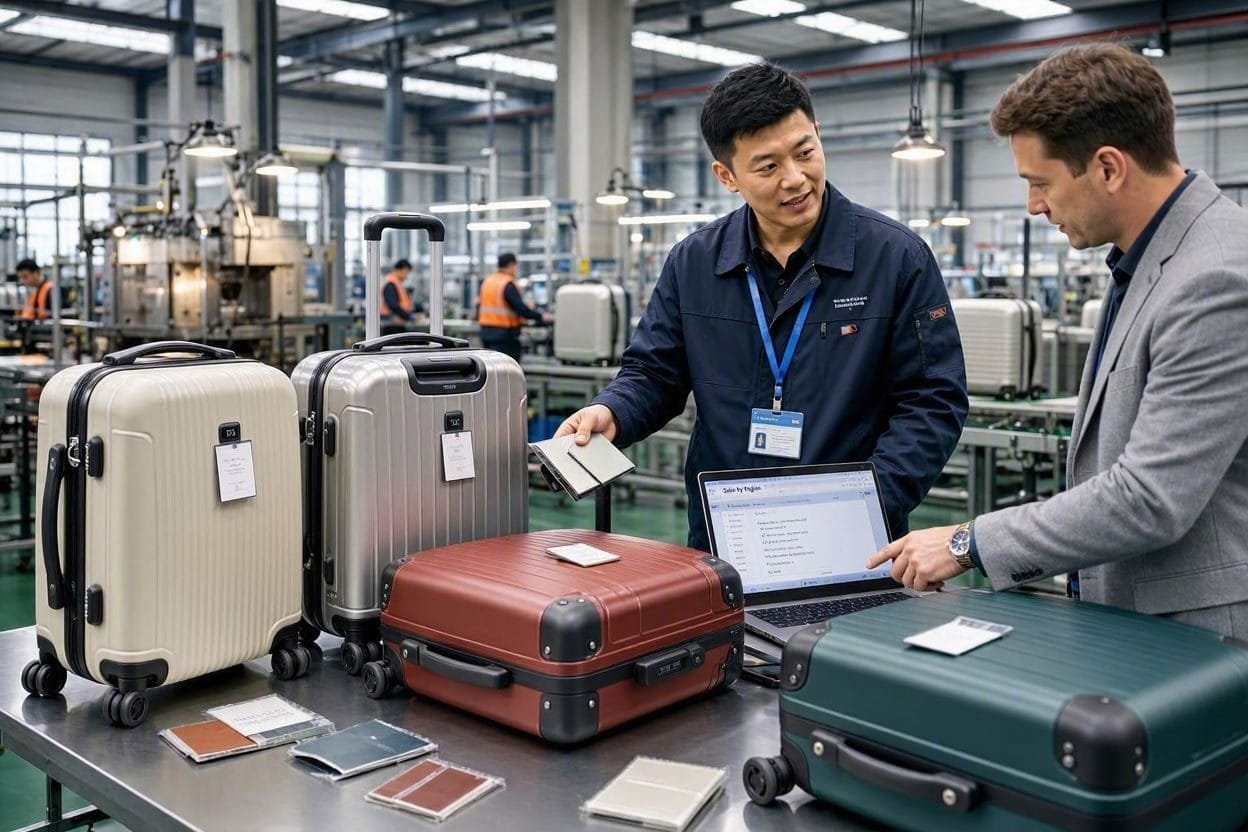
When it comes to sourcing luggage suppliers, buyers must weigh everything from credibility to cost-effectiveness. Keep reading as I break down the strengths, weaknesses, and suitability of each channel based on firsthand business insights.
Why choose trade shows to find luggage suppliers?
Trade shows offer in-person supplier evaluation but need upfront time and investment.
Trade shows are particularly effective for buyers who want direct access to pre-vetted suppliers while physically evaluating products on-site. They’re ideal for high-trust sourcing and immediate face-to-face negotiations. However, travel and attendance costs must be considered.
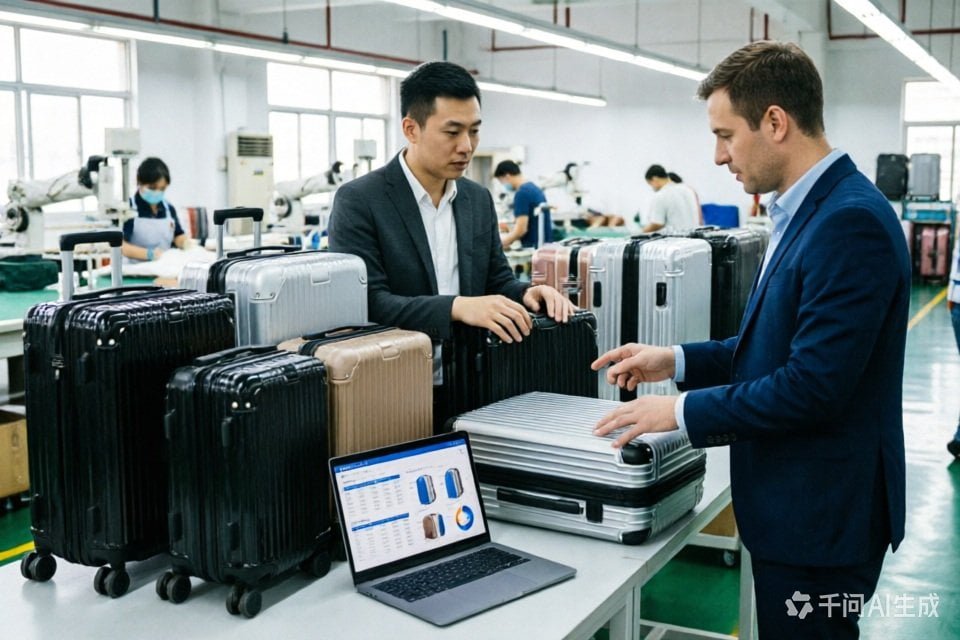
Benefits of sourcing at trade shows:
Trade shows allow buyers to connect with hundreds of suppliers in the same industry, see the latest product designs, and assess quality firsthand. Instead of spending weeks reviewing samples shipped overseas, buyers can confirm compatibility visually and tactically (handling sample products directly). For businesses targeting innovative designs or eco-friendly solutions, these events showcase trends leading the industry.
Key advantages include:
- Immediate product evaluation: Feel quality, compare materials, and assess design innovation4.
- Supplier credibility: Exhibitors are often vetted before attending5.
- Face-to-face negotiations: Streamline discussions around customization, payment options, and logistics.
Limitations:
The biggest drawback is cost—trade show attendance fees, travel expenses, and time commitment can be significant. Additionally, new buyers unfamiliar with industry events may feel overwhelmed at large-scale exhibitions, making it crucial to plan meetings ahead of time.
Is Google search a reliable tool for sourcing luggage suppliers?
Google delivers fast global supplier discovery but requires careful vetting.
Google search is a quick and accessible way to locate luggage suppliers worldwide. While effective for buyers on tight schedules, challenges include sorting through unverified options and ensuring trust before placing orders.

How Google search supports sourcing:
Google search excels as a research tool, offering near-instant access to countless suppliers and manufacturers. For example, searching for “China luggage suppliers” or “ABS suitcase factory” can pull up dozens of options quickly, complete with websites, contact details, and product catalogs. This versatility fits into the fast-paced procurement cycle where buyers prioritize immediate resource access.
Key advantages include:
- Speed and convenience: Easy access to supplier profiles worldwide.
- Low entry barrier: Minimal cost—just internet access and time.
- Open-ended discovery: Find new suppliers or uncover niche manufacturers unnoticed on other platforms6.
Challenges:
However, Google search comes with risks. Unlike trade shows, suppliers found online might not be pre-screened. Scammers or unreliable businesses pose risks, and you’ll need extra time verifying their legitimacy. Communication via email or video conference lacks the depth of face-to-face discussions, potentially causing misunderstandings during negotiations.
What about sourcing luggage suppliers via B2B platforms?
B2B platforms simplify supplier directories but require additional diligence.
Sourcing through B2B platforms like Alibaba, Made-in-China, or Global Sources offers structured access to vetted supplier directories, customizable filters, and supplier profiles. However, inflated pricing and incomplete profiles require thorough vetting.

Why buyers turn to B2B platforms:
B2B marketplaces are designed to help streamline supplier discovery. These platforms provide detailed product categories, images, certifications, and pricing terms upfront. Buyers can contact suppliers directly via integrated chat features, request samples, or even place orders—all within the platform’s ecosystem.
Key advantages include:
- Search refinements: Filters by region, production scale, certifications, or specific product materials7.
- Vetted profiles: Platforms often have verification procedures for supplier legitimacy8.
- Ease of entry: No need for physical travel—ideal for new buyers exploring options.
Challenges of B2B sourcing:
Despite their structured appearance, B2B platforms aren’t foolproof. Vendor profiles can lack transparency or include exaggerated capability claims (e.g., promising high volumes or short lead times). Prices listed are sometimes higher than market benchmarks9. Buyers must be proactive about cross-referencing certifications or using third-party quality inspectors before committing funds.
Frequently Asked Questions
Which sourcing channel works fastest?
Google search offers the fastest access to suppliers globally10, while trade shows and B2B platforms tend to involve longer preparation periods. However, speed should balance with trust—sometimes taking a little longer upfront avoids costly supply chain mistakes later.
Can trade shows save time despite upfront costs?
Yes. Trade shows expedite sourcing by consolidating evaluation, negotiations, and trend discovery into one location11. Although it requires initial travel and attendance fees, seeing products and suppliers directly can eliminate weeks of back-and-forth communications after the event.
Are B2B platforms more trustworthy than Google search?
In general, B2B platforms provide better structured directories with verified suppliers compared to Google search. However, trust still requires thorough due diligence, as even verified profiles sometimes exaggerate manufacturing capabilities.
Conclusion
Which of the three sourcing channels—trade shows, Google searches, or B2B platforms—is best for finding luggage suppliers ultimately depends on your priorities. Trade shows dominate when you value direct product evaluation and high-trust face-to-face negotiations. Google works for quick, budget-conscious discovery but demands careful vetting. B2B platforms balance convenience and structured listings with transparency challenges12.
When choosing your approach, weigh factors like trustworthiness, costs, sample delivery speed, and communication style. If you're unsure where to start, I can personally help guide you toward reputable suppliers in the luggage industry. Let’s optimize your sourcing strategy together!
"7 Benefits of Trade Show Marketing", https://www.edecorp.com/blog/7-benefits-of-trade-show-marketing/. Research indicates that trade shows facilitate direct interactions between buyers and suppliers, enabling product evaluation and negotiation. However, effectiveness may vary by industry and event scale. Evidence role: general_support; source type: research. Supports: Trade shows provide opportunities for direct product evaluation and supplier negotiations.. Scope note: Effectiveness depends on the specific trade show and industry context. ↩
"Google Supplier Engagement – Coming Soon", https://www.google.com/supplierengagement. Studies on digital procurement tools highlight Google’s role in enabling quick supplier discovery, though vetting remains a challenge. Evidence role: general_support; source type: research. Supports: Google search provides rapid access to global supplier information.. Scope note: Does not address the reliability of suppliers found via Google. ↩
"B2B Marketplaces in E-Procurement", https://blog.seeburger.com/rethinking-smart-procurement-with-e-procurement-and-digital-marketplaces/. Research on B2B marketplaces confirms their use of filters and structured directories to streamline supplier discovery, though transparency issues persist. Evidence role: general_support; source type: research. Supports: B2B platforms provide structured directories for supplier selection.. Scope note: Transparency and accuracy of supplier profiles may vary across platforms. ↩
"Evaluation of Trade Show Exhibitions", https://cmr.berkeley.edu/1968/02/11-2-evaluation-of-trade-show-exhibitions/. Studies on trade show benefits highlight their role in showcasing product quality and design trends, particularly in manufacturing industries. Evidence role: general_support; source type: research. Supports: Trade shows enable physical evaluation of product quality and design innovation.. Scope note: Effectiveness may depend on the industry and event scale. ↩
"The Complete Guide to Trade Show Services (Offsite & ...", https://classicexhibits.com/trade-show-services/. Trade show organizers frequently implement vetting processes to ensure exhibitor credibility, though criteria may differ by event. Evidence role: mechanism; source type: institution. Supports: Trade shows often vet exhibitors to ensure credibility.. Scope note: Vetting standards vary significantly across trade shows. ↩
"The FASTEST WAY To Find Your Niche Using AI",
. Research on digital sourcing tools suggests Google’s broad search capabilities can reveal niche suppliers, though verification remains critical. Evidence role: general_support; source type: research. Supports: Google search can uncover niche manufacturers not listed on other platforms.. Scope note: Does not address the reliability of niche suppliers found via Google. ↩"Search Filters Broken On Large B2B Catalogs? Find Out Why", https://commerce-network.io/blog/why-search-filters-break-on-large-b2b-catalogs. Studies on B2B marketplaces confirm the use of filters for refining supplier searches, including certifications and production scale. Evidence role: mechanism; source type: research. Supports: B2B platforms provide search filters for supplier selection.. Scope note: Filter availability may vary across platforms. ↩
"How to Verify Wholesale Suppliers on a B2B Marketplace", https://supreva.com/en/blog-en/how-to-verify-wholesale-suppliers-on-a-b2b-marketplace-what-to-check-and-what-the-platform-must-offer-en/. Institutional reports on B2B marketplaces describe verification processes aimed at ensuring supplier credibility, though methods vary. Evidence role: mechanism; source type: institution. Supports: B2B platforms often verify suppliers to ensure legitimacy.. Scope note: Verification standards differ across platforms. ↩
"Inflation Is Forcing B2B CEOs to Rethink Pricing", https://www.bcg.com/publications/2022/managing-inflation-b2b-companies. Research on B2B pricing trends indicates that listed prices can be higher than market averages due to platform fees or supplier markups. Evidence role: statistic; source type: research. Supports: Prices on B2B platforms may exceed market benchmarks.. Scope note: Price discrepancies depend on the platform and product category. ↩
"7 Step Strategic Sourcing Process for Procurement Success", https://www.ivalua.com/blog/strategic-sourcing-process/. Studies on procurement tools highlight Google’s speed in supplier discovery, though vetting remains a challenge. Evidence role: statistic; source type: research. Supports: Google search provides rapid access to global suppliers.. Scope note: Does not compare Google’s speed directly to other sourcing methods. ↩
"Trade Shows", https://www.trade.gov/trade-shows. Research on trade show benefits confirms their role in streamlining procurement activities, particularly in manufacturing and design industries. Evidence role: general_support; source type: research. Supports: Trade shows consolidate sourcing activities like evaluation, negotiation, and trend discovery.. Scope note: Efficiency may vary by industry and event scale. ↩
"How to Structure a B2B Marketplace Venture", https://sloanreview.mit.edu/article/how-to-structure-a-b2b-marketplace-venture/. Studies on B2B marketplaces highlight their convenience and structured listings, though transparency issues remain a concern. Evidence role: general_support; source type: research. Supports: B2B platforms provide structured listings but face transparency challenges.. Scope note: Transparency challenges depend on the platform and supplier profiles. ↩