

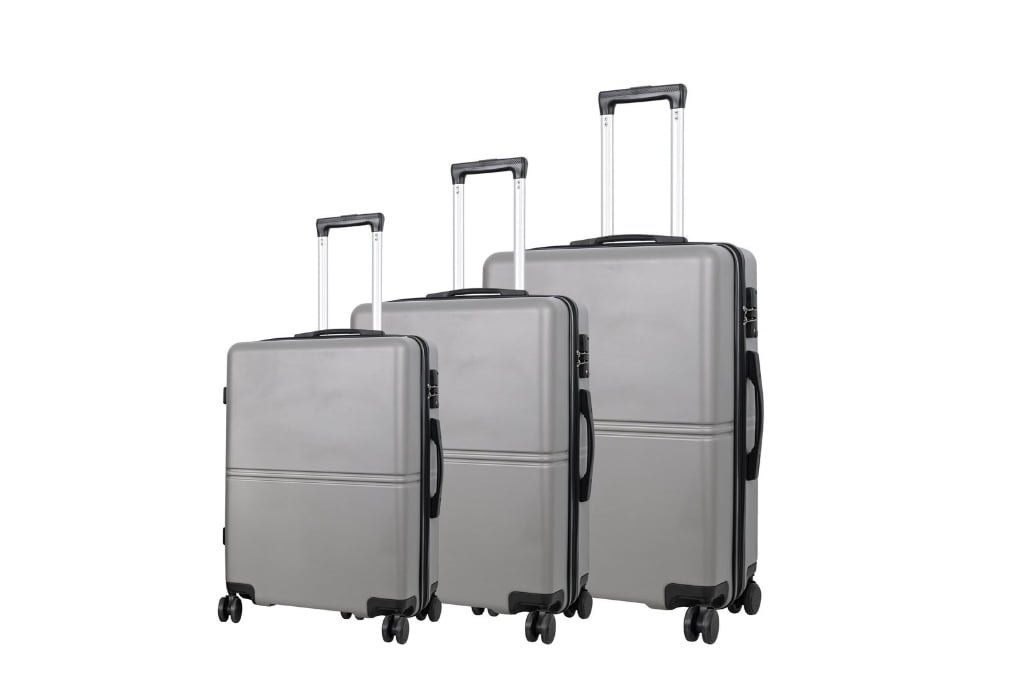
Luggage for Frequent Flyers: Durable, Lightweight & Smooth Wheels
Frequent flyers know that their luggage plays a make-or-break role in their travel experience. From wear and tear in transit to ease of maneuvering through bustling airports, the stakes are high. Choosing luggage that’s durable, lightweight, and equipped with smooth wheels is essential for hassle-free travel.1 But how do you balance these factors when evaluating options?
Durable luggage is built to handle frequent use without sacrificing structural integrity, while lightweight materials ensure easy carrying. Smooth wheels reduce resistance, ensuring seamless motion across uneven surfaces.
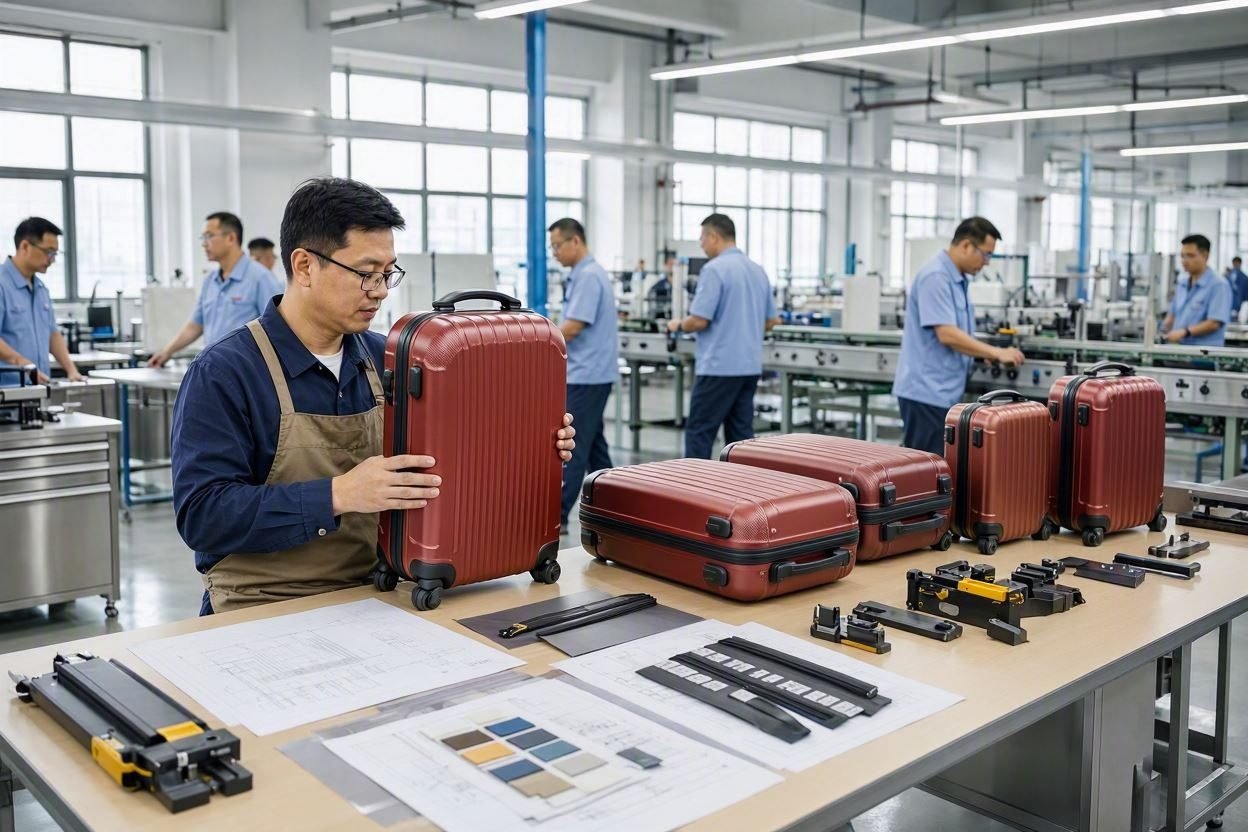
In this guide, we’ll break down each critical aspect, offering practical tips for selecting the ideal travel luggage. Whether you’re a procurement manager evaluating suppliers or building your brand’s offerings, this article will arm you with insights grounded in real-world usability.
What defines durable luggage for frequent flyers?
Durability doesn’t mean indestructibility—it means resilience under real-world travel scenarios.
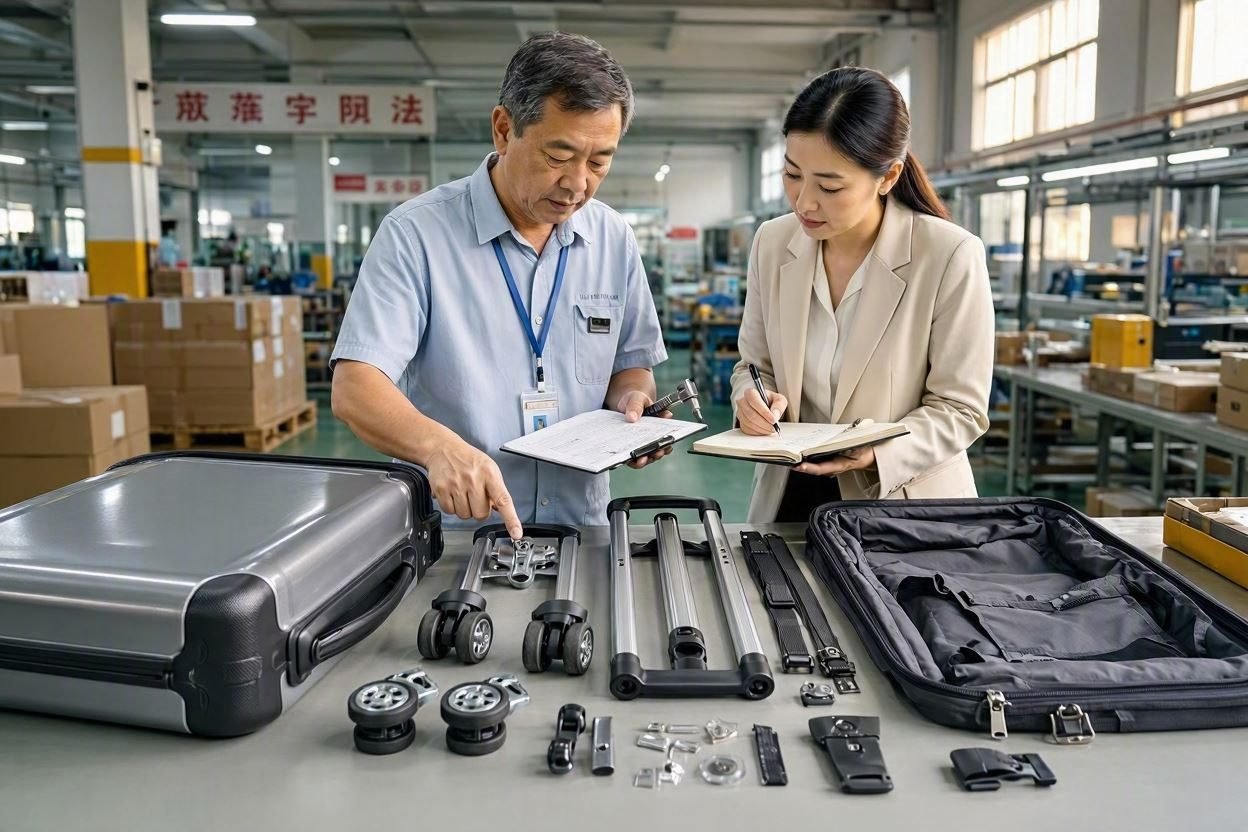
Durable luggage for frequent flyers is designed to survive repeated handling, loading, and unloading while maintaining its shape and functionality.2 Key considerations include resistance to cracking, impact protection, and reinforcement in vulnerable areas like corners or zippers.
Dive deeper into durability
Frequent travelers often have unrealistic expectations of durability, imagining their luggage will endure years of abuse without a scratch. The reality is that even the most robust materials, like polycarbonate or high-grade ABS, will show signs of wear after repeated exposure to conveyor belts, airport personnel handling, or extreme temperature changes.
Here’s how to evaluate durability effectively:
- Material choice matters: Hard-shell luggage made of polycarbonate is more flexible and less prone to cracking under pressure compared to cheaper ABS alternatives.3
- Reinforcements protect vulnerable points: Look for reinforced corners, double-stitched seams, and heavy-duty zippers designed to resist stress.
- Weatherproofing: If your business relies on clients traveling to regions with unpredictable weather, ensure products are waterproof to protect contents from rain or snow.
- Realistic warranty terms: Pay attention to supplier warranties. A 5–10-year guarantee often reflects confidence in the durability of their luggage.
How do you find lightweight luggage without compromising sturdiness?
Lightweight luggage isn’t just about ease—it reduces strain during long airport transitions. But choosing lightweight options for frequent flyers requires understanding the right materials and design trade-offs.
The ideal lightweight luggage is strong yet easy to lift, combining well-engineered designs with materials that balance weight and durability.
Dive deeper into lightweight selection tips
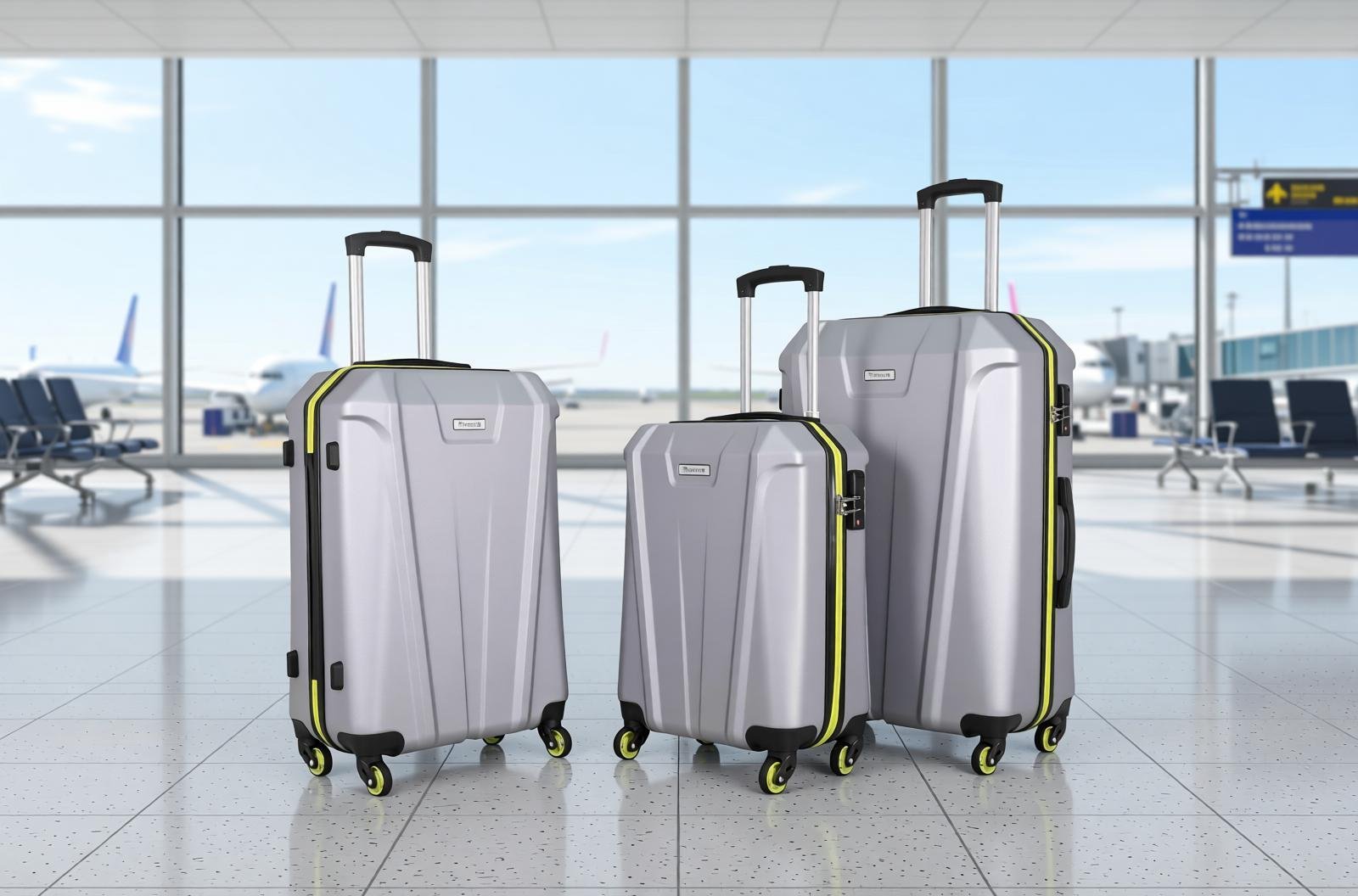
Lifting cumbersome bags into overhead compartments or onto scales can be a strain, especially during frequent trips. Reducing weight helps, but frequent flyers need strength to go along with lower mass. Here’s how you can strike the balance:
- Materials that excel in lightweight construction: Polycarbonate and polypropylene are preferred for hard-shell options, while RPET (recycled polyethylene terephthalate) fabrics are great for soft luggage.4
- Evaluate weight trade-offs: Avoid ultra-light luggage that sacrifices durability. For example, minimal padding or thinner materials may reduce weight but expose contents to greater impact risk.
- Smart designs: Minimalistic designs like recessed handles or lightweight interior frames reduce bulk without sacrificing function.
- Size vs. weight considerations: Medium-sized checked luggage under 3.5–4 kg strikes the right balance for frequent flyers, offering enough storage without becoming cumbersome.5
💡 Pro tip for procurement managers: Look closely at certifications like ISO or SGS testing reports—it’s one of the best ways to verify a supplier’s claims on materials and weight standards.
Why is wheel performance essential, and how do you evaluate it?
Wheel performance directly impacts ease of movement—an underperforming set of wheels can turn airport navigation into a nightmare.
High-performing suitcase wheels should offer smooth motion, durability under repeated stress, and compatibility with uneven surfaces commonly seen in airports.
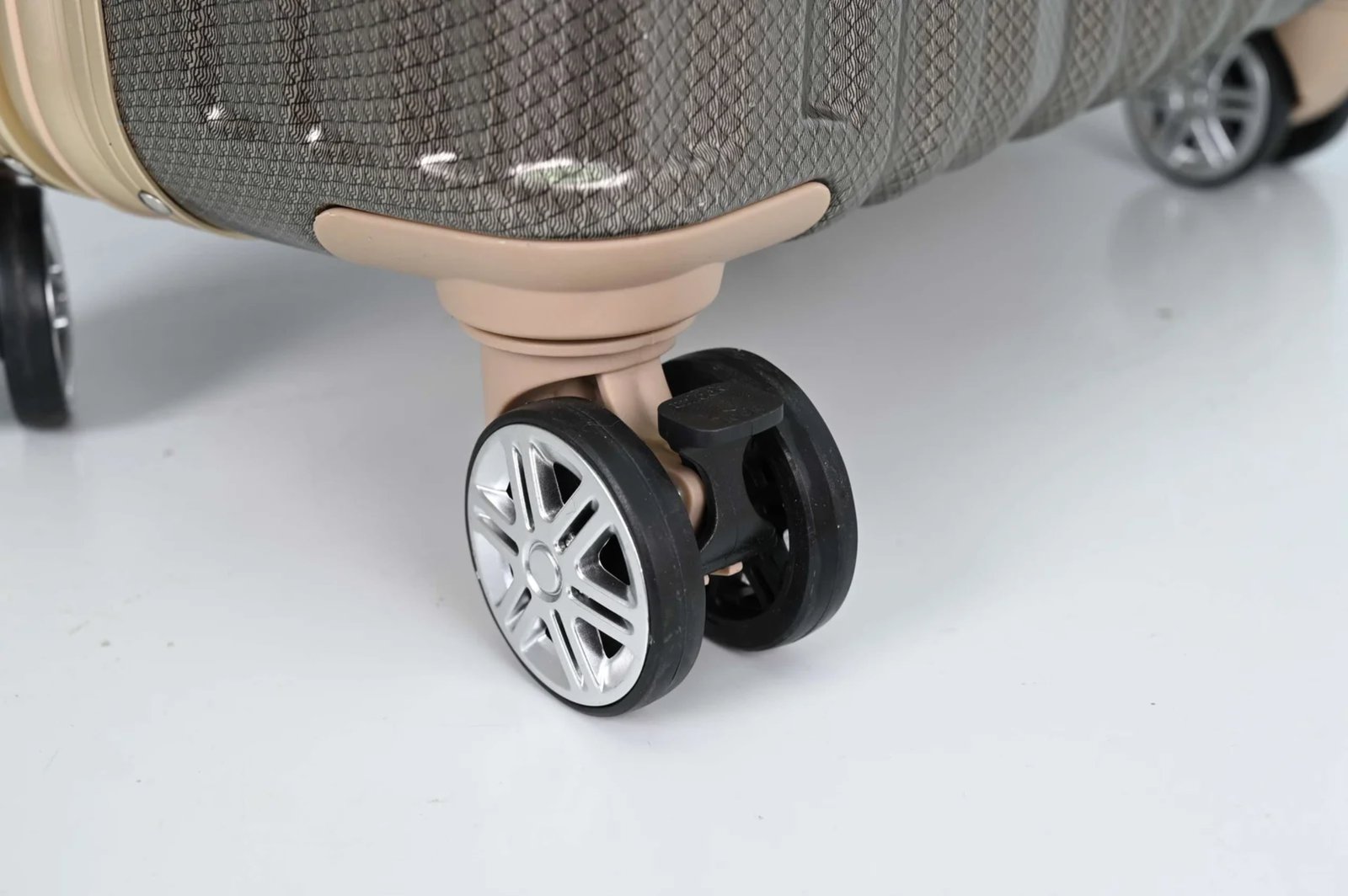
Dive deeper into wheel quality and design
There’s more to luggage wheels than meets the eye. For frequent travelers, every detail matters—from the type of wheels to how they function in wear-intensive conditions. Here’s a practical breakdown:
- Opt for 360-degree spinner wheels: Four multi-directional wheels provide greater maneuverability than traditional two-wheeled luggage.6 Frequent flyers can roll their suitcase beside them easily, reducing wrist strain.
- Material considerations: Good-quality spinner wheels use polyurethane or thermoplastic elastomers (TPE), which offer durability, low noise, and smooth motion.7
- Evaluate axle design: Metal axles are preferred for frequent-use luggage because they degrade less under constant movement. Plastic axles may wear out faster and compromise mobility.
- Real-world tests: Luggage meant for frequent flyers must pass multipoint wheel tests, involving rolling on textured surfaces like airport tiles or pavement to simulate traveler usage.8
How can you ensure luggage fits real-world travel challenges?
While durability, weight, and wheels are foundational, the usability of luggage under actual travel conditions can make or break a buyer’s decision.
Real-world scenarios like navigating airport security, extreme weather, and frequent loading/unloading shape the buyer’s perception of luggage quality.

Dive deeper into usability factors
Frequent flyers demand luggage that is not only built well but also functional for their fast-paced routines. Here are key points to consider:
- Airport security preparation: Hard-shell luggage with TSA-approved locks simplifies travel through security checkpoints.9
- Organized compartments: Travelers appreciate smart interior layouts, like padded laptop slots or moisture-resistant toiletry pockets.10
- Impact resistance: Look for products designed to handle heavy shunts during baggage claim; reinforced sidewalls are a popular feature.
- Handles and grips: Soft ergonomic handles, multi-level retractable handles, and shock-absorbent grips minimize discomfort during motion.
- Extreme weather readiness: Tailor luggage material selections for environments with high humidity, rain, or heat, especially if targeting buyers in tropical or desert regions.
Frequently Asked Questions
What is the best material for durable luggage?
Polycarbonate is widely regarded for its durability and flexibility, as it resists cracks and deformation under stress. For soft-shell options, RPET (recycled polyester) is a sustainable and sturdy choice.
Are spinner wheels better for frequent travel?
Yes, spinner wheels make navigation significantly smoother in crowded airports and tight spaces. Ensure they are made from durable materials like polyurethane and mounted on metal axles for longevity.
How can lightweight luggage remain strong?
Lightweight luggage incorporates high-strength materials like polypropylene or polycarbonate in hard-shells. For soft-shells, RPET or nylon strike a balance between minimal weight and robust structure.
What luggage features help with airport security?
TSA-approved combination locks, easy-access compartments, and padded laptop sections simplify security checks and keep belongings protected.
How do I verify a supplier’s claims about luggage durability?
Request proof such as material certifications, SGS testing results, or ISO standards for durability. Conduct sample checks or ask for wheel stress tests before placing a bulk order.
Conclusion
For frequent flyers, luggage isn’t just a travel tool—it’s a daily companion. Durability, lightweight construction, and smooth wheels are the gold standard for selecting dependable bags that thrive in the real world of travel. Whether you’re sourcing luggage for direct use or reviewing supplier options for your brand, prioritizing these factors ensures products deliver reliability and satisfaction.
Looking for tailored solutions to meet your sourcing needs? Contact us today, and let’s discuss how we can support your luggage procurement journey!
"The perceived value of frequent flyer program benefits ...", https://commons.erau.edu/cgi/viewcontent.cgi?article=1249&context=ijaaa. Studies on frequent traveler preferences highlight the importance of durable, lightweight luggage with smooth wheels for ease of movement and reduced strain during travel. Evidence role: general_support; source type: research. Supports: The importance of durable, lightweight luggage with smooth wheels for frequent travel.. Scope note: The source may focus on specific traveler demographics or regions, which could limit generalizability. ↩
"Durable Luggage That Lasts: A Guide to Smarter Travel Gear", https://bricstore.com/blogs/brics/durable-luggage-that-lasts-a-guide-to-smarter-travel-gear?srsltid=AU7gw4WY1nWPOL13OhrIrfZtTLi_52IVtuSeioFjoqsA4ANDdYOjE3JD. Durable luggage is defined as being able to endure frequent handling, loading, and unloading without losing its structural integrity or functionality. Evidence role: definition; source type: education. Supports: The characteristics of durable luggage for frequent flyers, including its ability to withstand repeated handling and maintain functionality.. ↩
"Luggage Materials: Polypropylene vs Polycarbonate vs ABS", https://travelpro.com/pages/luggage-guide-to-shell-materials. Material studies indicate that polycarbonate is more flexible and less prone to cracking under stress compared to ABS, making it a preferred choice for durable luggage. Evidence role: mechanism; source type: research. Supports: The comparative flexibility and cracking resistance of polycarbonate versus ABS in luggage materials.. Scope note: The comparison may depend on specific manufacturing processes or material grades. ↩
"Luggage Materials: Polypropylene vs Polycarbonate vs ABS", https://travelpro.com/pages/luggage-guide-to-shell-materials. Experts in luggage manufacturing recommend polycarbonate and polypropylene for their durability and RPET for its lightweight and sustainable properties in soft luggage. Evidence role: expert_consensus; source type: education. Supports: The preference for polycarbonate and polypropylene in hard-shell luggage and RPET in soft luggage.. Scope note: The preferences may depend on specific use cases or manufacturing techniques. ↩
"How much does your bag weigh when packed? : r/onebag", https://www.reddit.com/r/onebag/comments/ce1i6x/how_much_does_your_bag_weigh_when_packed/. Research on frequent traveler preferences suggests that medium-sized checked luggage under 4 kg offers a balance of storage capacity and ease of handling. Evidence role: statistic; source type: research. Supports: The recommendation of 3.5–4 kg as an ideal weight range for medium-sized checked luggage for frequent flyers.. Scope note: The ideal weight range may vary based on individual traveler needs and airline restrictions. ↩
"4 wheel spinner luggage or 2 wheel for travelling around", https://www.reddit.com/r/GreeceTravel/comments/131sq4e/4_wheel_spinner_luggage_or_2_wheel_for_travelling/. Studies on luggage design confirm that four multi-directional wheels enhance maneuverability, especially in crowded or tight spaces. Evidence role: mechanism; source type: research. Supports: The improved maneuverability of four multi-directional wheels compared to two-wheeled luggage.. Scope note: The advantage may depend on the quality of the wheels and the surface conditions. ↩
"Luggage Wheels Types to Consider", https://travelpro.com/pages/types-of-luggage-wheels. Material science research highlights polyurethane and TPE as ideal for spinner wheels due to their durability, noise reduction, and smooth motion properties. Evidence role: mechanism; source type: research. Supports: The suitability of polyurethane and TPE for durable, low-noise, and smooth spinner wheels.. Scope note: The performance may vary based on wheel design and manufacturing quality. ↩
"Why Lab-4 Tested Luggage Wheels Still Fail and How to ...", https://emaybag.com/post/lab-tested-luggage-wheels/. Industry standards recommend multipoint wheel tests, including rolling on textured surfaces, to ensure luggage performance under real-world conditions. Evidence role: case_reference; source type: institution. Supports: The necessity of multipoint wheel tests for luggage intended for frequent flyers.. Scope note: Specific testing protocols may vary by manufacturer or region. ↩
"Travel Checklist | Transportation Security Administration - TSA", https://www.tsa.gov/travel/travel-tips/travel-checklist. The Transportation Security Administration (TSA) states that TSA-approved locks allow security personnel to inspect luggage without damaging the lock, facilitating smoother security checks. Evidence role: mechanism; source type: government. Supports: The role of TSA-approved locks in simplifying travel through security checkpoints.. ↩
"Luggage Market Trends Redefining Modern Travel", https://www.persistencemarketresearch.com/blog/global-luggage-market.asp. Surveys of frequent travelers indicate a strong preference for luggage with smart interior layouts, such as padded laptop compartments and moisture-resistant pockets. Evidence role: general_support; source type: research. Supports: The preference for smart interior layouts, including padded laptop slots and moisture-resistant toiletry pockets, among travelers.. Scope note: The preferences may vary based on traveler demographics and trip purposes. ↩