
How Do You Avoid Inland Trucking Delays When Importing Luggage from China?
Delays in inland trucking can derail your carefully planned import operations. Whether it's bottlenecks at ports or coordination issues with trucking providers, these problems can add time, cost, and stress to your supply chain. Understanding local port dynamics, choosing the right transport partners, and proactively planning are key to avoiding inland trucking delays.
You can avoid inland trucking delays when importing luggage from China by carefully selecting trucking partners, vetting port-specific logistics capabilities, and optimizing pickup schedules to address predictable bottlenecks. Implementing proactive strategies around these areas minimizes risks and ensures your cargo flows efficiently to its destination.
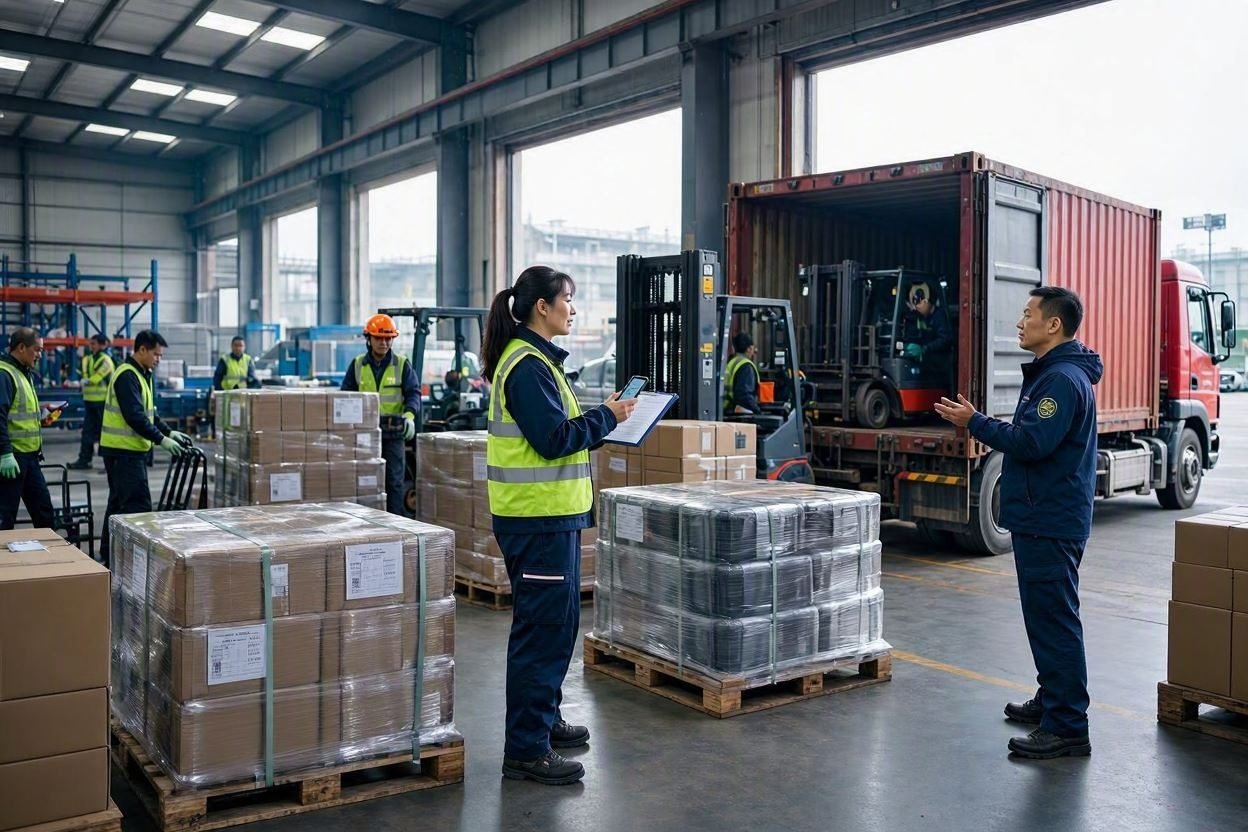
Importers, especially those purchasing luggage from China, often underestimate the complexity of inland logistics. In this article, I’ll break down the major causes of inland trucking delays and provide actionable strategies to help you mitigate them effectively.
Why Do Inland Trucking Delays Occur When Importing Luggage from China?
Delays in inland trucking stem from multiple interconnected factors, including port congestion, mismatched schedules, and resource availability. Let’s examine how these issues affect luggage importers.
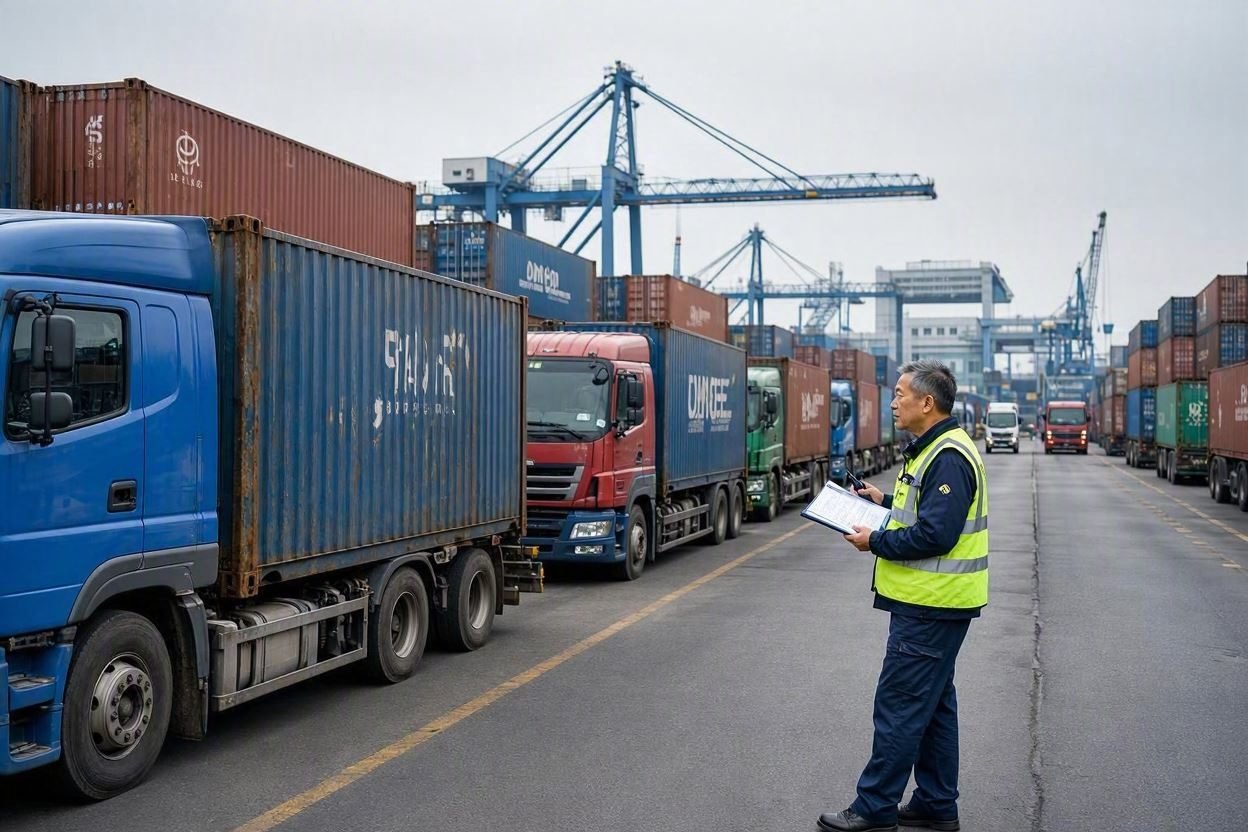
At busy ports, delays arise due to high volume, limited trucking capacity, and inconsistent schedules between shipping lines and land transport providers. This mismatch in timing often means cargo waits longer than planned for pickup. These problems are compounded by importers choosing low-cost providers that lack service reliability.
Breaking Down the Typical Causes of Inland Trucking Delays:
- Port conditions: Ports like Shanghai and Ningbo experience high traffic1, leading to delays in cargo discharge and truck assignments.
- Trucking provider coordination: Many roads near major ports suffer congestion, especially during peak seasons2.
- Underestimated delivery lead times: Importers often fail to account for local holidays, labor shortages3, or changeable port operation hours.
Navigating these complexities requires clear communication with trusted logistics partners, as well as practical solutions for time efficiency and risk mitigation.
How Can You Vet Inland Trucking Companies in China?
Choosing trucking companies in China isn’t as straightforward as picking the cheapest option. Providers vary greatly in service quality, coordination ability, and reliability with sensitive cargo like luggage.
Prioritize trucking providers with a proven track record at key ports, certifications for handling large-volume shipments, and transparent policies on damage coverage. Scrutinizing company credentials during initial selection saves time later by avoiding service failures or missed deadlines.
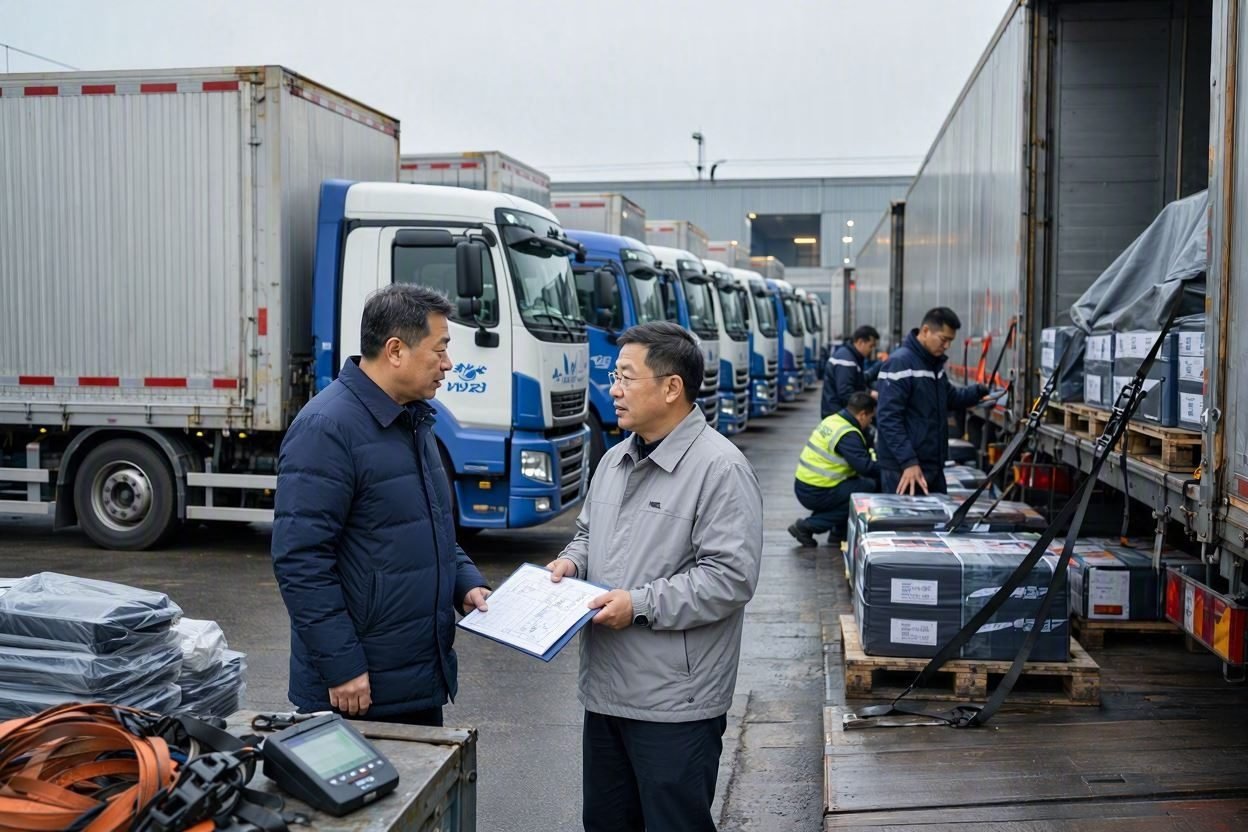
Key Factors for Vetting Trucking Companies:
- Experience at specific ports: Providers familiar with major ports like Shenzhen, Guangzhou, or Tianjin are better equipped to handle their unique demands.
- Fleet quality: Newer vehicles reduce risks of breakdowns4, while providers with larger fleets are less likely to run out of capacity.
- Insurance protections: Inland trucking often requires separate, specialized cargo insurance5 to cover damage risks.
- Communication responsiveness: Firms that offer 24/7 updates and real-time tracking significantly enhance coordination.
For example, one importer faced continuous delays when working with a budget trucking provider that failed to manage peak-season capacity in Shanghai. Switching to a premium partner improved shipment timelines and reduced cargo hiccups by effectively coordinating port trucking schedules.
What Are Port-Specific Bottlenecks You Should Address?
Each Chinese port comes with its own logistical quirks, meaning your inland trucking strategy must adapt accordingly. Without preparation, importers risk falling victim to bottlenecks specific to certain regions.
Port-specific bottlenecks often include extended customs processing6, limited road access for trucks7, and occasional storage shortages8. Developing schedules around these bottlenecks, and using local expertise, minimizes delays. Ports like Qingdao may differ drastically from Guangzhou in both trucking availability and capacity.
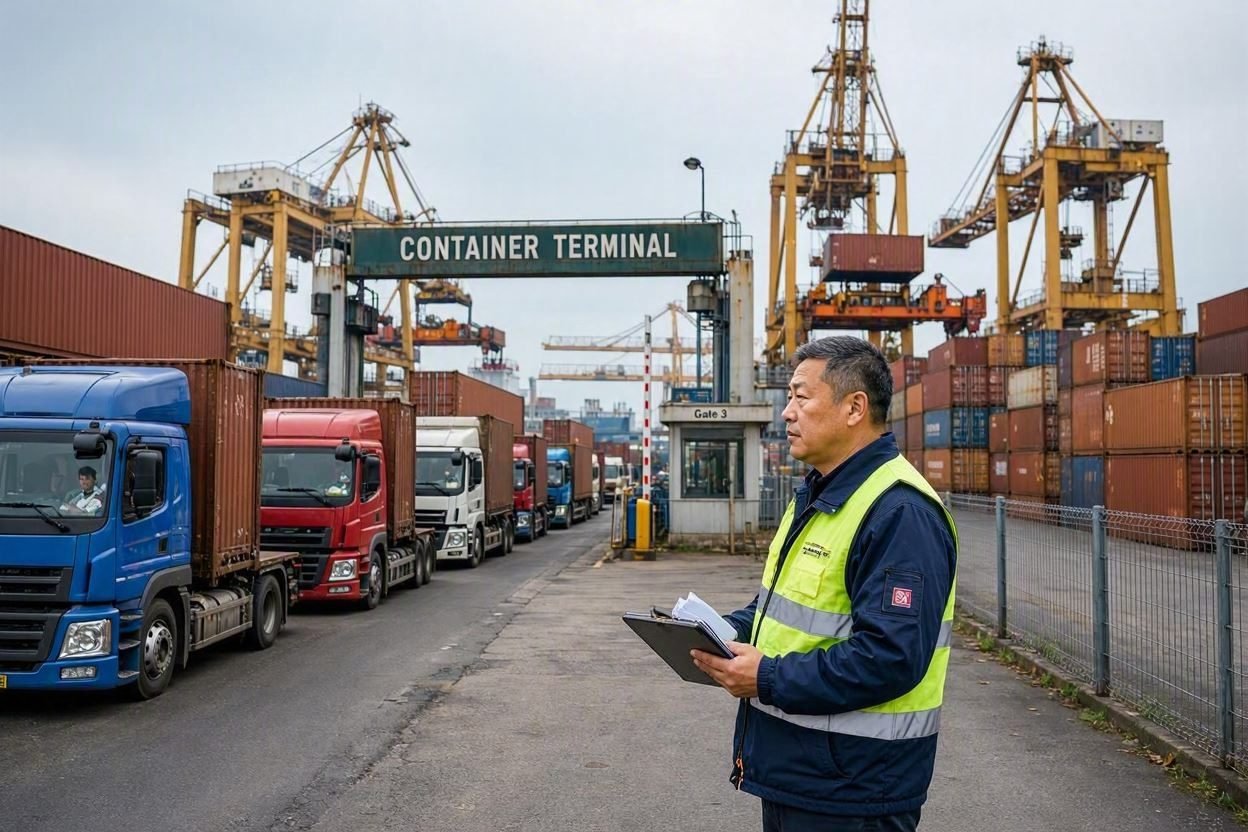
Example Bottlenecks by Port:
| Port Name | Common Bottlenecks | Solutions |
|---|---|---|
| Shanghai | Heavy traffic congestion near terminals | Optimize pickup during low-traffic times |
| Shenzhen | Long customs processing during peak seasons | Allocate buffers into trucking schedules |
| Tianjin | Limited trucking availability during local festivals | Secure trucking contracts early |
| Ningbo | Shipment overflow causing temporary storage shortages | Book nearby warehouse space in advance |
Understanding these bottlenecks allows for smarter planning and scoping with logistics providers who know the terrain firsthand.
How Can Pickup Schedules Reduce Delays?
When inland trucking is poorly scheduled, the risk of delays multiplies. However, importers often don’t proactively coordinate pickup timings with their supply chain stakeholders.
Pickup schedules in inland trucking are most efficient when planned based on expected cargo availability at ports, trucking volumes, and delivery destination timelines. Coordinating these pieces ensures smoother movement from port to truck.
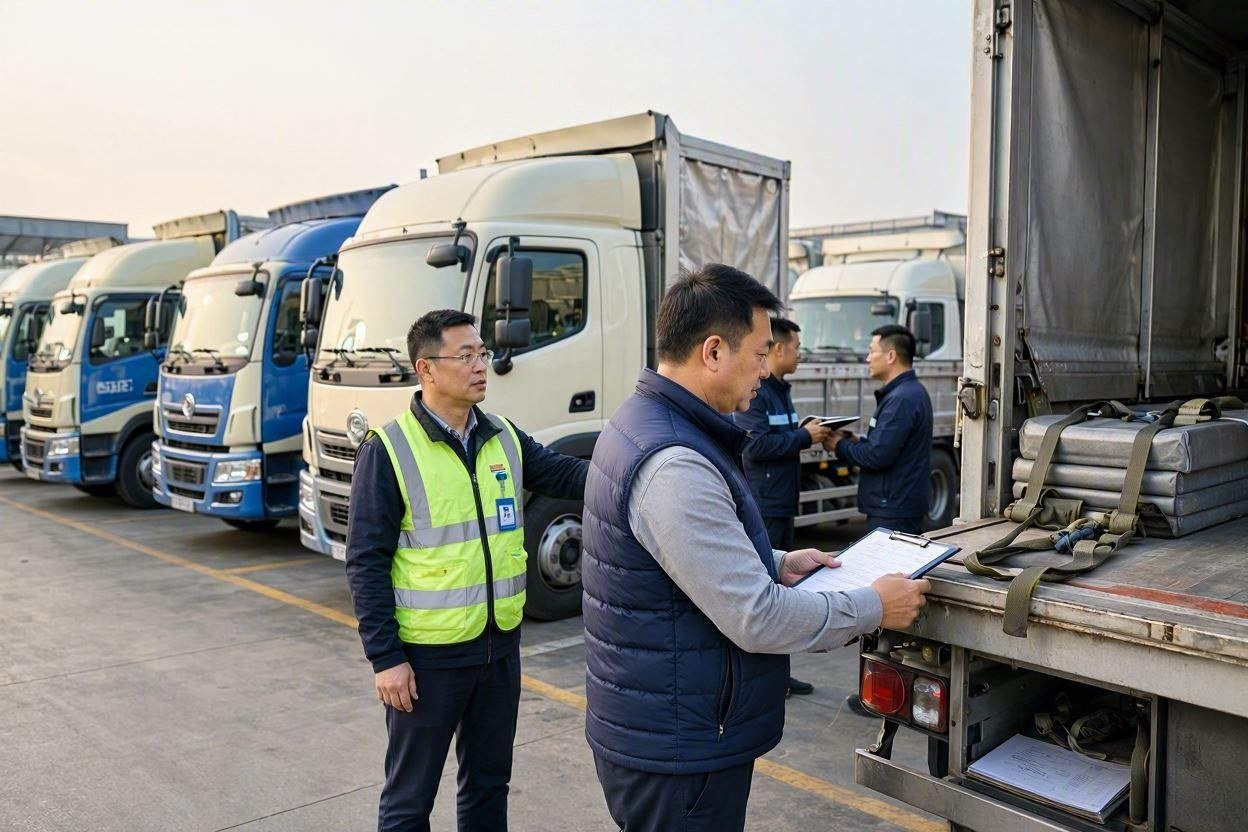
Practical Tips for Optimizing Pickup Schedules:
- Communicate early with logistics providers about cargo readiness once shipping timelines are confirmed.
- Assign buffers for pickup delays, especially during peak import/export seasons like the Chinese New Year9.
- Leverage tracking technology10 to synchronize trucking arrivals with real-time port conditions.
- Explore scheduling flexibility to adjust pickup times as delays or forecasts change.
A successful case involved one importer planning pickup early with a trucking partner that offered smart tracking. They avoided Shanghai port congestion without missing final delivery deadlines. Proactive schedule coordination proved invaluable.
Frequently Asked Questions
Why do inland trucking rates vary so much in China?
Rates depend on factors like fleet quality, demand levels at specific ports, and insurance coverage. Lower-cost providers often sacrifice reliability or capacity, leading to longer delays during high-traffic periods.
Should I invest in inland trucking insurance?
Yes. Inland trucking insurance protects your cargo from damage en route to its destination. Unlike standard maritime insurance, it’s tailored to risks on land, such as vehicle accidents or adverse weather11.
While premium providers minimize risks, they can’t eliminate external disruptions like port congestion or road closures12. Choosing a reliable partner reduces the frequency and severity of delays but doesn’t guarantee zero issues.
Conclusion
Minimizing inland trucking delays when importing luggage from China requires strategic planning and informed decision-making. From selecting vetted trucking partners to addressing port-specific bottlenecks, every choice plays a role in successful import logistics. By focusing on quality and coordination, rather than simply cost-cutting, you can significantly reduce risks and inefficiencies in inland transportation.
Need expert advice on optimizing your supply chain for luggage imports? Let us help you navigate these challenges with tailored solutions designed for smooth inland logistics.
"Port of Shanghai: World's Busiest Port Trading & Forecast...", https://content.ballastmarkets.com/ports/shanghai/. Port statistics from Chinese maritime authorities document the container throughput volumes at Shanghai and Ningbo, establishing these as high-traffic facilities. Evidence role: statistic; source type: government. Supports: Official port authority data confirming high cargo volumes at Shanghai and Ningbo ports. Scope note: Traffic volume data may not directly correlate with trucking delays without additional operational context ↩
"The impact of port green competitiveness on the hinterland ...", https://pmc.ncbi.nlm.nih.gov/articles/PMC11441664/. Studies on freight transportation in China identify road congestion as a recurring challenge in port access corridors, particularly during high-volume periods. Evidence role: general_support; source type: research. Supports: Transportation research documenting congestion patterns in port hinterland areas. Scope note: General transportation research may not specify all ports mentioned in the article ↩
"What Are Growing Labor Shortages That Could Affect Supply ...", https://online.uncp.edu/degrees/business/mba/supply-chain-management/labor-shortages-could-disrupt-supply-chain/. Transportation industry analyses identify periodic labor shortages in China's trucking sector, particularly affecting driver availability during peak seasons and following major holidays. Evidence role: general_support; source type: research. Supports: Labor market research documenting workforce challenges in China's trucking sector. ↩
"Average Age of Automobiles and Trucks in Operation in the ...", https://www.bts.gov/content/average-age-automobiles-and-trucks-operation-united-states. Fleet management studies demonstrate an inverse relationship between vehicle age and operational reliability, with newer trucks showing lower breakdown frequencies. Evidence role: statistic; source type: research. Supports: Transportation research correlating vehicle age with mechanical reliability. ↩
"Understanding Inland Marine Insurance", https://www.leavitt.com/northwest/ins/inland-marine-insurance. Insurance industry standards recognize inland cargo insurance as a separate coverage category from marine insurance, addressing land-specific risks during freight movement. Evidence role: general_support; source type: institution. Supports: Insurance industry documentation of distinct coverage requirements for inland versus maritime transport. ↩
"Trade Facilitation Support Program (TFSP)", https://www.worldbank.org/en/programs/trade-facilitation-support-program. International trade organizations track customs clearance times at major Chinese ports, providing benchmarks for processing durations that vary by port and season. Evidence role: statistic; source type: institution. Supports: Trade facilitation data documenting customs processing timeframes at Chinese ports. Scope note: Aggregate statistics may not capture port-specific variations or peak-period delays ↩
"The impact of port green competitiveness on the hinterland ...", https://pmc.ncbi.nlm.nih.gov/articles/PMC11441664/. Port logistics studies document varying levels of road infrastructure capacity at Chinese ports, with some facilities facing constraints in truck access during high-volume periods. Evidence role: general_support; source type: research. Supports: Transportation infrastructure research identifying road access constraints at port facilities. ↩
"Port Performance Freight Statistics Program", https://www.bts.gov/ports. Maritime logistics research identifies periodic storage capacity constraints at high-volume Chinese ports, particularly during peak shipping seasons when container volumes exceed yard capacity. Evidence role: general_support; source type: research. Supports: Port operations research documenting storage capacity challenges. ↩
"Chinese New Year and its Impact on Global Supply Chain", https://ctl.mit.edu/news/chinese-new-year-and-its-impact-global-supply-chain. Supply chain research identifies Chinese New Year as a significant seasonal disruption period for freight operations in China, with reduced capacity and extended lead times. Evidence role: historical_context; source type: research. Supports: Documentation of Chinese New Year's impact on logistics and freight operations. ↩
"How GPS Trackers Supercharge Your Fleet Efficiency - Mastrack", https://mastrack.com/index.php?route=extension/d_blog_module/post&post_id=14&srsltid=AU7gw4X4DpMzOKrFRMDdxlKSRIjLN3Fmzwu_-E7ZZLiPZABSDI8eGGQl. Supply chain management research documents that real-time tracking systems enhance coordination between stakeholders by providing visibility into shipment status and enabling responsive scheduling adjustments. Evidence role: mechanism; source type: research. Supports: Research demonstrating how tracking technology improves logistics coordination. ↩
"Weather and Climate Impacts on Commercial Motor Vehicle ...", https://rosap.ntl.bts.gov/view/dot/11531. Commercial vehicle safety studies document accidents and adverse weather conditions as significant risk factors in freight transportation, contributing to cargo damage and delivery delays. Evidence role: general_support; source type: research. Supports: Transportation safety research identifying accidents and weather as cargo transport risk factors. ↩
"China-Linked Cyber Operations Targeting US Critical ...", https://www.cyber.nj.gov/threat-landscape/nation-state-threat-analysis-reports/china-linked-cyber-operations-targeting-us-critical-infrastructure. Logistics research identifies road closures due to maintenance, construction, or regulatory restrictions as recurring disruptions to freight schedules, requiring route adjustments and contingency planning. Evidence role: general_support; source type: research. Supports: Transportation research documenting road closures as a source of freight disruption. ↩