
Low MOQ Luggage OEM for Small Batch Export Orders
Low MOQ luggage OEM sounds perfect for small-batch export orders when you're testing new designs or entering new markets. But buyers often face unexpected challenges, from higher unit costs to delays in production. Navigating these risks starts with assessing suppliers whose production setups truly align with small-batch needs.
Low MOQ luggage OEM suppliers are distinguished by modular production systems, adaptive design flexibility, and realistic lead time commitments1—not just their willingness to accept small orders. Buyers should focus on supplier evaluation frameworks to mitigate risks like higher trial costs, incompatible production setups, and design misalignment.
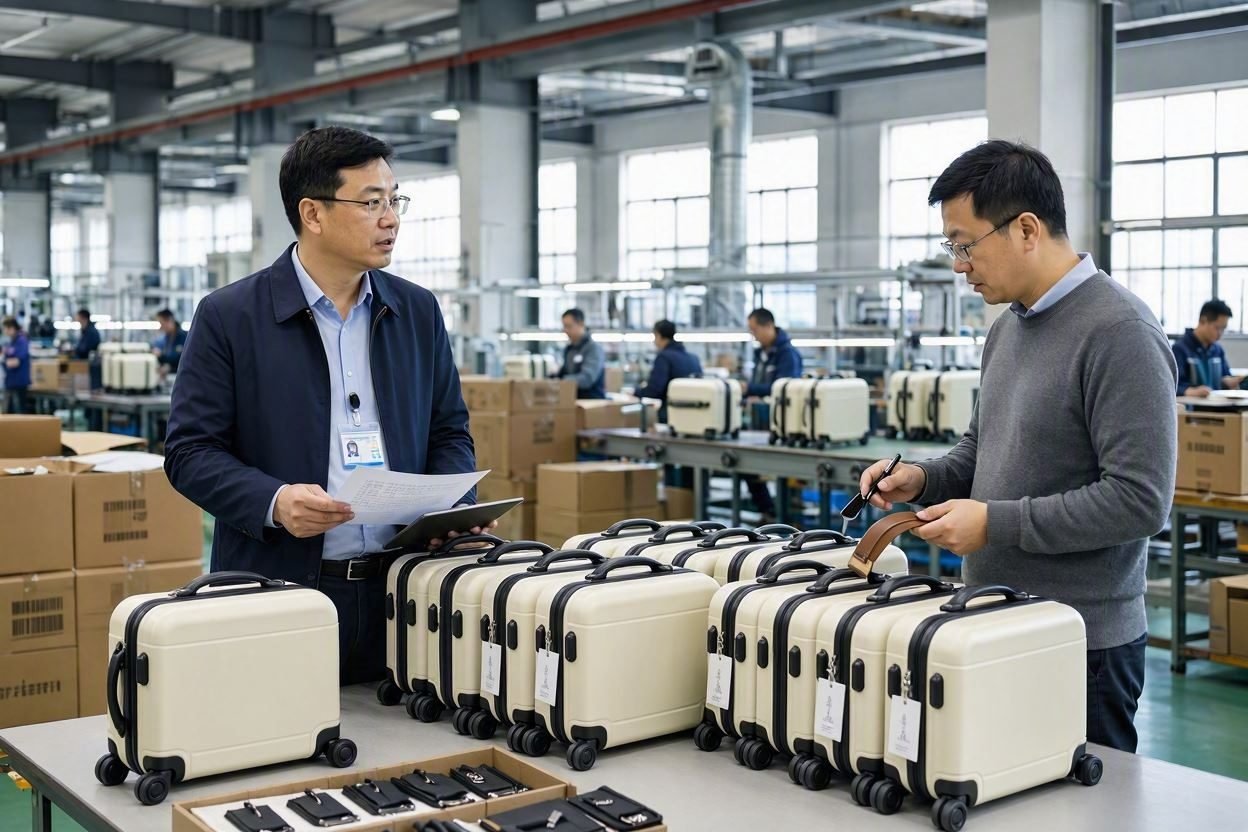
Navigating small-batch OEM trials isn’t about simply searching for the cheapest factory. Below, we'll break down how MOQ impacts pricing, lead time, and design flexibility—and how to identify suppliers best-suited for small-order luggage production.
Why does Low MOQ affect unit costs?
Small orders often trigger higher unit costs2, but understanding why can help you predict costs more accurately.
Unit costs are impacted by whether the supplier uses mixed production lines or dedicated tooling for smaller batches—some setups make trial orders more cost-efficient, while others cannot maintain competitive pricing.
How pricing structures adapt to smaller batches
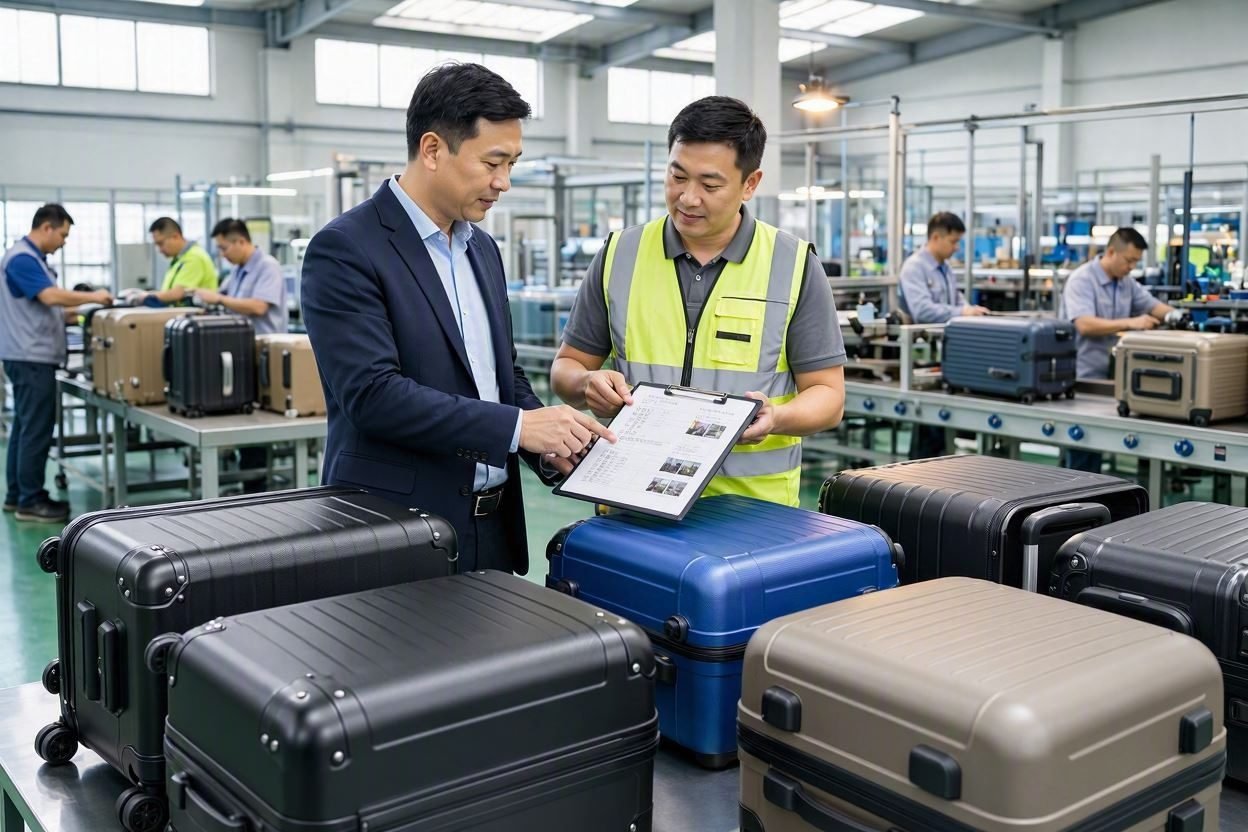
Low MOQ production doesn't always have to equal prohibitively high unit costs. Suppliers with mixed production lines often manage smaller orders by batching them with larger runs3 or using modular tooling systems that reduce per-unit overhead. Key factors include:
- Mixed production lines: Factories that combine small-batch orders with larger runs can spread setup costs across multiple clients.
- Fixed mold systems: If your luggage design requires new molds, this setup cost tends to dominate small-batch pricing. Modular molds, however, can significantly lower costs.
Here's an example comparison:
| Production Setup | Small Order Cost Impact | Ideal MOQ Range |
|---|---|---|
| Mixed production lines | Spread-out setup costs | 300–1000 units |
| Modular mold systems | Reduced tooling costs | 500–1500 units |
| Dedicated tooling for SKU | Higher upfront investment | 2000+ units |
Smaller orders typically raise unit prices because overhead like quality checks, packing materials, and factory setup doesn’t scale down proportionally4. When negotiating, it's essential to ask whether mixed production setups or cost-sharing methods apply to the quoted price.
Can Low MOQ orders still maintain quick lead times?
Buyers often assume smaller orders ship faster, but production queue placement and tooling requirements often matter more.
Low MOQ orders don't guarantee faster lead times because many suppliers prioritize larger orders5 or require additional time for tooling adjustments based on your design requests.
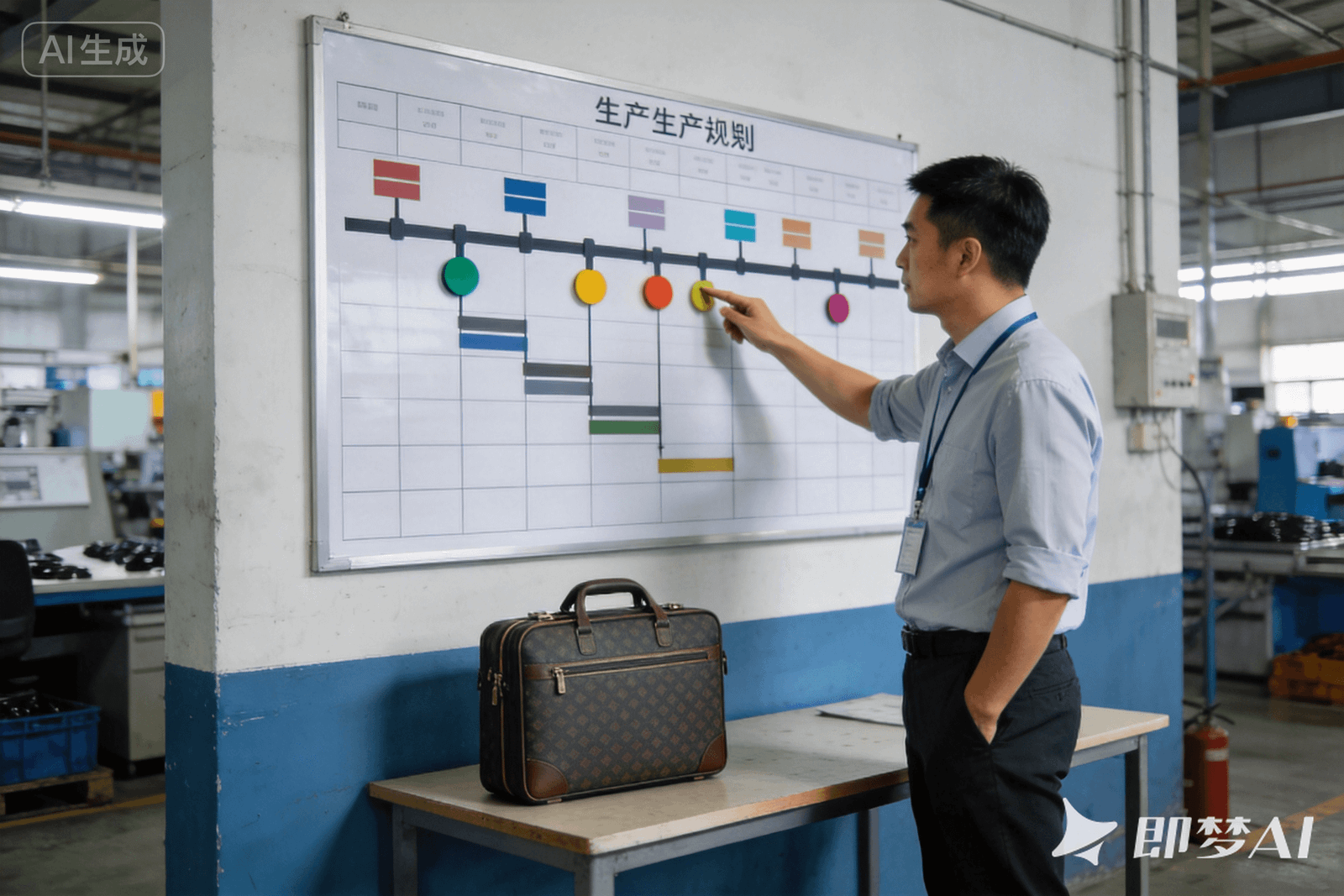
Lead time risks small-batch buyers face
When working with Low MOQ OEM suppliers, lead time depends heavily on factors like production cycles and batch adjustments. Potential bottlenecks include:
- Queue position: Suppliers may prioritize higher-volume orders ahead of small batches during peak seasons.
- Tooling adjustments: If your design requires new treatments or molds, this customization can delay production.
- Material sourcing: Smaller batches often involve unique material considerations, such as eco-friendly options or RPET fabric availability6.
When suppliers promise fast delivery, ask detailed questions. For instance, “Will tooling adjustments add time?” or “Can this material be ordered in smaller quantities without impacting lead time?” These questions reveal realistic timelines.
How much design flexibility is reasonable in Low MOQ luggage OEM?
Design flexibility doesn't mean unlimited customizations for small-batch orders. Instead, suppliers tend to limit adjustments based on cost feasibility and tooling capacity.
Small-batch luggage OEM allows design flexibility within constraints like existing molds, material availability, and surface treatment options7—but extensive design changes may drive costs or delay timelines.
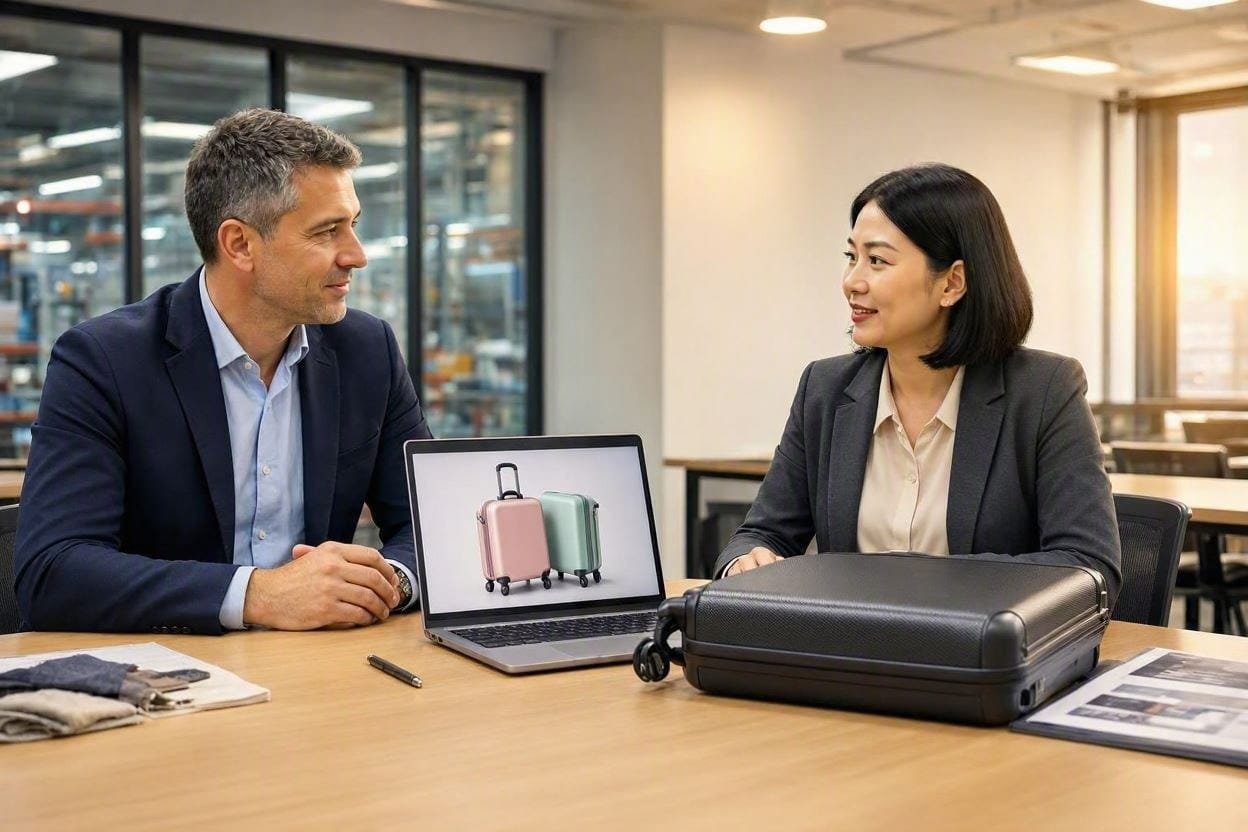
Balancing customization scope and MOQ
Not all design adjustments are practical below certain MOQ thresholds. Commonly negotiable changes include:
- Colors and finishes: Adjusting color schemes is straightforward with existing molds.
- Material upgrades: Switching to RPET, ABS+PC blends, or eco-friendly fabric options may impact pricing slightly but is typically feasible in low MOQ orders8.
- Logo placements: Logo additions via printing, embossing, or plating are often manageable.
However, extensive adjustments—like changing luggage dimensions or handle systems—require new tooling investments, which greatly impact feasibility and cost. The best suppliers clearly outline which design changes fit within the MOQ tier before sample confirmation.
How do I evaluate small MOQ supplier compatibility?
Choosing the wrong supplier can lead to unexpected trial costs, underdelivery, or compromised designs—but careful vetting reveals compatibility.
Reliable suppliers provide clear sample timelines, transparent payment terms, and a straightforward process for design adjustments, helping buyers avoid common pitfalls when placing low MOQ orders.

Key compatibility questions for suppliers
Start with these essential questions when evaluating suppliers:
- Sample turnaround time: Do they offer clear timelines? Reliable suppliers complete sample production in under 14 days9.
- Design adjustment flexibility: Can they tweak designs after initial confirmation without significantly raising MOQ?
- Payment terms suitability: Will full deposits be needed, or is staggered payment available?
- Material options: Are they open to sourcing eco-friendly or customized materials for trials?
A trustworthy supplier sets realistic production expectations, communicates MOQ-adjustment limitations openly, and avoids bait-and-switch tactics (e.g., quoting competitive pricing but renegotiating design fees later).
Frequently Asked Questions
What MOQ do most luggage OEM suppliers require?
Most luggage OEM suppliers require minimums between 500–1000 units for trial orders10. Smaller MOQs, such as 300 units, are rare but achievable with the right supplier relationships and modular setups.
Can design changes fit under a 300-unit MOQ?
Minor customizations like color adjustments or logo printing are often feasible under 300-unit MOQs11. Larger changes, such as altering mold dimensions, typically require higher order volumes.
Should I pay for samples separately for low MOQ orders?
Yes, sample costs are usually separate for low MOQ orders. Expect to pay sample fees ranging from $200–$500, depending on material and design complexity.
Conclusion
Low MOQ luggage OEM for small-batch export orders requires balancing unit costs, lead time, and design flexibility with supplier compatibility. Suppliers with modular production setups and clear communication make trial orders more feasible without sacrificing quality. If you're a brand buyer or retailer launching new luggage designs, aim to verify sample timelines, payment terms, and material availability upfront for a smoother procurement process.
Ready to explore tailored OEM solutions for your small-batch luggage needs? Get in touch—we specialize in coordinating suppliers who match your production goals effectively.
"Adaptive design methods in clinical trials – a review - PMC", https://pmc.ncbi.nlm.nih.gov/articles/PMC2422839/. Studies on small-batch manufacturing systems highlight modular production setups and adaptive design processes as key features for accommodating low MOQ orders. Evidence role: general_support; source type: research. Supports: The characteristics of low MOQ luggage OEM suppliers, including modular production systems and adaptive design flexibility.. Scope note: The findings may not apply universally across all luggage OEM suppliers. ↩
"Economies of scale", https://en.wikipedia.org/wiki/Economies_of_scale. Educational resources on manufacturing economics explain that smaller orders often lead to higher unit costs due to reduced economies of scale and fixed overhead distribution. Evidence role: mechanism; source type: education. Supports: The relationship between small order sizes and higher unit costs in manufacturing.. Scope note: The explanation may vary depending on the specific industry or production setup. ↩
"What is Mixed-Model Production?", https://glassdome.com/what-is-mixed-model-production/. Research on manufacturing strategies indicates that mixed production lines can optimize costs by combining small and large batch orders. Evidence role: mechanism; source type: research. Supports: The use of mixed production lines to manage small orders by batching them with larger runs.. Scope note: The effectiveness of this strategy may depend on the specific production setup and industry. ↩
"The effect of manufacturing overhead on policies for ...", https://scholarscommons.fgcu.edu/esploro/outputs/journalArticle/The-effect-of-manufacturing-overhead-on/99384044343306570. Educational materials on production economics explain that fixed overhead costs, such as quality checks and setup, disproportionately affect smaller orders. Evidence role: mechanism; source type: education. Supports: The disproportionate impact of overhead costs on small-batch production unit prices.. Scope note: The proportional impact may vary depending on the specific production environment. ↩
"Why Focusing on Lead Time, Not Just Efficiency and Cost ...", https://interpro.wisc.edu/lead-time-drives-manufacturing-success/. Studies on supplier behavior in manufacturing indicate that larger orders are often prioritized due to higher profitability and resource allocation efficiency. Evidence role: general_support; source type: research. Supports: The prioritization of larger orders over low MOQ orders by suppliers and its impact on lead times.. Scope note: The prioritization may vary depending on supplier policies and market conditions. ↩
"What is Sustainable Sourcing in Supply Chain Management?", https://haslam.utk.edu/gsci/news/what-is-sustainable-sourcing-in-supply-chain-management/. Research on sustainable manufacturing highlights the challenges of sourcing eco-friendly materials for small-batch orders, including RPET fabric. Evidence role: general_support; source type: research. Supports: The need for unique material considerations, such as eco-friendly options, in small-batch production.. Scope note: The availability of such materials may depend on regional supply chains and supplier capabilities. ↩
"The Complete Guide to Custom Leather Bags: Small Batch ...", https://mvabag.com/complete-guide-to-custom-leather-bags/. Studies on OEM manufacturing processes describe how design flexibility is often limited by existing molds and material availability in low MOQ orders. Evidence role: general_support; source type: research. Supports: The design flexibility and constraints in small-batch luggage OEM production.. Scope note: The constraints may vary depending on supplier capabilities and production technologies. ↩
"Mitigating Composition Variability in Post-Industrial PC/ABS ...", https://pmc.ncbi.nlm.nih.gov/articles/PMC12608508/. Research on sustainable materials in manufacturing suggests that RPET and ABS+PC blends are increasingly feasible for small-batch production, with moderate cost impacts. Evidence role: general_support; source type: research. Supports: The feasibility of using RPET, ABS+PC blends, or eco-friendly fabrics in low MOQ luggage production.. Scope note: Feasibility may depend on supplier expertise and regional material availability. ↩
"OEM Manufacturing Lead Time Explained: Timeline ...", https://thacoindustries.com/en/lead-time-on-oem-manufacturing/. Industry reports on OEM manufacturing suggest that reliable suppliers often complete sample production within 14 days, depending on design complexity. Evidence role: general_support; source type: research. Supports: The typical sample production timeline for reliable suppliers in low MOQ manufacturing.. Scope note: Timelines may vary based on supplier capacity and order specifications. ↩
"Purchasing DIRECTIVES", https://www.flcourts.gov/content/download/219276/file/purchasingdirectives.pdf. Surveys of luggage OEM suppliers indicate that minimum order quantities for trial orders commonly range between 500 and 1000 units. Evidence role: statistic; source type: research. Supports: The typical MOQ range for luggage OEM suppliers in trial orders.. Scope note: The MOQ range may vary depending on supplier policies and production setups. ↩
"Low MOQ Private Label Clothing: 7 Smart Proven Insights", https://ninghow.com/blog/low-moq-private-label-clothing-guide/. Research on small-batch production suggests that minor customizations, including color and logo adjustments, are often feasible for orders as low as 300 units. Evidence role: general_support; source type: research. Supports: The feasibility of minor customizations, such as color adjustments and logo printing, in low MOQ orders.. Scope note: Feasibility may depend on supplier capabilities and customization complexity. ↩