


Before you send a deposit to a supplier, you face the risk of payment disputes, reliability concerns, and production delays. Asking the right questions upfront can significantly reduce these risks. Let's explore the essential questions you should ask to safeguard your investment and ensure smoother procurement outcomes.
Before sending a deposit to a supplier, ask about their track record, production capacity, and financial stability. Verify quality benchmarks, timelines, and inspection protocols while negotiating clear deposit terms tied to production milestones. These steps reduce risks related to payment disputes, supplier unreliability, and delivery delays.

It’s critical to approach this process thoughtfully. The right questions uncover potential red flags early, saving time, money, and frustration. Below, I’ll walk you through the key considerations to address during supplier evaluation.
What is the supplier's track record and financial stability?
Suppliers may offer competitive prices, but are they financially sound? What about their past performance? These questions lay the foundation for buyer confidence.
Ask suppliers for their company history, financial health documentation, and references from past clients. Reviewing this information mitigates risks of dealing with unstable or unproven suppliers.
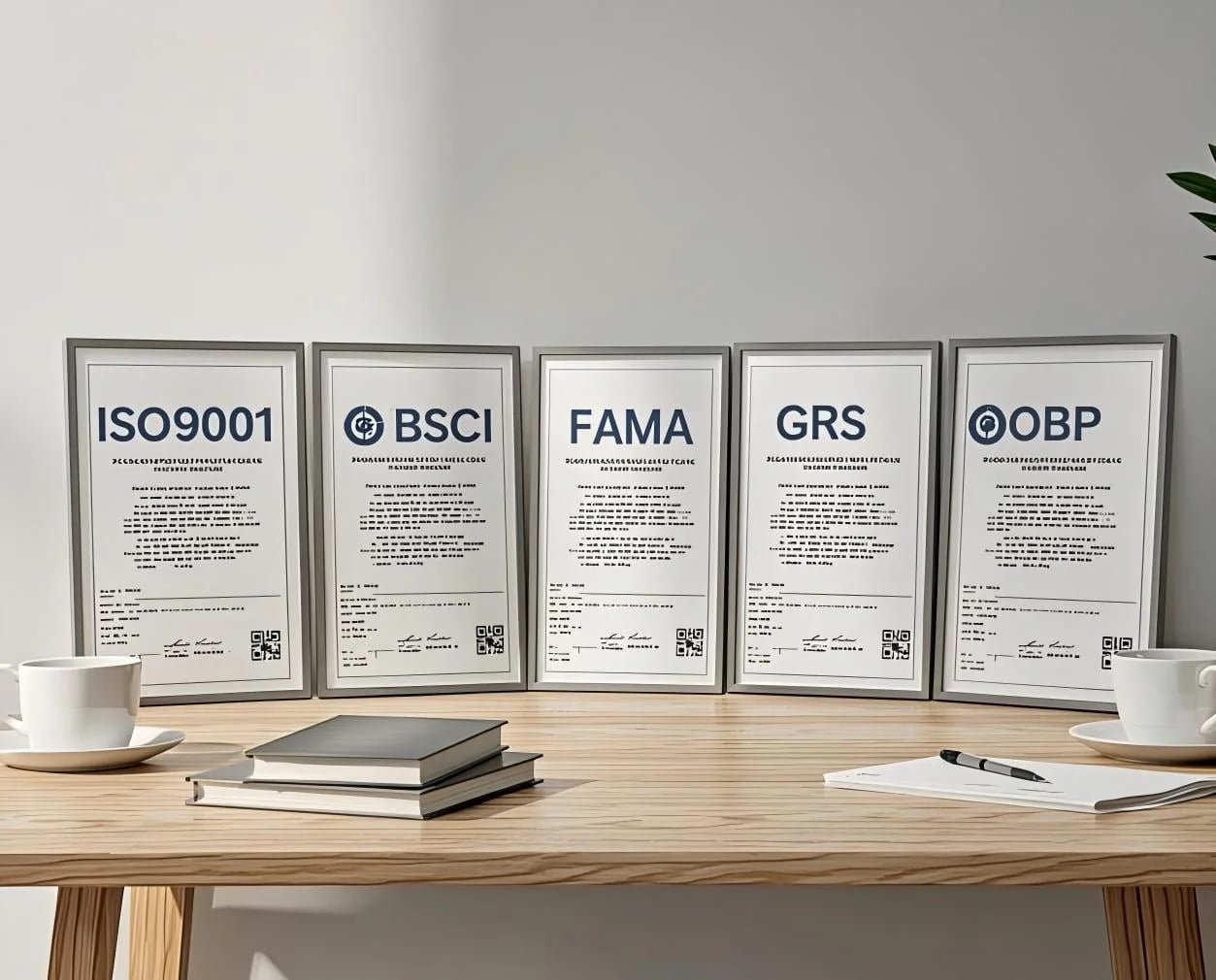
A supplier’s operational history speaks volumes about their reliability. While evaluating this, focus on the following:
- Client references: Ask for at least 2–3 references from companies in your industry.
- Export certifications and registration: Ensure the supplier is legally registered and has documentation that supports their claims of compliance.
- Payment terms and financial standing: Request bank account details or payment assurance certificates to verify their solvency.
If financial transparency is limited, that’s a red flag. Unstable suppliers may struggle to fulfill orders or meet deadlines, risking delays and disputes.
What are the quality benchmarks the supplier adheres to?
Substandard quality can result in rejected shipments—that’s why you need to clearly define quality benchmarks upfront.
Request sample evaluations, certifications, and inspection reports to verify whether the goods align with your brand’s standards. Use these benchmarks during production to ensure compliance.
Quality begins with good communication. During discussions:
- Define product specifications, such as materials, dimensions, and finish.
- Ask about the supplier’s approach to quality inspections—do they conduct third-party tests or internal audits?
- Verify certifications, especially if specific standards like REACH or ISO are required for your market.
Pre-production sample testing is critical. If these samples fail to meet your expectations, renegotiation or moving on is often better than risking downstream customer dissatisfaction.
Are the production timelines realistic?
Unrealistic timelines lead to frustration for both parties. Ensuring operational capacity and honest deadlines are key steps in avoiding delivery delays.
Ask the supplier about their typical lead times for similar orders and any potential bottlenecks in the production process. Verify their manufacturing capacity before committing to timelines.
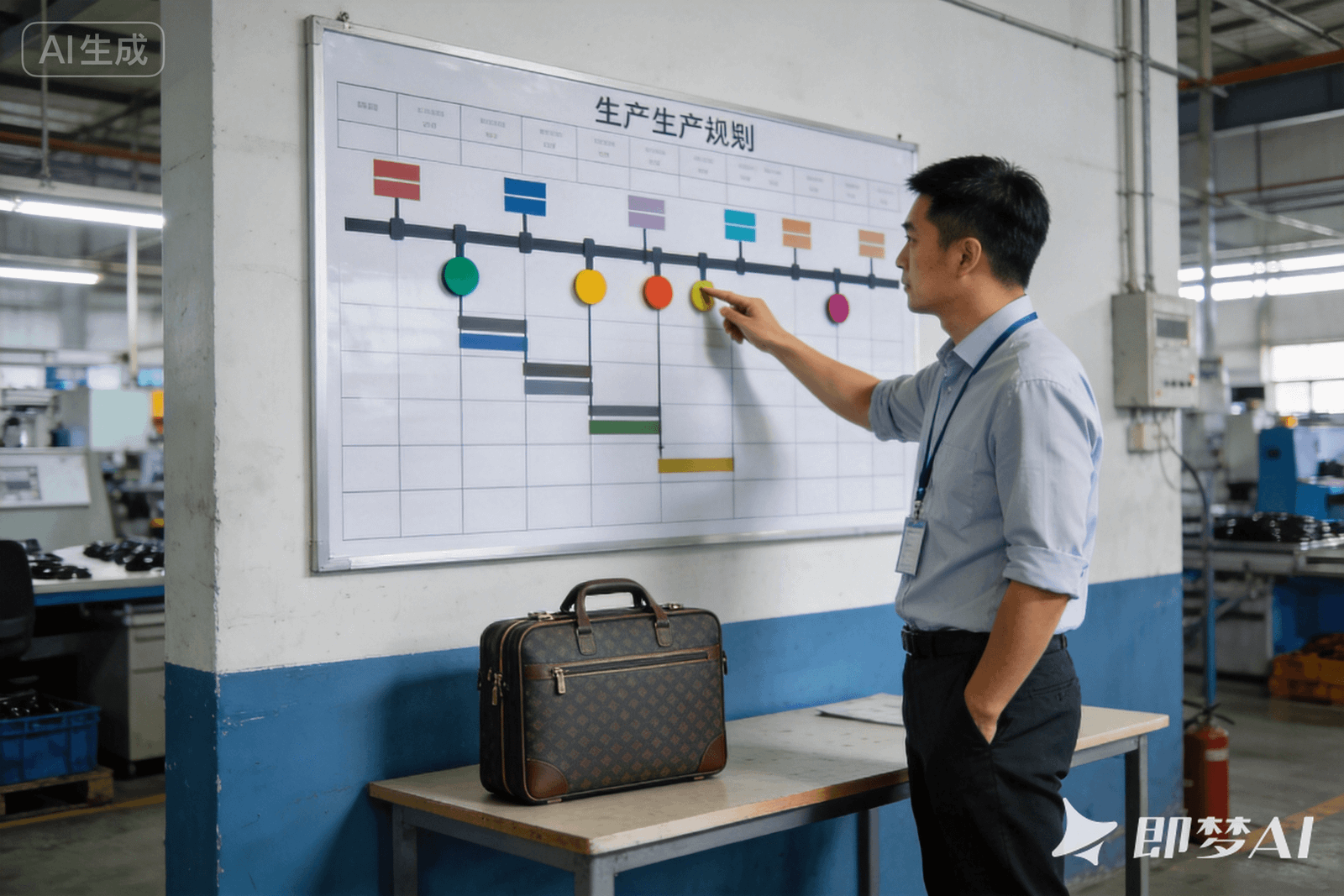
In your inquiries, focus on what can genuinely impact production schedules:
- Holiday interruptions: For instance, Chinese factories often pause operations during national holidays like Lunar New Year.1
- Subcontracting: Clarify whether part of the production is outsourced, which can introduce delays.
- Flexibility with rush orders: Inquire whether expedited production is feasible and at what cost.
Suppliers who are transparent about production bottlenecks demonstrate professionalism. Unrealistic commitments may signal they’re telling you what you want to hear rather than being truthful.
What are the deposit and refund terms?
Deposits protect suppliers from risks but also expose buyers—why? Terms like non-refundable deposits can lead to disputes if deliveries don’t pan out as promised.
Negotiate deposit terms tied to milestones, such as raw material procurement, production starts, or quality inspections. Ensure refund clauses are documented to minimize disputes.

Specific questions to ask include:
- What percentage deposit does the supplier require? Common ranges are 20–30%, but ask why the supplier requests a specific amount.
- Are there refund provisions if the supplier fails to meet agreed-upon terms (e.g., delivery delays or non-compliance)?
- Will payment structures align with production stages? Real-time cost billing often reduces disputes since buyers pay incrementally instead of lump sums.
Having these terms documented reduces guesswork. Should disputes arise down the road, clearly defined agreements backed by contracts offer buyers leverage.
What inspection protocols are in place?
Without strict inspection protocols, buyers risk accepting defective goods—and supplier assurances often aren’t enough.
Ask about inspection procedures before, during, and after production. Discuss whether third-party inspection services can be implemented to guarantee batch quality.2
Essential considerations include:
- Pre-shipment inspections: Do they allow batch checking before goods leave their facility?
- Third-party auditors: Verify third-party inspectors with reputations for unbiased evaluations (e.g., SGS or Bureau Veritas).
- Inspection coverage: Clarify the scope—is it overall sampling or in-depth evaluation of every product?
Furthermore, build inspection schedules into the agreement. If QC reports reveal non-conformance, negotiate backup production clauses to rectify issues without cost escalation.
Frequently Asked Questions
Why is a contract not enough to guarantee deposit safety?
Contracts formalize agreements but don’t eliminate payment risks. Suppliers can still underdeliver or misrepresent terms. Vetting their financial stability and operational capacity adds layers of security.
What are the signs of an unreliable supplier?
Common red flags include inconsistent communication, refusal to provide certifications or references, lack of detailed timelines, and rigid payment or refund policies skewed toward supplier benefits.
How can buyer-supplier disputes over deposits be resolved?
To reduce disputes, document mutually approved deposit terms in writing3, clarify refund conditions, and have milestone-based payment structures. Should disputes arise, third-party arbitration may help resolve claims.4
Are third-party inspections mandatory for international buyers?
Not mandatory, but highly recommended. Third-party inspections ensure unbiased evaluations, verifying compliance to buyer specifications where suppliers may compromise.
How much deposit should I expect to pay upfront?
Deposits often range from 20% to 30% of the total order value.5 Larger orders with long-term contracts may offer wiggle room for lower percentages.
Conclusion
Sending a deposit to a supplier involves significant risk—especially for international transactions. Mitigating these risks begins with asking the right questions. By verifying track records, confirming realistic timelines, and formalizing deposit milestones, buyers can minimize disputes and safeguard their investments. The key to successful supplier relationships lies in diligence, transparency, and mutually beneficial agreements. Whenever possible, involve professionals in supplier evaluation to ensure accuracy.
If you’re seeking a travel goods supplier with a proven history and professional oversight for every stage of production, get in touch today to discuss your business needs!
"Chinese New Year and its Impact on Global Supply Chain", https://ctl.mit.edu/news/chinese-new-year-and-its-impact-global-supply-chain. Encyclopedic entries on Chinese national holidays confirm widespread factory closures during Lunar New Year. Evidence role: historical_context; source type: encyclopedia. Supports: Chinese factories often pause operations during Lunar New Year.. Scope note: The extent of closures may vary by region and industry. ↩
"External inspection of compliance with standards for improved ...", https://pmc.ncbi.nlm.nih.gov/articles/PMC6464009/. Institutional reports on quality assurance detail the role of third-party inspections in maintaining compliance with buyer specifications. Evidence role: mechanism; source type: institution. Supports: Third-party inspections are effective in ensuring batch quality and compliance.. Scope note: Reports may focus on specific industries or inspection agencies. ↩
"Example of an Alternative Dispute Resolution Clause", https://ppp.worldbank.org/ppp-overview/practical-tools/checklists-and-risk-matrices/dispute-resolution-checklist-example. Research on contract management highlights the role of documented deposit terms in minimizing disputes. Evidence role: general_support; source type: research. Supports: Written deposit terms help reduce disputes in supplier agreements.. Scope note: The research may focus on specific types of contracts or industries. ↩
"WIPO Arbitration Case Examples", https://www.wipo.int/en/web/amc/arbitration/case-example. Institutional case studies document successful resolutions of procurement disputes through third-party arbitration. Evidence role: case_reference; source type: institution. Supports: Third-party arbitration can effectively resolve buyer-supplier disputes.. Scope note: Case studies may not represent all dispute types or arbitration methods. ↩
"Deposits and Real Estate Contracts", https://www.nationalparalegal.edu/Deposits.aspx. Research on supplier agreements indicates that deposit percentages typically fall within the 20–30% range for most industries. Evidence role: statistic; source type: research. Supports: Deposits commonly range from 20% to 30% of the total order value.. Scope note: The range may vary depending on industry and order size. ↩