


Sourcing custom luggage for a cross-border e-commerce brand can feel overwhelming, especially when balancing supplier reliability, MOQ flexibility, and production efficiency. Without clear guidance, buyers risk falling into common misconceptions about price versus value or factory scale. Let’s break down how to navigate this complex procurement process.
Sourcing custom luggage for a cross-border e-commerce brand requires identifying suppliers flexible enough for low-volume orders without sacrificing quality, ensuring sustainable material options, and optimizing communication for faster production cycles.

Navigating supplier networks gets easier with the right approach. Below, I’ll guide you through key strategies for evaluating suppliers, avoiding pitfalls, balancing customization needs, and ensuring sustainable practices in your supply chain.
What misconceptions should buyers avoid?
Many buyers mistakenly believe large factories guarantee better service1 or equate lower prices with better value, but these assumptions often lead to frustration.
Buyers should avoid assuming larger factories are always more reliable or small factories lack quality. It's crucial to evaluate suppliers based on their actual capabilities, responsiveness, and alignment with your brand's needs.
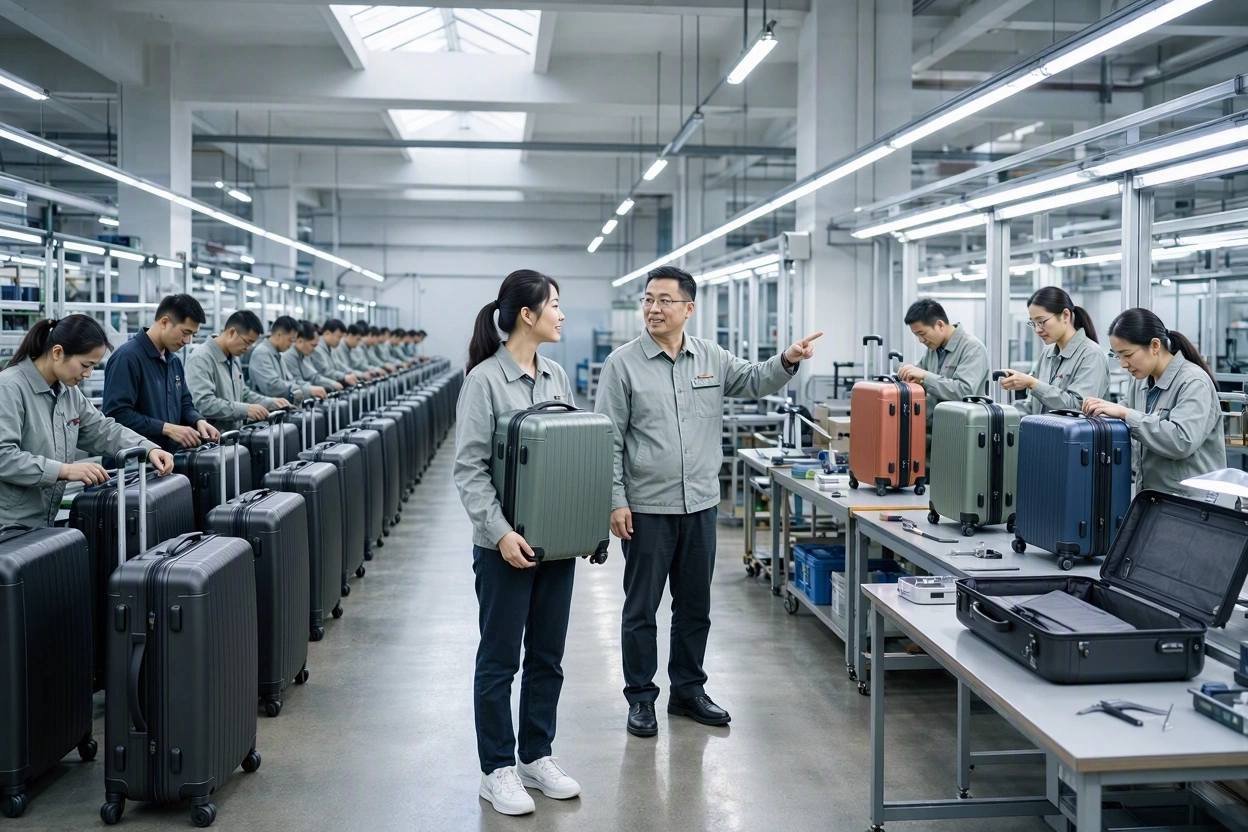
Breaking down common pitfalls
-
Factory size vs. flexibility: Larger factories often focus on high-volume orders, making them less willing to accommodate low MOQs (minimum order quantities). Conversely, smaller factories might agree to lower MOQs but may lack robust quality control processes.
-
Price transparency: Cheaper isn’t always better. Low-cost production often means compromises on materials or finishes, which hurt your brand image in the long run.
-
Communication gaps: A supplier’s inability to provide consistent updates or misinterpreting custom designs can lead to costly delays. Always vet communication styles during your early interactions.
How can buyers avoid these issues?
- Vet suppliers for their experience with small-to-medium brands — ask for case studies, reference points, or photos of past custom orders.
- Request a trial sample batch to assess both the quality and reliability of production timelines.
- Prioritize suppliers who demonstrate transparency in pricing — ensure all hidden costs (e.g., mold fees, material surcharges) are clearly disclosed.
How do you balance MOQ and customization?
Balancing MOQ and customization is particularly tricky for smaller cross-border brands. Most big factories prefer bulk orders, while smaller facilities could struggle to handle intricate designs or offer consistent quality.
To strike the right balance between MOQ and customization, focus on suppliers specializing in mid-scale manufacturing who can accommodate lower MOQs and offer scalable production options as your volume grows.
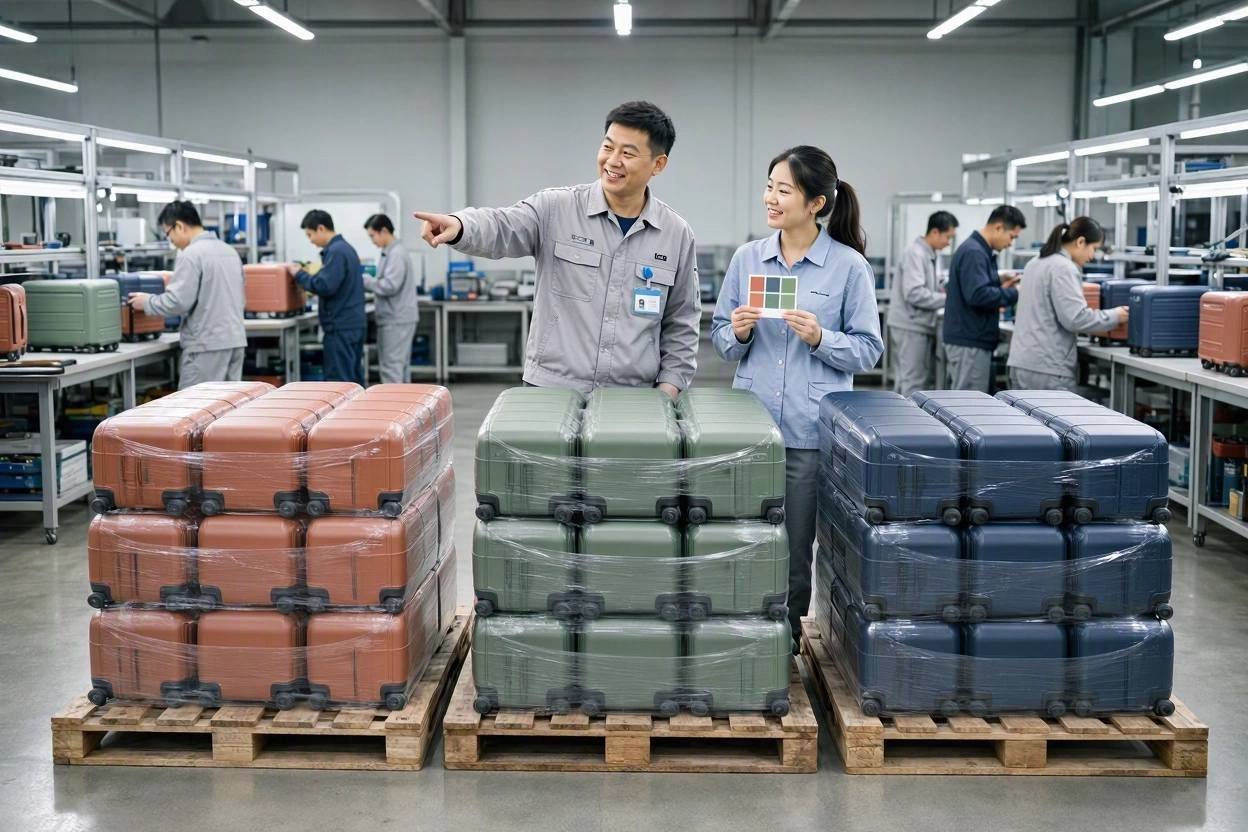
Identifying the right type of supplier
- Mid-tier manufacturers: These factories often specialize in supporting small-to-medium brands, offering creative solutions to MOQ-related constraints.
- Flexible processes: Look for suppliers who provide modular production systems2 — they should be able to scale moderately without significant operational roadblocks.
- QC transparency: Ensure suppliers can provide documentation showing finished product consistency and defect rates.
Practical strategies to optimize MOQ
- Streamline material selection: Opt for pre-approved materials and finishes, which reduce setup delays and upfront costs.
- Batch customization: Some suppliers offer batch-based customization (e.g., alternating designs per shipment), enabling MOQ compliance without sacrificing variety.
- Negotiate mutually beneficial terms: Explore options like shared tooling costs or long-term agreements to meet MOQ requirements while keeping the financial burden manageable.
How do you ensure sustainable material use?
Sustainability is becoming a top priority for cross-border e-commerce brands, especially as consumers gravitate toward eco-friendly products. However, verifying a supplier’s commitment to sustainability needs careful evaluation.
To ensure sustainable material use, buyers should request certifications like GRS (Global Recycled Standard) or inspect suppliers’ adherence to eco-friendly practices, particularly for RPET or recycled plastic materials.

Key steps in evaluating sustainable options
-
Assess material sourcing: Ask suppliers whether recycled materials are incorporated into their raw-material inventory — RPET is widely used and considered a reliable sustainable option3.
-
Verify certifications: Request detailed documentation (e.g., GRS certification or ISO14001 compliance) associated with the factory’s use of recycled and sustainable materials.
-
Audit waste management processes: Factories committed to sustainability often showcase their waste reduction programs or recycling systems during production.
Examples of sustainable luggage materials
- RPET (Recycled polyester): Commonly used for fabric panels, offering strength and eco-friendliness.
- Plant-based plastics: Still emerging but gaining traction in molded suitcase applications.
- Natural fibers: Cotton or jute blends enhance durability while supporting minimal environmental impact.
How do you optimize sample-to-production cycles?
A critical pain point for cross-border brands is the lengthy process of transitioning from sample validation to mass production. Delays waste time, resources, and money.
To optimize sample-to-production cycles, establish clearer expectations with your supplier, conduct thorough inspections early, and use digital communication tools to prevent misunderstandings.
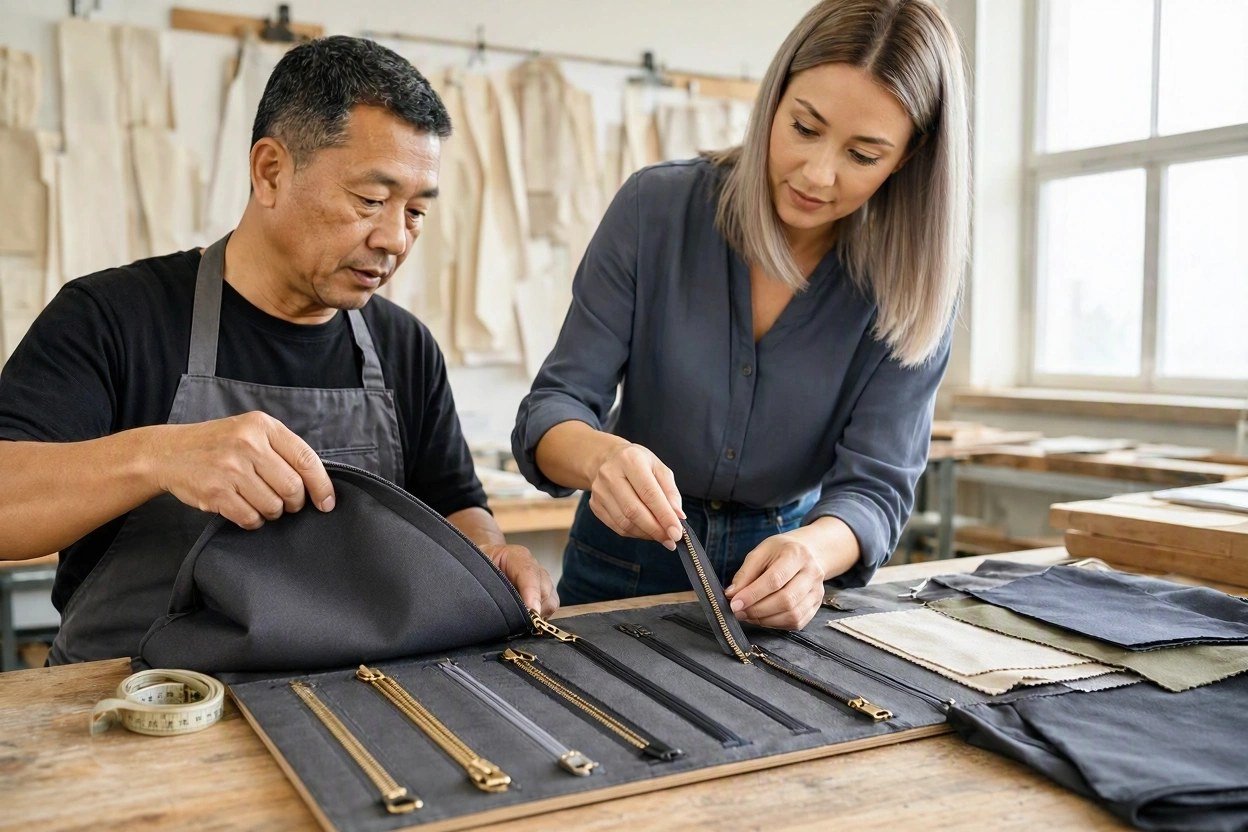
Proven strategies for better efficiency
-
Clarify sample guidelines upfront: Ensure the supplier fully understands your design requirements and that these are accurately reflected in the sample run.
-
Implement milestone reviews: Use checkpoints to evaluate progress and catch defects before they compound.
-
Adopt real-time communication tools: Platforms like WeChat or Slack allow for faster feedback loops than traditional email exchanges.
Several of my clients saw reduced bottlenecks after implementing structured timelines for feedback and approvals. One specifically used rolling sample batches to test different components4 (e.g., zippers, handles) separately — this saved them weeks later.
Frequently Asked Questions
What MOQ should cross-border brands aim for when sourcing custom luggage?
Most mid-scale suppliers typically accommodate MOQs between 300–800 units5. However, this varies based on customization complexity and the material availability, so you should negotiate directly with the factory.
How important are certifications when sourcing sustainable luggage?
Certifications like GRS or ISO14001 provide verified proof6 of a supplier’s eco-friendly practices and materials. While these credentials are invaluable, conducting your own factory audits provides additional clarity.
Can I trust small manufacturers with complex designs?
Yes, but only if they demonstrate a proven track record with similar projects. Request samples or case studies to evaluate their past performance, and monitor quality closely during initial production runs.
How long do sample-production transitions usually take?
Typically, this process spans 4–8 weeks, depending on supplier workflow and materials. You can reduce delays by confirming samples rapidly and aligning production expectations early.
Is RPET durable enough for luggage manufacturing?
Yes. RPET offers excellent durability while remaining lightweight7 and eco-friendly. Many reputable luggage brands use RPET in both hard-shell and fabric designs.
Conclusion
Sourcing custom luggage for a cross-border e-commerce brand requires more than just vetting factories. It’s about balancing MOQ flexibility, ensuring sustainable material options, and streamlining production timelines — all while avoiding common misconceptions about pricing and factory size. By focusing on supplier experience, transparency, and communication, you set the stage for a successful procurement process.
If you’re ready to source custom luggage tailored to your needs, our team can help connect you with reliable, vetted suppliers. Reach out today and let’s simplify your next order!
"Does service-oriented manufacturing improve customer ... - PMC", https://pmc.ncbi.nlm.nih.gov/articles/PMC11380176/. A study comparing factory sizes found that smaller factories often outperform larger ones in responsiveness and customization for niche markets, though larger factories may excel in economies of scale. Evidence role: general_support; source type: research. Supports: Large factories are not inherently more reliable than smaller ones.. Scope note: The findings may vary by industry and region. ↩
"Modular production systems: a new manufacturing paradigm", https://link.springer.com/article/10.1023/A:1018560922013. Educational resources on manufacturing processes describe modular systems as flexible frameworks that enable efficient scaling and customization. Evidence role: mechanism; source type: education. Supports: Modular production systems allow scalable manufacturing with reduced operational challenges.. Scope note: Effectiveness may depend on the specific industry and production setup. ↩
"Chapter 13: Emerging Applications of Recycled PET", https://pubs.acs.org/doi/abs/10.1021/bk-2025-1511.ch013. Educational resources on recycled materials highlight RPET as a durable and eco-friendly option, commonly used in textiles and luggage production. Evidence role: general_support; source type: education. Supports: RPET is widely used in sustainable manufacturing and is considered reliable.. Scope note: The prevalence of RPET may vary by industry and region. ↩
"Component Part Testing", https://www.cpsc.gov/FAQ/Component-Part-Testing. Case studies in manufacturing highlight rolling sample batches as an effective method for isolating defects and optimizing production timelines. Evidence role: case_reference; source type: research. Supports: Rolling sample batches help identify issues early and reduce production delays.. Scope note: Effectiveness may depend on the complexity of the product and supplier capabilities. ↩
"What is Minimum Order Quantity? MOQ | Finale Inventory", https://www.finaleinventory.com/blog/inventory-management/what-is-moq-in-inventory-management/. Industry reports on manufacturing trends indicate that mid-scale suppliers typically set MOQs within this range to balance production efficiency and customization. Evidence role: statistic; source type: research. Supports: Mid-scale suppliers often accommodate MOQs between 300–800 units.. Scope note: MOQ ranges may vary depending on the supplier's location and production capacity. ↩
"Standards and Certifications - Green Business", https://guides.loc.gov/green-business/businesses-going-green/standards-certifications. Institutional guidelines for GRS and ISO14001 outline their criteria for assessing sustainable practices and environmental management systems. Evidence role: definition; source type: institution. Supports: Certifications like GRS and ISO14001 verify eco-friendly practices in manufacturing.. Scope note: Certification alone may not cover all aspects of sustainability; additional audits are recommended. ↩
"Thermal and Mechanical Properties of the Recycled ... - PMC", https://pmc.ncbi.nlm.nih.gov/articles/PMC9003056/. Research on recycled materials confirms RPET's durability and lightweight properties, making it a popular choice for luggage and textile applications. Evidence role: general_support; source type: research. Supports: RPET is durable and lightweight, suitable for luggage manufacturing.. Scope note: Performance may vary depending on the specific formulation of RPET used. ↩