

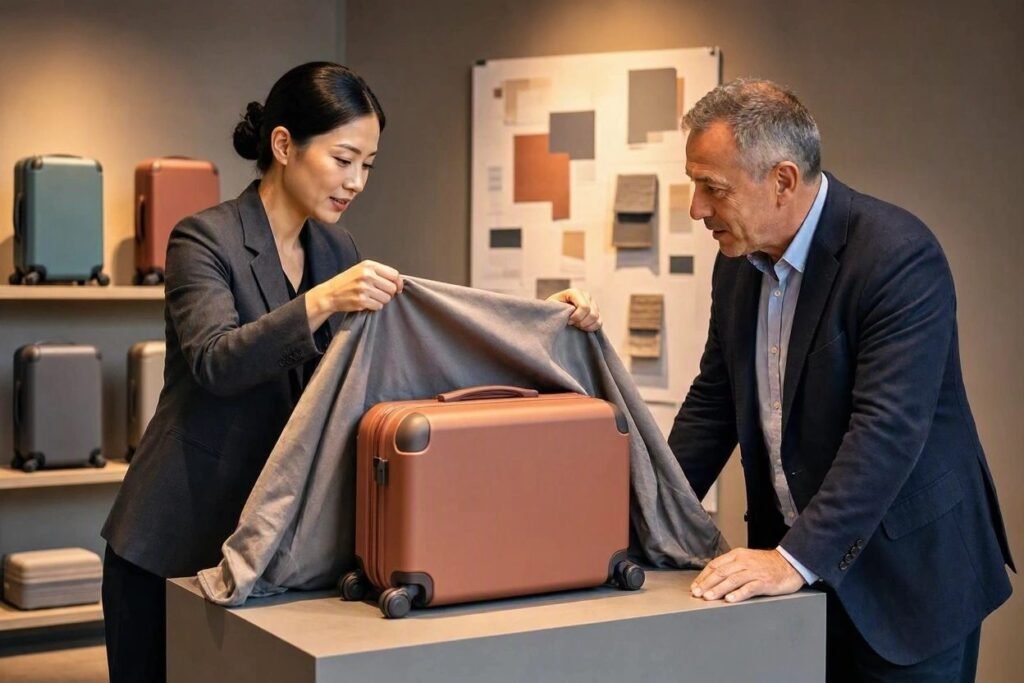
Staying ahead in the competitive luggage market means more than just reacting to trends; it means anticipating them. Relying solely on big-brand designs or trade show observations often leaves buyers a step behind. Instead, savvy buyers must leverage proactive strategies to secure early access to trend-driven luggage designs—and this starts with informed, insider approaches.
To access trend-driven luggage designs early, buyers should blend direct supplier communication, proactive trade show engagement, and partnerships with design-forward manufacturers who prioritize trend anticipation. This approach ensures you don’t just follow trends—you lead with them.
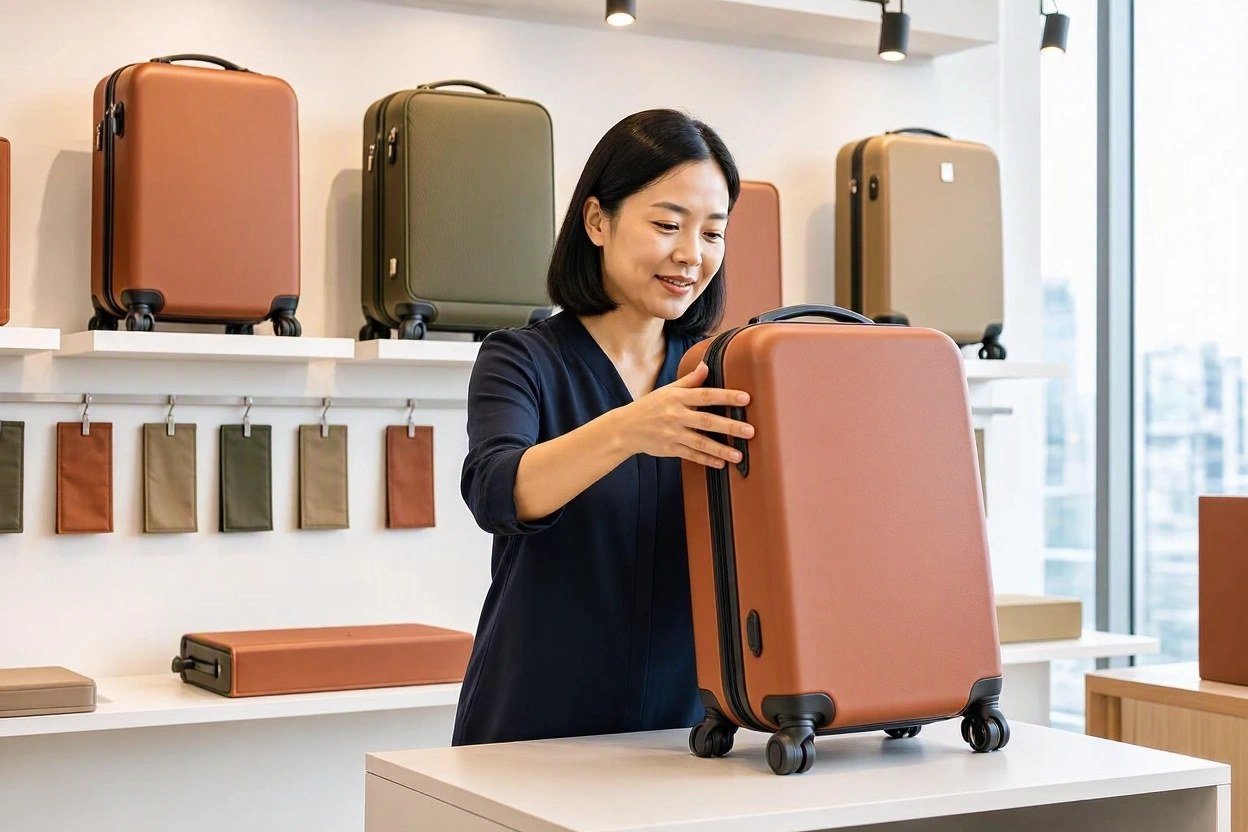
This article outlines actionable strategies drawn from real-world experience. Let’s explore how trade shows, buyer-supplier collaboration, and in-house design teams can elevate your trend positioning.
Why isn’t observing big brands or visiting trade shows enough?
Many buyers assume that monitoring established brands’ collections or attending trade shows will keep them trend-relevant. While both methods are helpful, relying on them exclusively can lead to delayed product launches or missed opportunities.
Big brand designs and trade shows provide clues, not competitive advantages.1 By the time trends are visible at this level, the market has already moved forward.

Staying one step ahead of visible trends
Big brands have longer lead times and deep resources, so their trend-forward collections often reflect insights they’ve sourced months or even years prior. By the time those designs hit the shelves (or trade show floors), emerging trends are already evolving. Simply mimicking these ideas puts you in a reactive—not competitive—position.
Instead, treat trade shows and big brands as touchpoints. Use them to validate trends already in motion, not as your sole source of inspiration. To truly get ahead, combine these signals with deeper resources, such as ongoing supplier collaboration and early-stage design exploration.
How can direct supplier communication drive design trends?
Early access often requires faster, more tailored feedback loops than observational methods allow. Proactively communicating with suppliers is a critical, underutilized tactic for staying ahead of design trends.
By engaging with suppliers directly, you can align their design capabilities with your unique market needs while capturing fresh ideas before competitors do.
The power of two-way communication
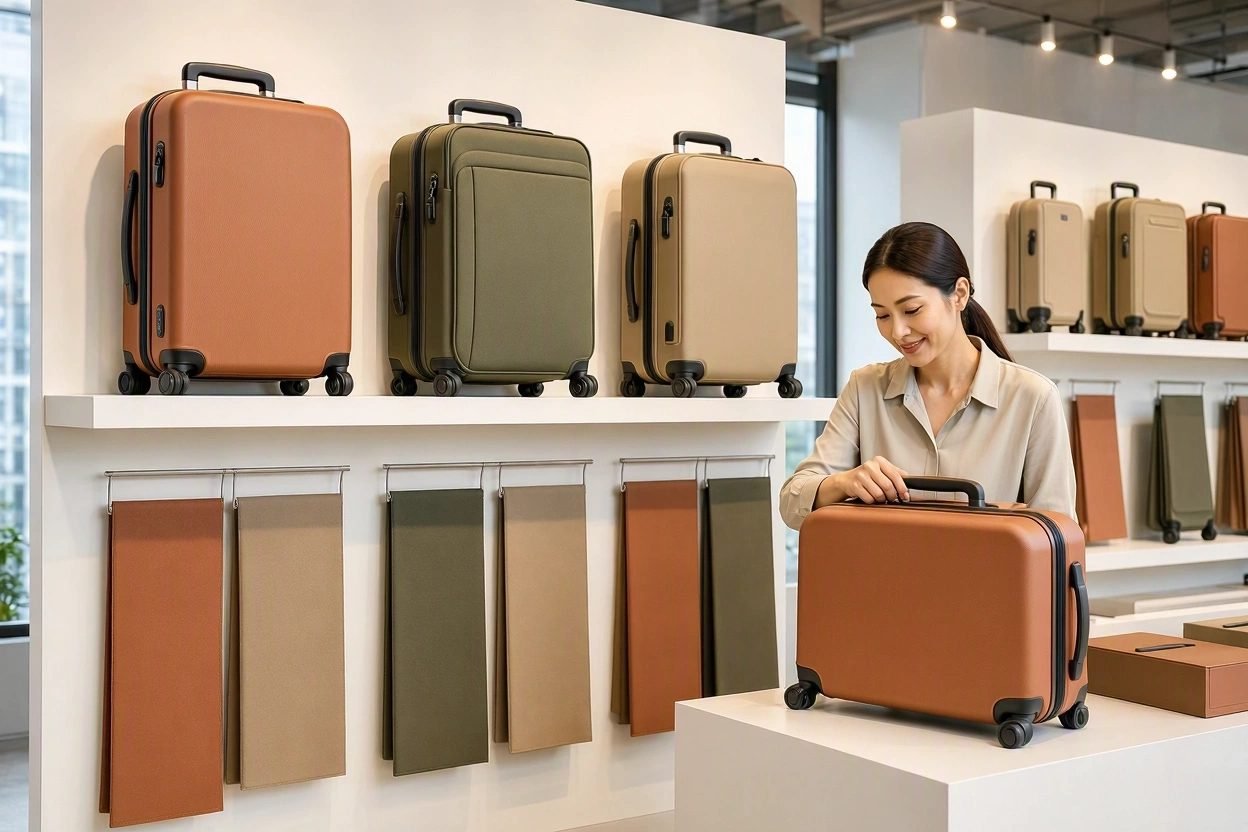
Experienced suppliers aren’t just manufacturers; they’re trend watchers too.2 When you converse openly about emerging customer preferences or niche market gaps, you’ll often find that they’re already brainstorming ways to incorporate those insights into new designs. Sharing data like sales feedback or regional-specific styles adds mutual value, encouraging suppliers to prioritize you in their trend launches.
For instance, I’ve collaborated with buyers who provided early input on color trends based on regional markets (e.g., earth tones for sustainable branding initiatives). Together, we co-developed product ideas months before competitors began replicating similar styles.
What role do trade shows play in early trend identification?
Trade shows remain an indispensable tool—not for following existing trends, but for identifying the whispers of what's to come.
Use trade shows to spot emerging materials, collaborate with design-focused exhibitors, and network with suppliers who prioritize innovation.
How to maximize trade shows effectively
Approaching trade shows with a strategic mindset can yield forward-thinking results:
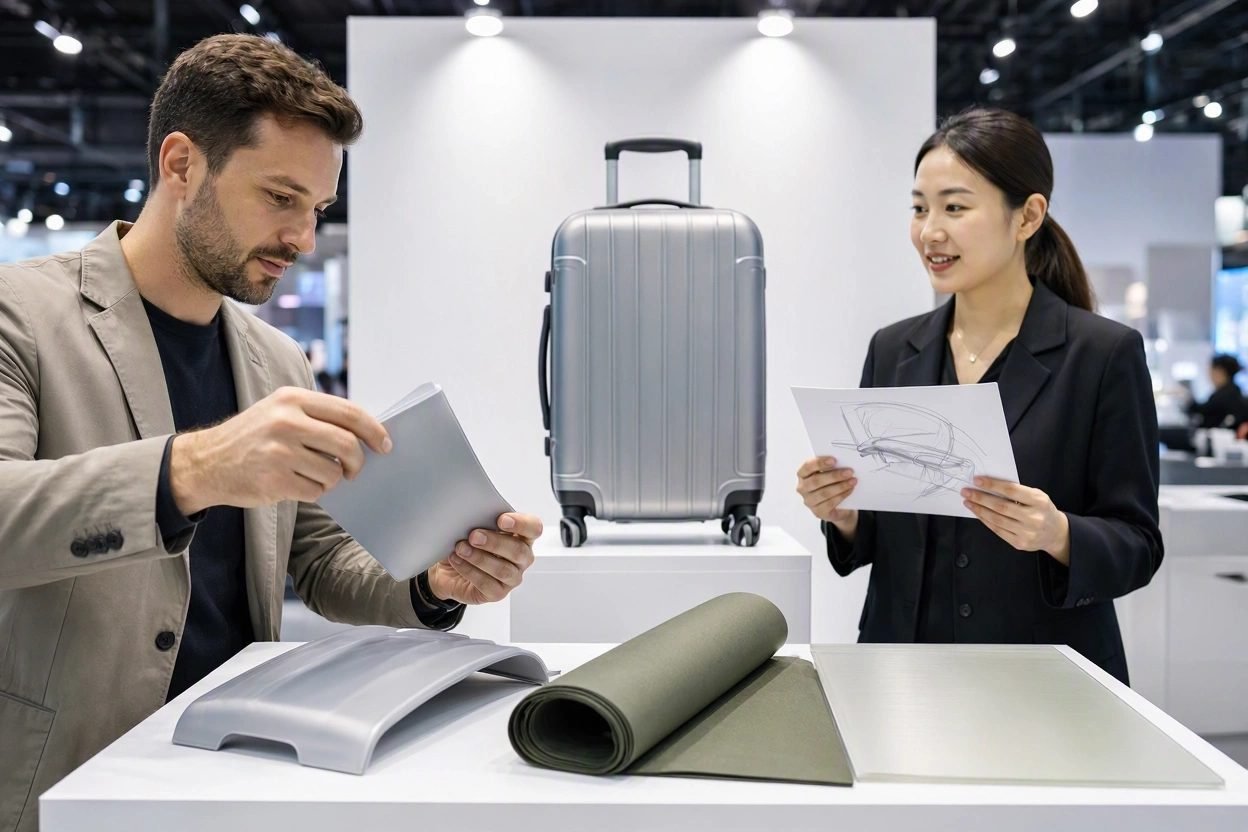
- Look for material innovations. What new components—such as lightweight PC blends or recycled RPET fabrics—are exhibitors showcasing? Materials often signal trends before design finishes do.
- Seek proactive exhibitors. Some suppliers bring early prototypes or concept visuals to gauge buyer interest.3 Take time to discuss these options and express interest in exclusivity on promising designs.
- Diversify your booth visits. Don’t only visit large, established suppliers. Startups or smaller niche suppliers often take greater design risks, showcasing ideas on the cutting edge of innovation.
Through firsthand experience, I’ve noticed that smaller, eco-conscious suppliers often pilot sustainable luggage ideas, such as fully recyclable PP suitcase shells, long before larger brands integrate similar features.
How does an in-house design team accelerate access to trends?
One of the most effective ways to stay ahead is by partnering with suppliers who have internal design teams. These teams can transform abstract trend signals into targeted, ready-to-produce concepts.
Design-savvy suppliers don’t just follow trends—they create collections aligned with your market’s needs, giving you first-mover advantage.

The benefits of design-forward collaboration
When a supplier dedicates resources to trend anticipation and in-house product development, you gain access to several advantages:
- Monthly or quarterly design updates.4 Many suppliers share new prototypes or mood boards for review before those ideas enter broader production runs.
- Customizable early-stage collections. An in-house design team can tweak concepts to match your branding or regional specifications, making you the first to carry tailored designs.
- Faster product sampling. Suppliers with design and sampling capabilities in-house often cut lead times significantly, accelerating your overall procurement schedule.
In practice, I’ve seen buyers gain exclusive rights to specific color combinations, materials, or hardware features—details that often define a season’s top-selling products.
Frequently Asked Questions
How can I identify suppliers with in-house design teams?
To spot these suppliers, prioritize connections through trade shows or supplier directories with clear focus areas on trend innovation and design services. Clear labeling of their prototyping or development capabilities can also be a clue.
What are the risks of accessing trends too early?
The main risk lies in selecting unvalidated trends. Partnering with suppliers who also track market demand minimizes this risk by grounding early-stage designs in actionable insights.
How do I balance trend exclusivity with scalability?
Prioritize scalable materials (e.g., recycled but durable fabrics) and manufacturing techniques that support exclusive designs but don’t compromise production efficiency over larger orders later.
Conclusion
Securing early access to trend-driven luggage designs isn't just about observing competitors or attending trade shows. It requires proactive communication with suppliers, purposeful trade show engagement, and leveraging in-house design capabilities. By aligning with suppliers who prioritize trend anticipation, you’ll not only stay ahead but also set your brand apart with innovative, market-ready designs.
It’s time to lead, not follow. Partner with design-forward suppliers, share your unique needs, and co-create the trends that will dominate tomorrow’s luggage market. Are you ready to take the lead? Reach out to suppliers who specialize in trend-driven collaboration today!
"Why Trade Shows Need to Be a Part of Your Business Strategy", https://grow.exim.gov/blog/trade-shows. Research on market dynamics suggests that big brands and trade shows typically showcase trends that have already gained traction, rather than introducing entirely new concepts. However, exceptions exist where trade shows debut innovative materials or designs. Evidence role: general_support; source type: research. Supports: Big brands and trade shows often reflect established trends rather than setting new ones.. Scope note: The evidence may not universally apply to all industries or trade shows. ↩
"Forecasting in the fashion industry: a model for minimising ...", https://www.tandfonline.com/doi/full/10.1080/17543266.2023.2201508. Educational resources on supply chain management highlight that suppliers frequently monitor market trends to stay competitive and meet buyer expectations. However, the extent of their involvement varies by industry. Evidence role: general_support; source type: education. Supports: Suppliers often engage in trend forecasting to align their offerings with market demands.. Scope note: The level of trend monitoring may differ across suppliers and industries. ↩
"Virtual Prototypes Can Cheaply Test More Ideas", https://www.gsb.stanford.edu/insights/virtual-prototypes-can-cheaply-test-more-ideas. Research on trade show dynamics reveals that suppliers frequently showcase prototypes to gauge buyer interest and refine designs. However, this practice is more common in industries with shorter product cycles. Evidence role: case_reference; source type: research. Supports: Suppliers often use trade shows to present prototypes and gather feedback from buyers.. Scope note: The practice may not be universal across all trade shows or industries. ↩
"Examining collaborative buyer–supplier relationships ... - PMC", https://pmc.ncbi.nlm.nih.gov/articles/PMC9434505/. Institutional studies on supplier-buyer collaboration suggest that regular design updates are common among suppliers with dedicated design teams. However, the frequency of updates may vary by supplier. Evidence role: general_support; source type: institution. Supports: Suppliers with in-house design teams often share regular updates to keep buyers informed of new trends.. Scope note: Not all suppliers may follow this practice consistently. ↩