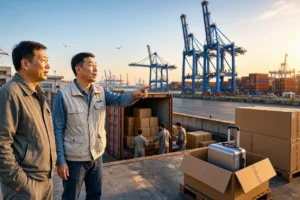


Navigating customs regulations in Brazil, Mexico, or Colombia can be challenging for businesses importing luggage and travel goods. The nuances of importing luggage into these countries1 require meticulous planning to avoid costly delays. Understanding local taxes, preparing accurate documentation, and selecting the right logistics partners are essential for smooth clearance.
To import luggage into Brazil, Mexico, or Colombia without delays, businesses must master tax structures2, ensure flawless documentation, and work with local-savvy logistics providers. This minimizes the risks of customs stops, miscalculated duties, and extended clearance times.
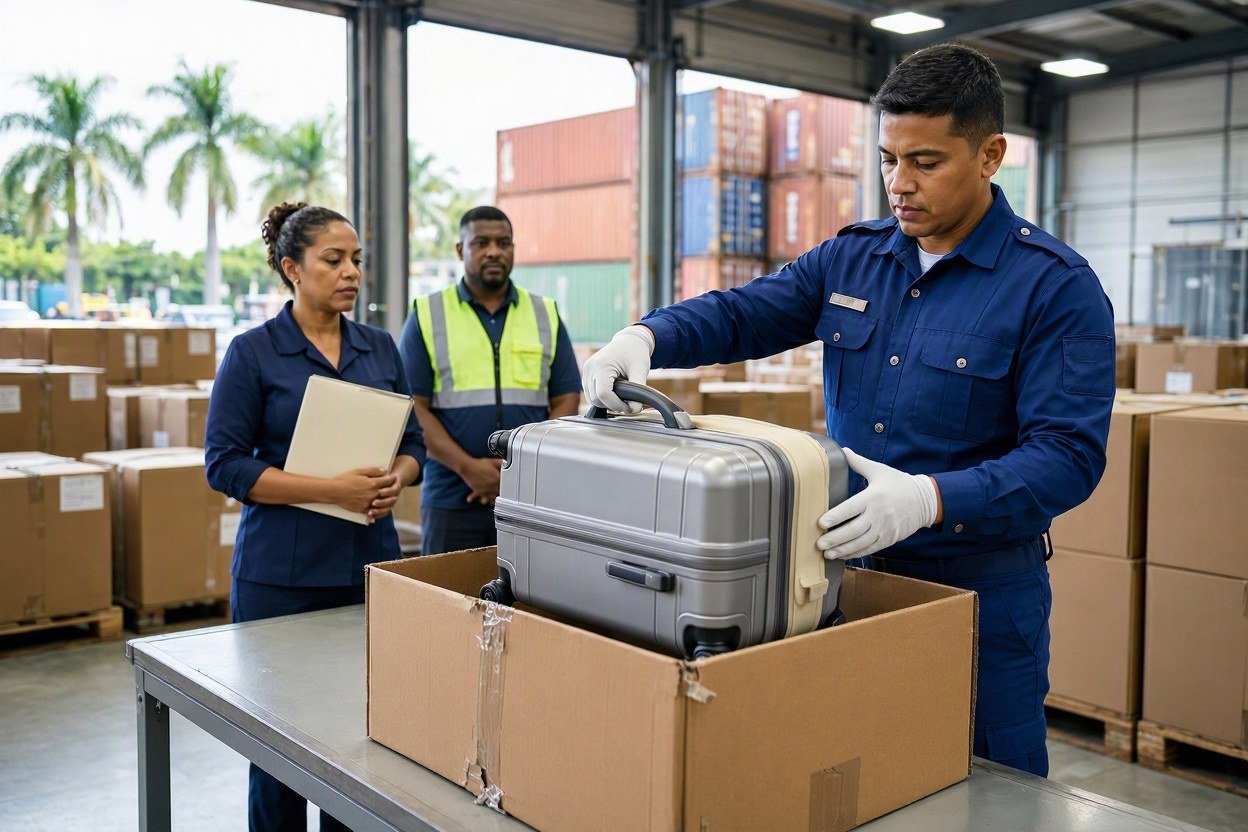
Even seasoned importers encounter hurdles in these markets. What makes Latin America unique? Let’s delve into the specific challenges and solutions for each key country.
How do complex tax systems in Latin America impact importing luggage?
Latin American customs can be daunting due to their intricate tax systems. Businesses often overlook tax variations, leading to unexpected expenses.
Brazil, Mexico, and Colombia each have distinct tax structures that include import duties, VAT, and additional charges. Miscalculating these can inflate costs and delay clearance.
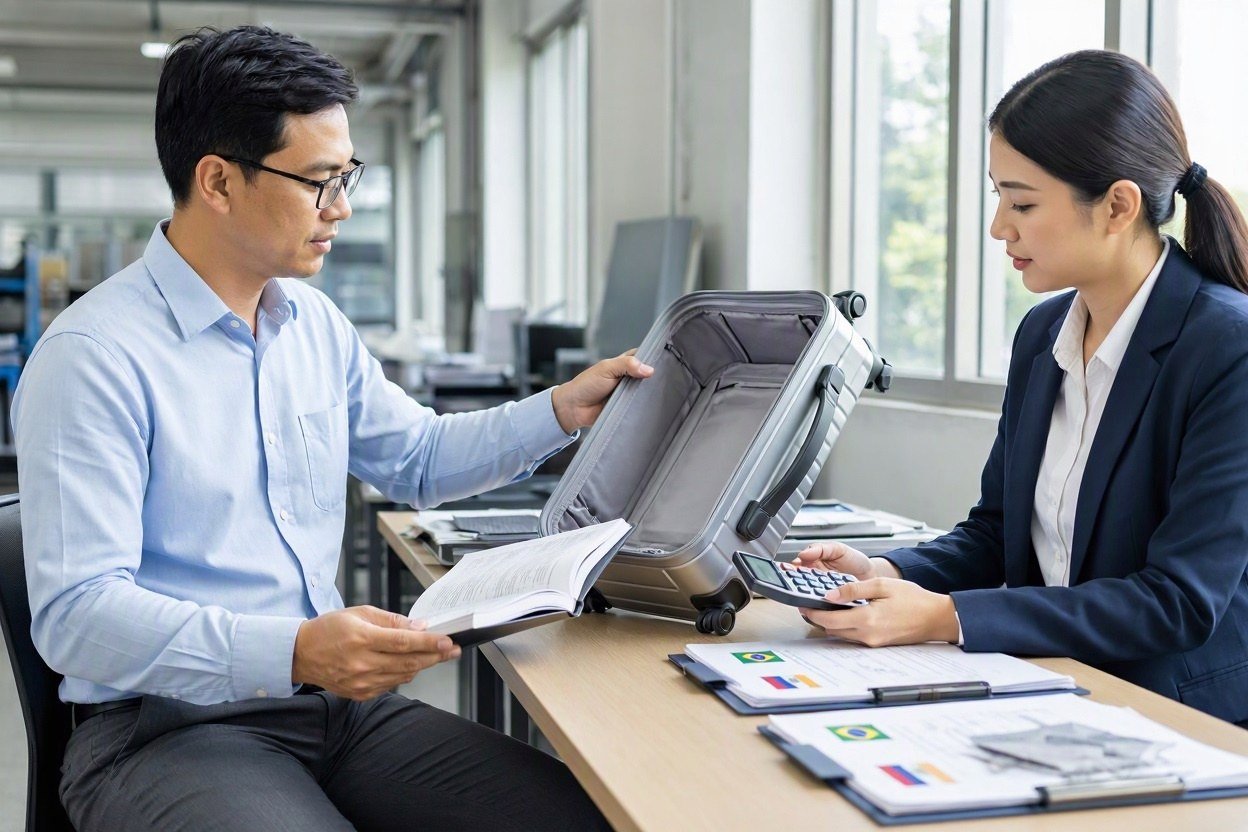
Dive deeper into tax systems for Brazilian, Mexican, and Colombian imports
- Brazil: Brazil has one of the world's most complex tax systems, with federal, state, and municipal levies. Key taxes include Import Tax (II), Industrialized Product Tax (IPI), and a State Tax (ICMS). Importers should account for these taxes as they differ based on product type and destination state.
- Mexico: Mexico applies an import duty based on the product’s tariff classification. Importers must also pay a Value Added Tax (VAT) of 16%, with additional flat import duties for specific products.
- Colombia: Colombia imposes a flat import tariff alongside a VAT (commonly 19%). However, exceptions exist for goods within specific free-trade agreements. Always verify if your exporter country qualifies.
- Classify Harmonized Tariff Codes (HTC): Misclassified codes can trigger fines or customs holds. Hire a customs broker to verify luggage classification.
- Request tax simulation: Work with a logistics partner to estimate taxes before shipment.
- Confirm free-trade agreement benefits: Use trade agreements between your country and the destination to reduce tax burdens.
Why is documentation a primary cause of customs delays?
Poor documentation is a leading cause of customs bottlenecks in Latin America. Importers often underestimate how meticulous the region is regarding original documentation3.
Customs in Brazil, Mexico, and Colombia require detailed paperwork4, including Certificates of Origin, invoices, packing lists, and permits depending on the luggage type. Incomplete or inconsistent documents result in immediate delays.
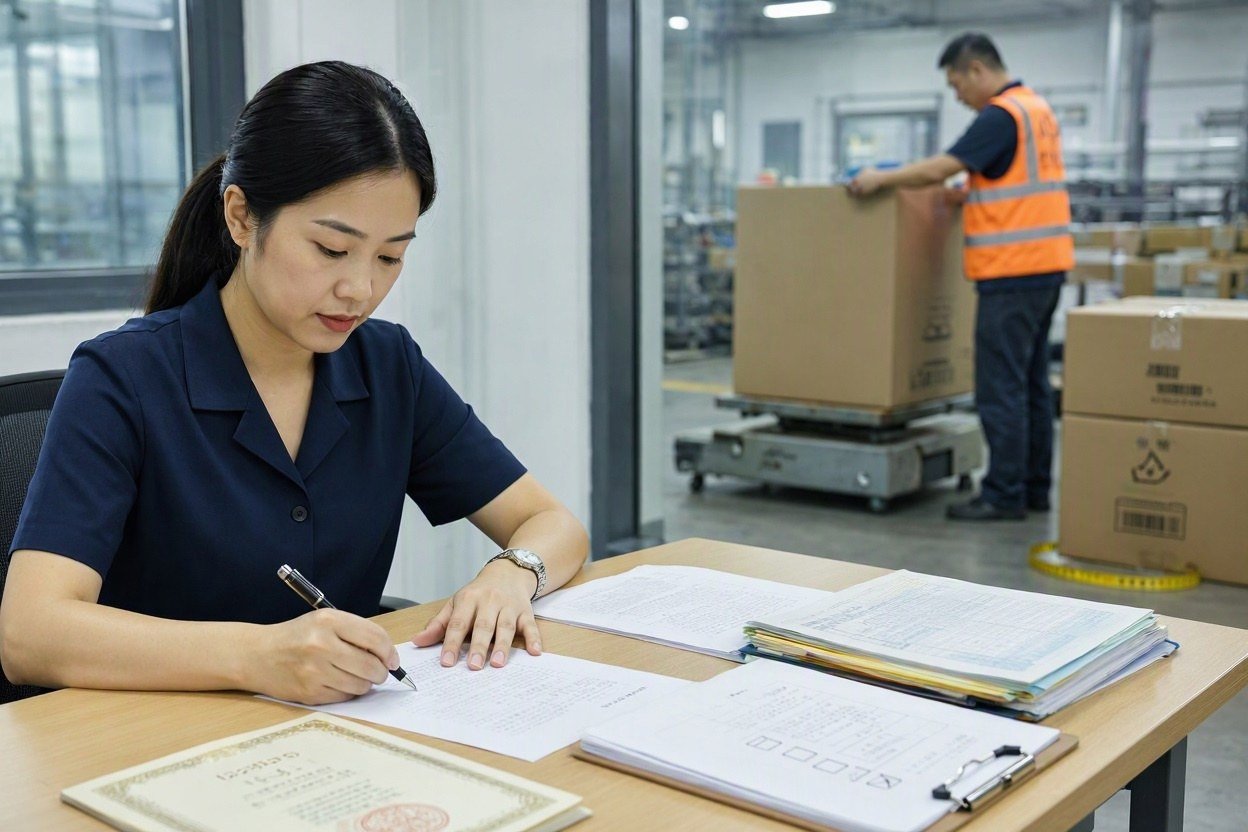
Dive deeper into essential documents for importing into Latin America
Here’s a checklist of must-have documents for importing luggage:
- Commercial Invoice: Ensure it matches all declared values and descriptions.
- Packing List: Clearly list the weight, dimensions, and volume of all goods.
- Certificate of Origin: Required for trade agreement benefits.
- Sanitary Certificates (if applicable): Necessary for products regulated under health or safety standards.
- Bill of Lading or Airway Bill: The shipping line or forwarder must issue this document to prove dispatch.
Tips to prepare robust documentation:
- Partner with compliance experts: A dedicated export documentation team or third-party expert ensures all files meet local requirements.
- Standardize internal processes: Implement a documentation checklist validated by compliance professionals.
- Proactively communicate with consignees: Misalignment between sender and receiver frequently causes issues.
How does choosing the right logistics partner reduce costs and delays?
Not all delays occur because of customs. Local knowledge of fragile political or cultural nuances5 can significantly affect shipment handling.
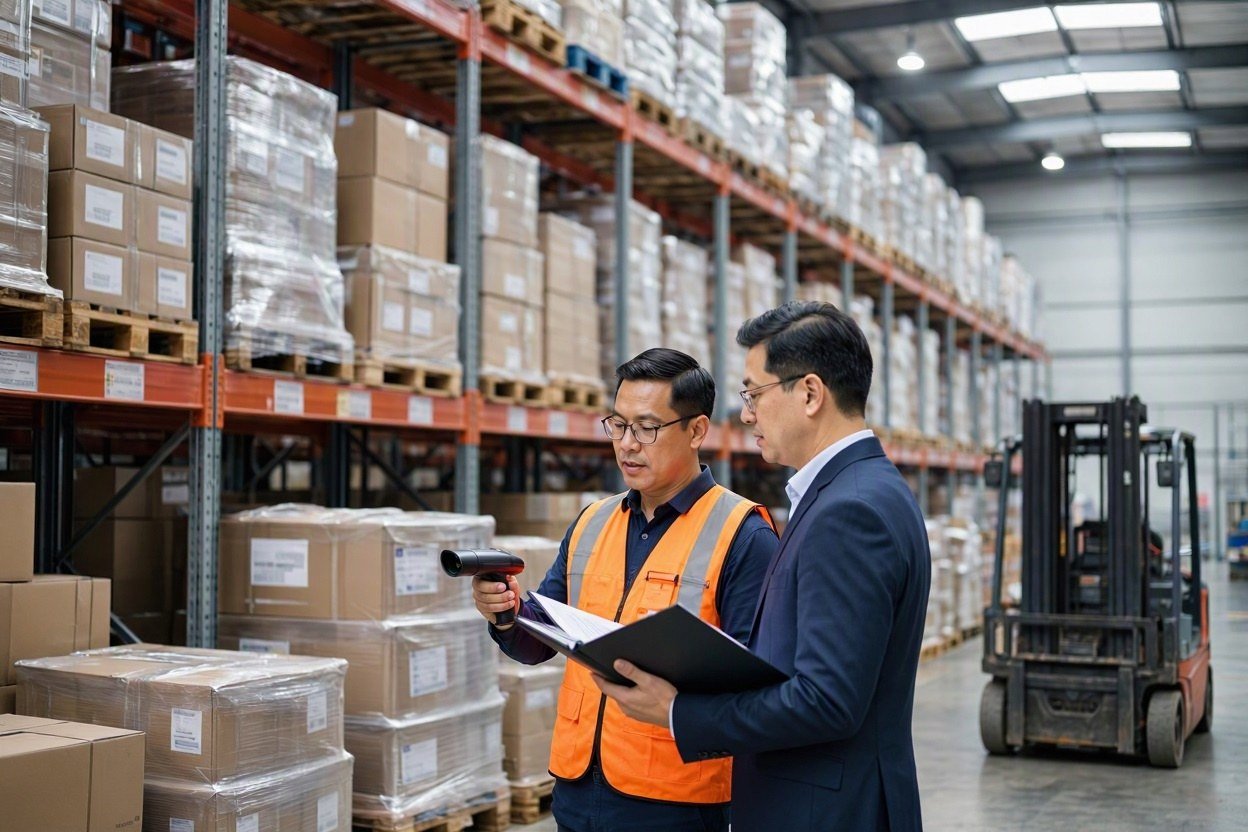
Choose logistics providers with expertise6 in Brazilian, Mexican, and Colombian markets. They can navigate localized regulations, anticipate potential political disruptions, and offer audit-level visibility into your supply chain.
Dive deeper into logistics partnership factors
Few key criteria for selecting the right logistics provider in Latin America:
- Bucket of services: Can they offer storage, last-mile delivery, and customs clearance?
- Local representation: Ensure the provider has a physical presence to handle setbacks like strikes or local customs delays.
- Tracking ability: Verify if they provide real-time updates via user-friendly platforms.
- Experience: Do they have a history of working with luggage or travel goods in the target countries?
Signs of a reliable logistics partner:
- They offer pre-shipment consultations for paperwork review.
- They track political risks (e.g., striking workers in Colombia).
- They absorb minor port fees to simplify your billing cycle.
How do regional cultural aspects influence customs performance?
Latin America’s customs dynamics are not only regulatory but culturally influenced. Awareness of holiday schedules and local work habits can help set realistic expectations.
In Mexico, frequent national holidays slow down logistics timelines7. Meanwhile, Brazil’s reliance on federal and state-level authorities introduces variability. Colombia’s customs may delay non-critical imports during festival months.
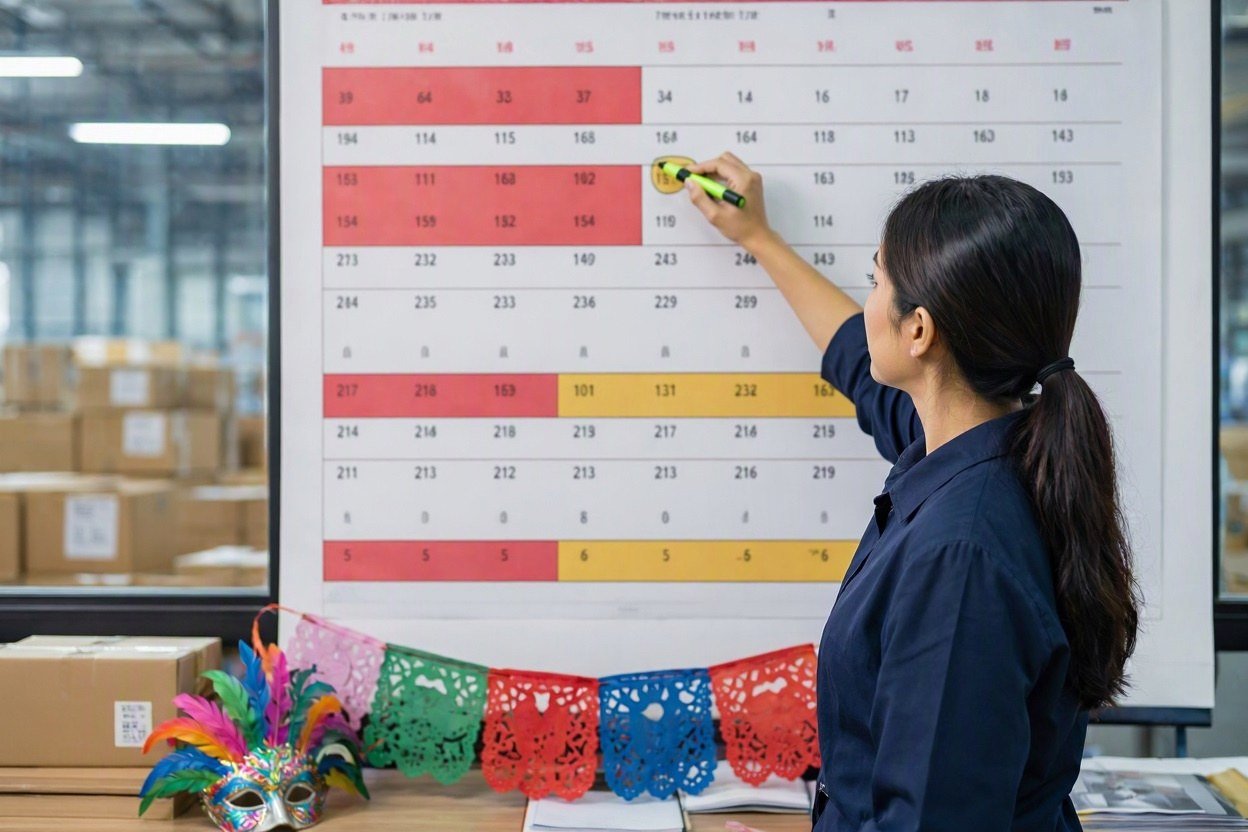
- Map local holidays upfront: Coordinate shipments with grace periods around major events like Brazil’s Carnival or Colombia’s national holidays.
- Buffer unexpected slowdowns: Add one or two business weeks to your shipping timeline.
- Align communication styles: For overly formal cultures, focus on clarity and completeness.
Frequently Asked Questions
What permits do I need to export luggage to Brazil?
In addition to standard invoices and Certificates of Origin, Brazil might require National Health Surveillance Agency (ANVISA) permits for certain materials. Working with customs brokers can clarify specifics.
How can I avoid customs penalties in Mexico?
Use Mexico’s Harmonized System Codes accurately8. Double-check all tax and duty calculations through a licensed customs broker.
Does Colombia impose any unique import restrictions?
Yes, packaging requirements adhere to regulations9 that promote environmental compliance. Confirm your materials meet Colombian-approved standards for recyclability.
How long does typical customs clearance take across these countries?
Brazil: 8–15 days. Mexico: 3–8 days. Colombia: 5–12 days. Add 30% more during holiday seasons.
Should I consolidate shipments or send smaller volumes?
Consolidation benefits larger shipments because taxes and clearance efforts scale. However, smaller, high-frequency shipments can simplify paperwork and reduce single-point risk.
Conclusion
To avoid costly delays when importing luggage into Brazil, Mexico, or Colombia, focus on accurate tax calculations, flawless documentation, and regionally savvy logistics partners. Understanding cultural and regulatory nuances can mean the difference between smooth shipment and disruptive gridlocks. Start by assembling a reliable team — customs brokers, compliance experts, and experienced freight forwarders. A proactive approach ensures your goods reach these vibrant markets without unnecessary setbacks.
Need guidance on your next import? Let us help streamline your operations!
"Brazil - Market Challenges", https://www.trade.gov/country-commercial-guides/brazil-market-challenges. Research indicates that businesses often encounter significant hurdles related to customs regulations when importing goods into Brazil, Mexico, and Colombia, including complex tax structures and documentation requirements. Evidence role: general_support; source type: research. Supports: The source should provide insights into the specific challenges businesses face when importing goods in these countries.. Scope note: The support may not cover all aspects of the claim, focusing instead on specific regulatory challenges. ↩
"VAT Digital Toolkit for Latin America and the Caribbean", https://thedocs.worldbank.org/en/doc/cb5727bccb6750ae33da1945f3886ac0-0090072021/related/vat-digital-toolkit-for-latin-america-and-the-caribbean.pdf. Government reports outline the distinct tax structures for imports in Brazil, Mexico, and Colombia, highlighting the various duties and VAT applicable to different goods. Evidence role: general_support; source type: government. Supports: The source should detail the specific tax structures and rates applicable to imports in Brazil, Mexico, and Colombia.. Scope note: The information may be subject to change and should be verified for the most current rates and regulations. ↩
"Customs modernization initiatives: case studies (English)", https://documents.worldbank.org/en/publication/documents-reports/documentdetail/147111468779373654. Research findings indicate that inadequate documentation is a significant factor contributing to customs delays in Latin America, particularly in Brazil, Mexico, and Colombia. Evidence role: general_support; source type: paper. Supports: The source should analyze the relationship between documentation quality and customs delays in Latin America.. Scope note: The findings may not encompass all regions or types of imports, focusing instead on specific case studies. ↩
"Colombia - Import Requirements and Documentation", https://www.trade.gov/country-commercial-guides/colombia-import-requirements-and-documentation. Educational resources emphasize the necessity of comprehensive documentation, including Certificates of Origin and packing lists, to facilitate smooth customs clearance in Brazil, Mexico, and Colombia. Evidence role: general_support; source type: education. Supports: The source should provide an overview of the required documentation for customs clearance in these countries.. Scope note: The support may focus on general documentation requirements and not address specific cases or exceptions. ↩
"Latino Culture | National Museum of the American Latino", https://latino.si.edu/learn/latino-history-and-culture/latino-culture. Research indicates that cultural aspects, such as holiday schedules and work habits, significantly influence customs performance and timelines in Latin America. Evidence role: general_support; source type: research. Supports: The source should explore the influence of cultural factors on customs operations in Latin America.. Scope note: The findings may not apply uniformly across all regions or cultural contexts. ↩
"What is Customs Logistics? Meaning, Process & Benefits", https://axell-group.com/en/knowledge-base/what-is-customs-logistics/. Institutional studies highlight the advantages of partnering with logistics providers who possess local market knowledge, which can significantly enhance the efficiency of customs clearance in Brazil, Mexico, and Colombia. Evidence role: general_support; source type: institution. Supports: The source should provide insights into how logistics expertise can improve customs processes and reduce delays.. Scope note: The support may focus on general trends and not provide specific case examples. ↩
"Supply Chain Crisis Persists as Holiday Season Approaches", https://pe.gatech.edu/blog/industry-trends/supply-chain-crisis-holiday-season-approaches. Government reports indicate that national holidays in Mexico can lead to significant delays in logistics timelines, impacting customs clearance and overall supply chain efficiency. Evidence role: general_support; source type: government. Supports: The source should provide data on how national holidays affect logistics and customs processes in Mexico.. Scope note: The data may vary by region and specific holiday, requiring careful interpretation. ↩
"Mexico Harmonized System (HS) Changes", https://www.trade.gov/market-intelligence/mexico-harmonized-system-hs-changes. Research indicates that accurate use of Harmonized System Codes is critical for compliance with customs regulations in Mexico, as misclassification can lead to significant penalties. Evidence role: general_support; source type: research. Supports: The source should provide insights into the role of Harmonized System Codes in customs compliance and penalties in Mexico.. Scope note: The findings may not cover all types of goods or scenarios, focusing instead on specific case studies. ↩
"Colombia - Import Requirements and Documentation", https://www.trade.gov/country-commercial-guides/colombia-import-requirements-and-documentation. Government regulations outline specific packaging requirements for imports into Colombia, emphasizing adherence to environmental compliance standards. Evidence role: general_support; source type: government. Supports: The source should detail the environmental compliance regulations related to packaging for imports in Colombia.. Scope note: The information may vary based on product type and should be verified for specific cases. ↩